Understanding Corticosteroids: Uses, Benefits, and Side Effects
TABLE OF CONTENTS

Steroids, often associated with bodybuilding and athletic performance, play diverse roles in healthcare and fitness. This article explores three principal types of steroids: anabolic, corticosteroids, and androgenic steroids. Each serves unique purposes, from medical treatments to muscle enhancement.
Anabolic Steroids
Anabolic steroids are synthetic variations of the male sex hormone testosterone. They are primarily used to stimulate muscle growth and increase strength. Popular among athletes and bodybuilders, anabolic steroids are employed to enhance physical performance and aesthetics. However, misuse can lead to severe health issues, including liver damage, heart problems, and behavioral changes. Despite their effectiveness in muscle development, they must be used responsibly and preferably under medical supervision to mitigate risks.
Corticosteroids
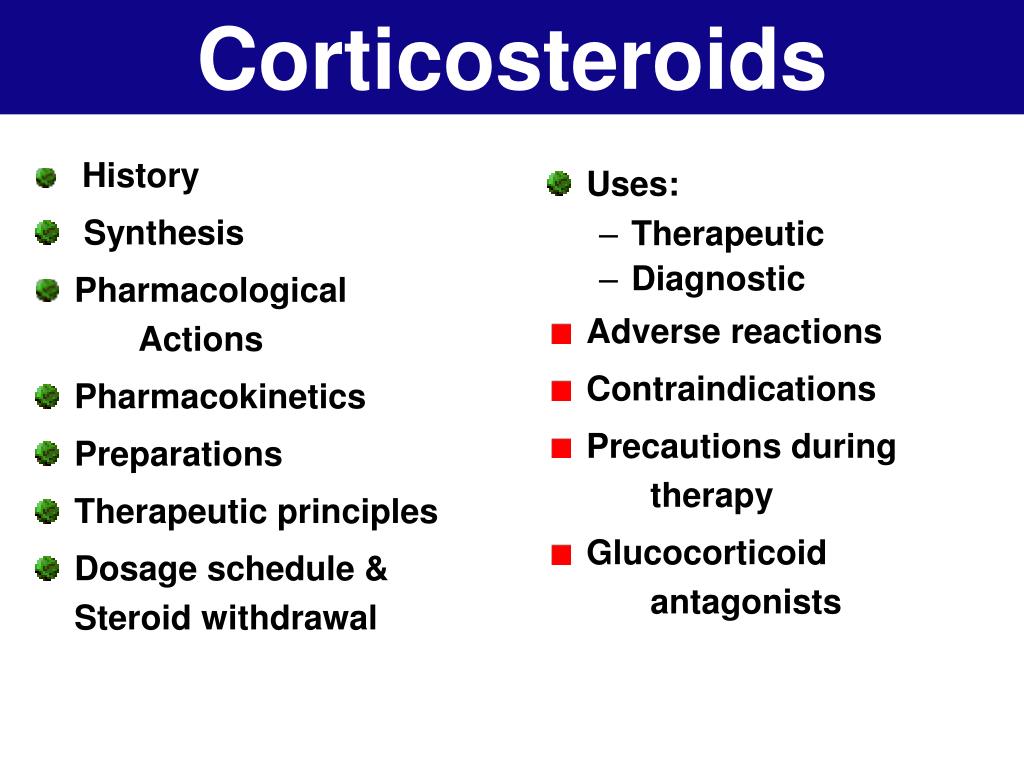
Corticosteroids are a different class of steroids used mainly for their anti-inflammatory properties. Unlike anabolic steroids, corticosteroids are typically prescribed to treat conditions such as asthma, arthritis, and autoimmune diseases. They work by suppressing the immune system, reducing inflammation, and alleviating symptoms like swelling and pain. While they are effective for short-term relief, prolonged use can result in side effects like weight gain, high blood pressure, and increased susceptibility to infections. Physicians often recommend tapering off corticosteroids gradually rather than stopping abruptly to avoid withdrawal symptoms.
Androgenic Steroids
Androgenic steroids focus on developing male characteristics, contributing to features such as facial hair and a deeper voice. While they also contain anabolic properties, their primary function is related to the development and maintenance of male secondary sexual characteristics. Prescribed for medical conditions like delayed puberty or testosterone deficiency, they support proper reproductive system development. Users should consult healthcare professionals to avoid unwanted side effects like mood swings, infertility, or hormonal imbalances.
Conclusion
Each type of steroid—anabolic, corticosteroids, and androgenic—serves significant medical or physiological roles. While they can offer therapeutic benefits, misuse or prolonged use without medical guidance can lead to serious health risks. Understanding their differences and appropriateness for specific conditions is essential for maximizing benefits while minimizing potential harms.
FAQs
Q1: Can anabolic steroids be used safely?
A1: Yes, but only under the supervision of a healthcare professional to minimize risks associated with their use.
Q2: Are corticosteroids addictive?
A2: Corticosteroids are not addictive, but they do require careful management to prevent dependency and withdrawal symptoms.
Q3: How do androgenic steroids differ from anabolic steroids?
A3: Androgenic steroids primarily enhance male characteristics, while anabolic steroids primarily enhance muscle growth and strength.
Q4: Can corticosteroids cause permanent damage?
A4: Prolonged use can lead to long-term side effects, but under medical guidance, the risks can be managed effectively.
Q5: What are natural alternatives to anabolic steroids?
A5: Protein supplements, a balanced diet, and consistent exercise regimes are safer alternatives to enhance muscle growth naturally.
FREE SHIPPING
HOT PROMOTIONS!
BIG SALE | FAST SHIPPING


Beligas BelTropin HGH 100iu 10iu x 10 vials

Original price was: $ 414.00.$ 259.00Current price is: $ 259.00.

AXIOM TESTOSTERONE ENANTHATE 300MG 10ML
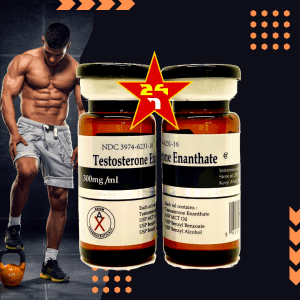
Original price was: $ 119.00.$ 99.00Current price is: $ 99.00.


Hgh 100IU - Human Growth Hormone - Fierce Pharmaceuticals

Original price was: $ 299.00.$ 239.00Current price is: $ 239.00.
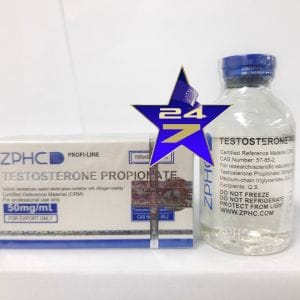
Beligas Propha Testosterone 10 vials x 1ml (Propionate) 100mg

Original price was: $ 79.00.$ 69.00Current price is: $ 69.00.
SUSTANON 300MG BLEND AXIOM 10ML
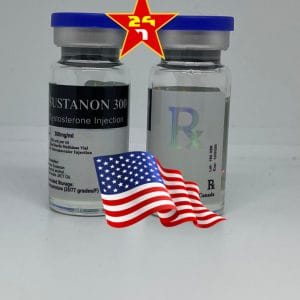
Original price was: $ 118.00.$ 99.00Current price is: $ 99.00.




Remember, balance is key in every fitness journey, and proper guidance can lead to healthier, sustainable outcomes. #fitspo #fitnessaddict #abs #running #yoga #nutrition #instagram #goals #gains #diet #wellness #weightlifting #fitlife #follow #bodybuilder #stayfit #bodybuilding #life #fitnessgirl #getfit #boxing #run #fashion #powerlifting #inspiration #weightlossjourney #like #nopainnogain #photooftheday #body #bhfyp #gymtime
Steroids are organic compounds that come in several types, each with distinct functions and applications. The first type is anabolic-androgenic steroids (AAS), which are synthetic derivatives of testosterone. They are primarily used to promote muscle growth and enhance athletic performance, though they are often abused in sports and bodybuilding, leading to potential health risks such as liver damage and hormonal imbalances. The second type is corticosteroids, which are anti-inflammatory medications used to treat a variety of medical conditions, including asthma, arthritis, and autoimmune diseases. Unlike anabolic steroids, corticosteroids help to reduce inflammation and suppress the immune system but can cause side effects like osteoporosis and weight gain if used long-term. The third type, estrogenic steroids, involves hormones like estradiol and are crucial in regulating female reproductive systems, managing menstrual cycles, and supporting pregnancy. Estrogenic steroids are often employed in hormone replacement therapies for menopausal symptoms but can also have side effects, such as increased risk of blood clots and breast cancer. Each type of steroid serves important roles in medicine and biology, though they must be used with care due to their potent effects on the body.