
Understanding FUPA: What It Is and Why It Matters
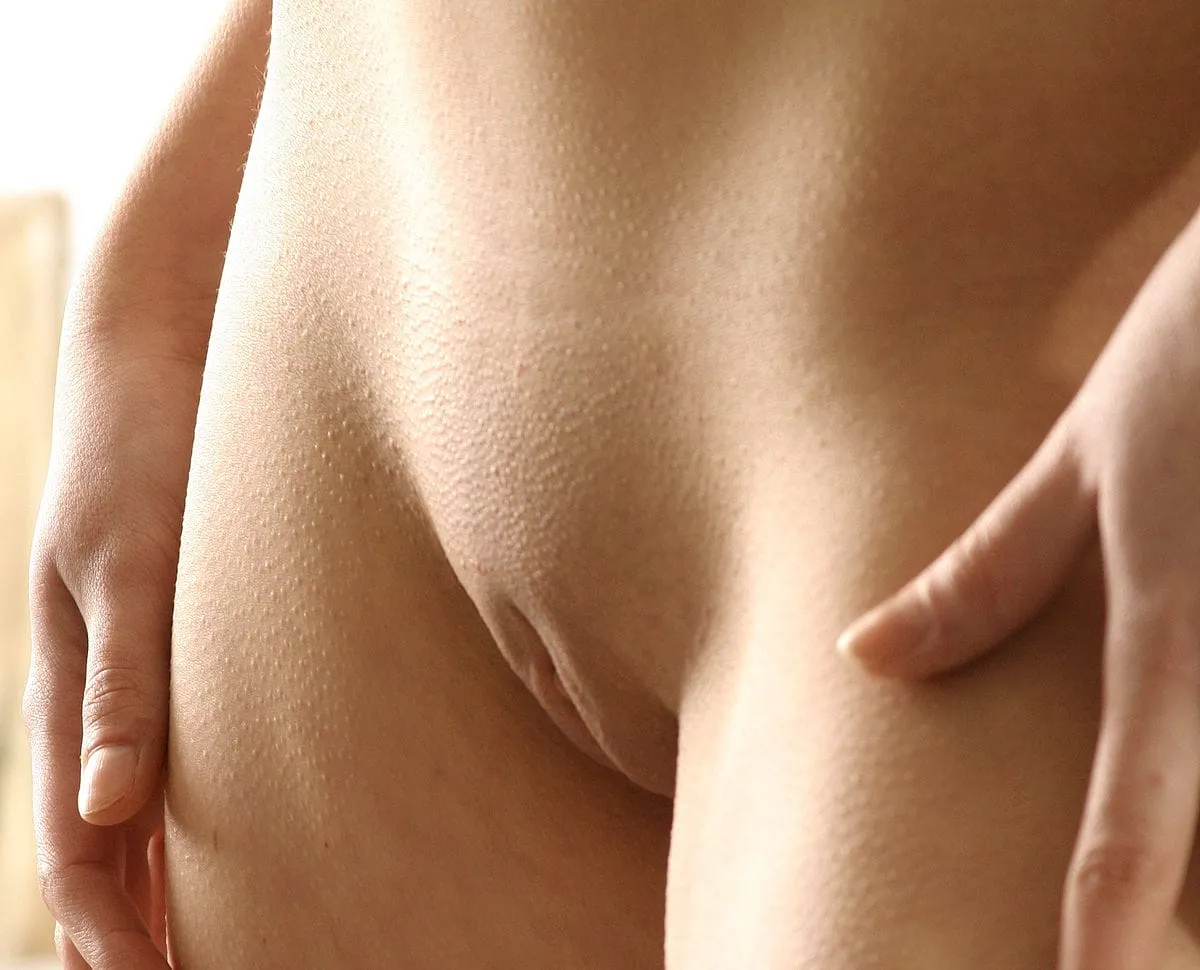
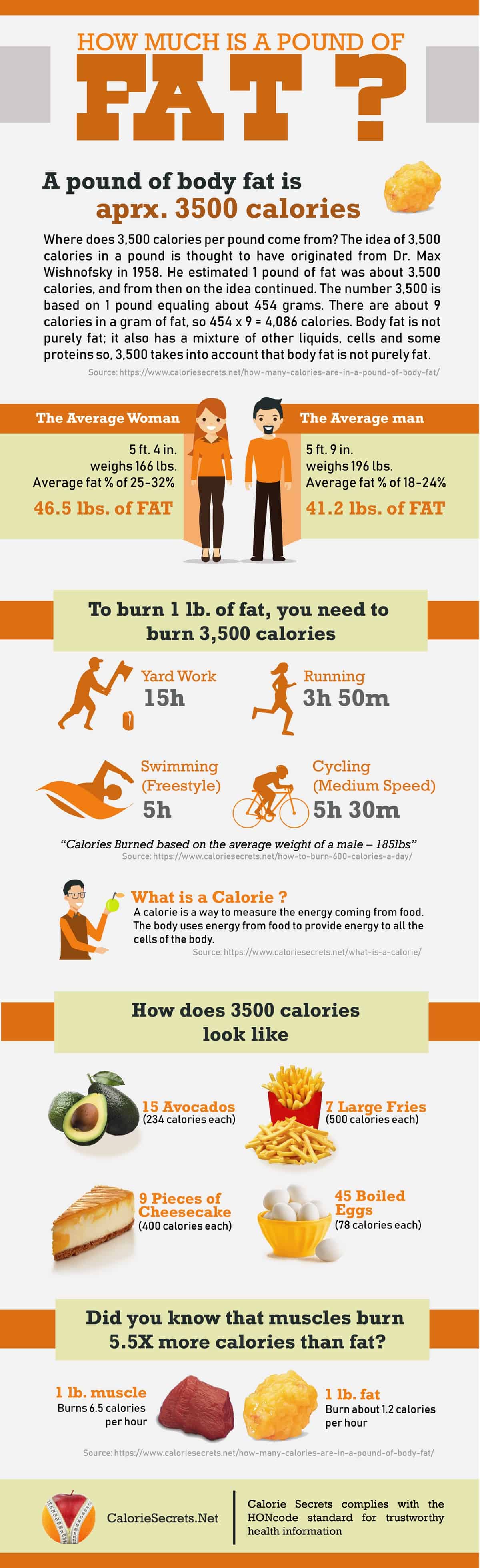
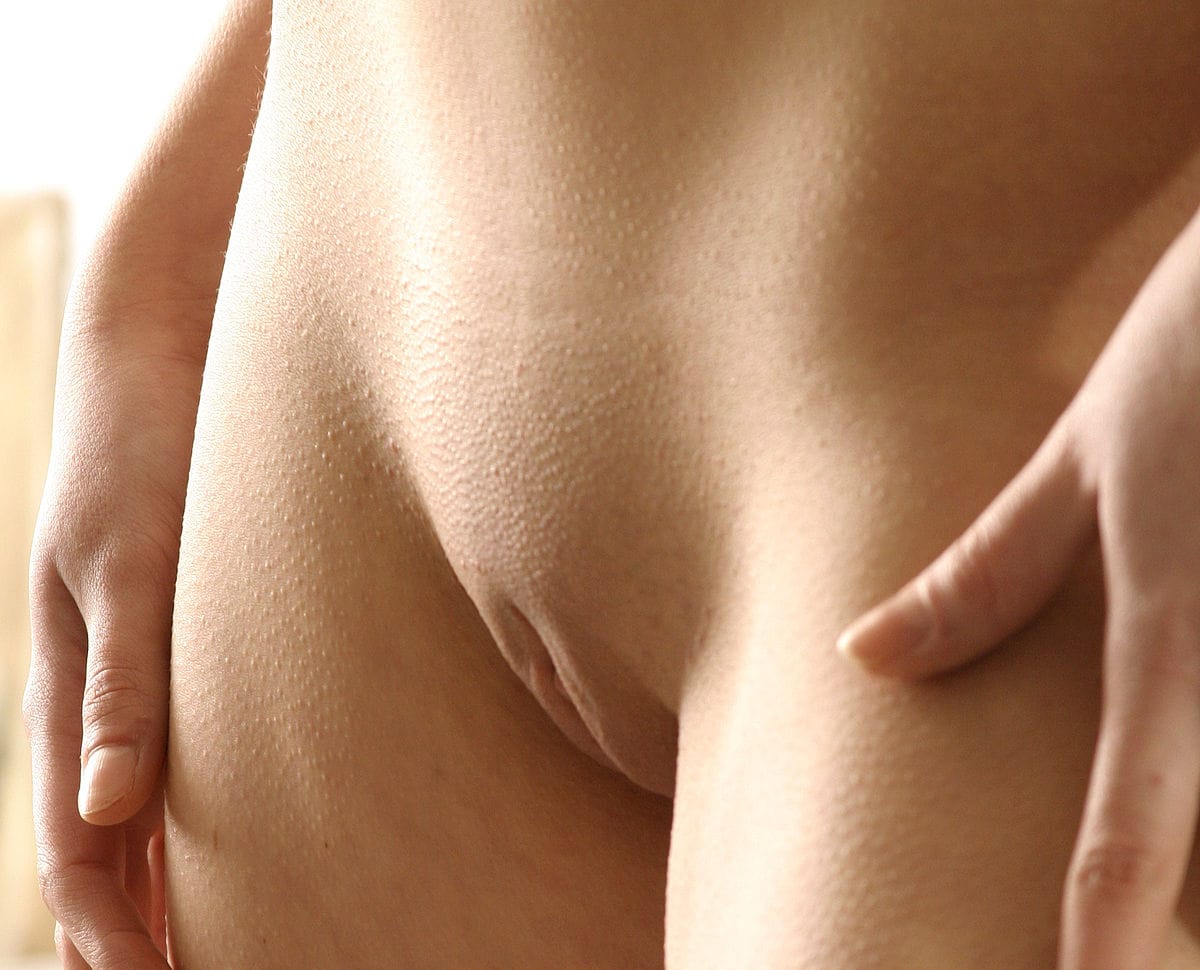
FUPA, an acronym that stands for Fat Upper Pubic Area, is a colloquial term often used to describe excess fat or tissue in the region located just below the lower abdominal area and above the pubic bone. This term has recently gained popularity in social media and pop culture, often discussed in the context of body positivity and self-acceptance. Despite its comedic undertones, it holds significance due to the implications it carries for body image and health.
The Many Faces of the FUPA
The definition of FUPA can vary depending on individual interpretation, but at its core, it represents a common area of concern for both men and women. This region, the lower part of the abdomen, can accumulate fat due to a variety of factors, including genetics, aging, weight fluctuations, pregnancy, and lifestyle habits. It’s crucial to understand that having a FUPA isn’t inherently unhealthy, yet its prominence can affect self-esteem and body confidence.

Addressing Health and Aesthetics
For some, the appearance of a FUPA might prompt considerations of fitness and diet modifications. For others, it becomes an accepted and natural part of their body. Engaging in regular exercise, specifically targeting the core and pelvic region, can help tone muscles and might lessen the prominence of this area. A balanced diet plays an equally important role. However, it’s worth noting that spot reduction, the idea of losing weight from a targeted area, is largely a myth. Overall weight loss from a wholesome lifestyle will eventually have an effect on all areas of the body, including the lower abdomen.
Positive Body Image and Acceptance
In the larger conversation about body image, FUPA is frequently mentioned to break the stigma associated with body imperfections. Popular figures and celebrities have begun embracing their bodies fully, calling attention to areas like the FUPA to promote self-love and acceptance. By shifting focus from supposed “flaws” to the importance of holistic health and mental well-being, the discourse around FUPA contributes to a more body-positive world.
Beyond the Surface
Understanding FUPA goes beyond its physiological definition. It’s tied to cultural perceptions of beauty, identity, and self-worth. External resource one offers insights into health aspects, whereas external resource two delves into fitness tips for those interested in altering their appearance.
The evolution of the discussion surrounding FUPA reflects changing attitudes toward embracing diversity in body shapes and sizes. This shift helps challenge outdated beauty standards and encourages individuals to define their own sense of self-worth beyond physical attributes.
Conclusion
In conclusion, the term FUPA transcends its literal definition, serving as a springboard for conversations around health, body positivity, and societal standards of beauty. Recognizing the influence of factors like genetics and lifestyle can provide a broader understanding of its causes and effects. Embracing diversity and reinforcing the idea that beauty is inclusive can foster acceptance and appreciation of oneself.
FAQs
What causes a FUPA?
FUPA can develop due to factors like genetics, the aging process, weight fluctuations, pregnancy, or an inactive lifestyle.
Can exercise reduce FUPA?
Exercise, particularly core-strengthening movements, in conjunction with a balanced diet, can help to tone the area, although spot reduction is not possible.
Is having a FUPA unhealthy?
Having a FUPA itself is not inherently unhealthy, but maintaining a healthy lifestyle is crucial for overall well-being.
Is FUPA common?
Yes, having a FUPA is common and can affect anyone, regardless of gender or size, making it a normal aspect of the human body.
BIG SALE | FAST SHIPPING
HOT PROMOTIONS!
CLOMIPHENE TABLETS 50mg 50 TABLETS FIERCE

Original price was: $ 99.00.$ 89.00Current price is: $ 89.00.

Fierce nandrolone decanoate 300 / ml 10ml

Original price was: $ 131.00.$ 119.00Current price is: $ 119.00.
STADA MEGA CUTS BLEND 300 MG 10ML (TRENBOLONE)

Original price was: $ 129.00.$ 119.00Current price is: $ 119.00.

ZPHC Clomid Clomiphene 25mg/tablet | 100 Tablets Total: 2500mg

Original price was: $ 159.00.$ 65.00Current price is: $ 65.00.


FUPA is an acronym that stands for “Fat Upper Pubic Area” or “Fat Upper Pelvic Area.” It refers to the excess fat and skin that can accumulate in the lower abdomen region, above the pubic bone. This condition is often a result of weight gain, aging, genetics, or as a residual effect of pregnancy or surgery. The presence of a FUPA can be a source of self-consciousness for some individuals due to its impact on body contours and appearance. Various methods, including diet, exercise, and surgical procedures like a panniculectomy or liposuction, are commonly sought to reduce or eliminate a FUPA. Despite its potentially negative connotations, discussions around FUPA are increasingly becoming part of the wider body positivity movement, encouraging acceptance and comfort in one’s natural body shape.