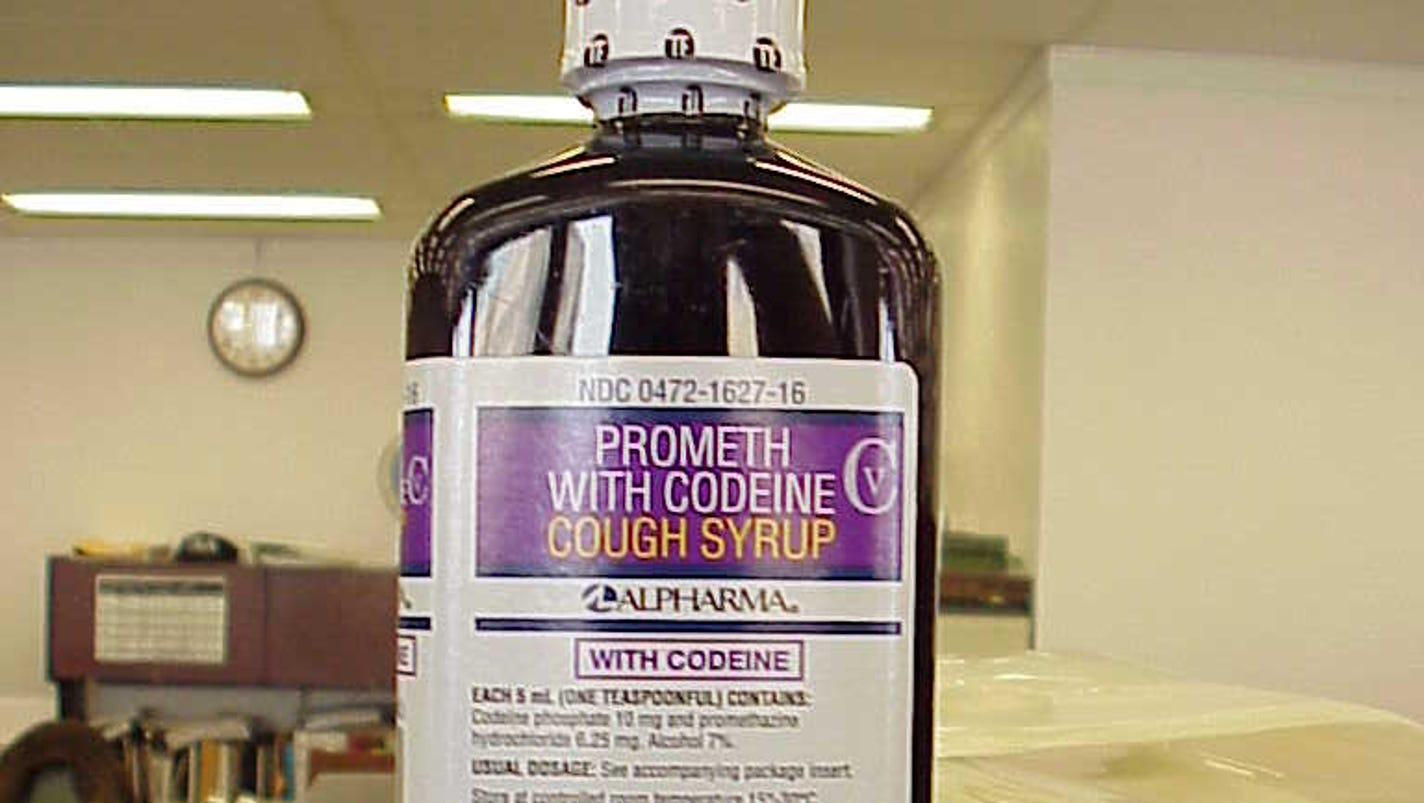
Understanding Guaifenesin and Codeine
TABLE OF CONTENTS

In the world of pharmaceuticals, there are various medications available to alleviate symptoms of colds and flu. Among them, guaifenesin and codeine are two prominent substances often discussed for their efficacy in treating coughs and congestion. Let’s explore these two compounds, their benefits, and the precautions that should be taken while using them.
What is Guaifenesin?
Guaifenesin is an expectorant, a type of medication that helps to thin mucus, making it easier to cough up from the respiratory tract. It is commonly used in over-the-counter (OTC) medications aimed at treating chest congestion and related symptoms. By reducing the viscosity of mucus, guaifenesin enables clearer airways, facilitating easier breathing.
Guaifenesin is generally considered safe when used as directed. It is widely available in various forms, such as syrups, tablets, and dissolvable powders. While side effects are rare, some individuals may experience nausea, dizziness, or an allergic reaction. As always, it’s crucial to use guaifenesin only as advised by a healthcare professional.
What is Codeine?
Codeine is an opioid analgesic and cough suppressant, often prescribed to relieve moderate to severe pain and cough. It works by affecting the brain’s perception of pain and altering the activity that triggers coughing. When used responsibly, codeine is effective in providing relief from persistent coughs, especially those that disrupt sleep or daily activities.
However, codeine carries significant risks due to its potential for addiction and overdose. Side effects may include drowsiness, constipation, and nausea. Due to these risks, codeine is typically prescribed only when other cough treatments have proven inadequate. It is essential to follow the prescription guidelines and consult with a healthcare provider before taking codeine.
Combining Guaifenesin and Codeine
Certain medications combine guaifenesin and codeine to capitalize on their complementary benefits: easing cough while clearing mucus. This combination can be effective in managing symptoms more comprehensively. However, it is vital to avoid using such combination medications more than once as advised by a medical professional.
Overuse or misuse can lead to dependency or adverse reactions. As both substances impact the respiratory system, caution is required to prevent complications, especially in individuals with pre-existing health concerns.
Conclusion
In conclusion, guaifenesin and codeine serve distinct yet interconnected roles in managing respiratory symptoms. While guaifenesin helps in clearing mucus, codeine acts to suppress cough. Understanding their proper use is crucial to ensure effectiveness and safety. Always consult a healthcare provider before incorporating these medications into your routine, particularly when they are combined.
FAQs
What should I do if I miss a dose?
If you miss a dose of a medication containing guaifenesin and codeine, take it as soon as you remember, unless it is almost time for your next dose. In such a case, skip the missed dose and continue with your regular schedule. Do not double the dose to catch up.
Can I consume alcohol while taking these medications?
No, it is not recommended to consume alcohol while taking medications containing guaifenesin and codeine. Alcohol can enhance the sedative effects of codeine, potentially leading to dangerous side effects. Always strive to adhere to professional medical advice.
Are there any alternatives?
Yes, there are alternative medications and therapies that can be used to manage cough and mucus. Always consult with a healthcare professional to explore the best options suitable for your condition.
For more information, you can visit MedlinePlus or Mayo Clinic.
BIG SALE | FAST SHIPPING
HOT PROMOTIONS!



CYT 3 6MG | T3 | Yohimbe | Clen | Weight Loss Blend | 100 Tablets Total Kit 600mg

$ 69.00


Guaifenesin and codeine are commonly combined in medications to address coughs and respiratory congestion associated with colds or the flu. Guaifenesin is an expectorant that helps loosen and thin mucus in the airways, making it easier to cough up and clear out of the respiratory tract. Codeine, on the other hand, is a narcotic cough suppressant that acts on the brain to reduce the urge to cough, providing relief and helping patients rest. This combination leverages the benefits of both components, addressing the dual need to alleviate cough while also managing mucus production. However, it is important to use such medications as directed due to potential risks associated with codeine, including drowsiness, dizziness, and the possibility of dependence or abuse. As such, these medications are typically prescribed with caution, particularly in pediatric and geriatric populations, and under strict medical guidance.