Understanding Methyltestosterone: Benefits, Risks, and Uses
TABLE OF CONTENTS

Methyltestosterone is a man-made form of testosterone, a crucial hormone in the body that plays a vital role in the development of male reproductive tissues and secondary sexual characteristics. It is used in various treatments related to hormone deficiencies and certain medical conditions. However, like any medication, it comes with its unique set of benefits and potential risks.
Methyltestosterone Uses and Benefits
This hormone replacement therapy is primarily prescribed to males suffering from hypogonadism, a condition where the body doesn’t produce sufficient testosterone. It helps restore normal levels, ensuring proper physiological development. Additionally, it may be used in specific female patients to treat breast cancer that has spread to other parts of the body. Its swift impact on hormonal balances makes it a valuable tool in targeted therapy for particular conditions.
How to Take Methyltestosterone Safely
When prescribed methyltestosterone, following the healthcare provider’s usage instructions is key. It’s typically administered orally, with or without food. Adhering to the prescribed dosage minimizes the risk of side effects, which can include nausea, headaches, or changes in libido among others. Regular monitoring and communication with the healthcare provider ensure that any adverse effects are promptly addressed.
Potential Side Effects of Methyltestosterone
While effectively treating hormone deficiencies, methyltestosterone can have certain side effects ranging from mild to severe. Commonly observed issues include acne, increased hair growth, and voice changes. However, more serious side effects could entail liver issues, heightened blood pressure, or abnormal blood lipid levels. It is imperative that patients report any side effects to their healthcare provider to adjust treatment as needed.
Conclusion
Methyltestosterone serves as a significant aid for individuals requiring hormonal therapy. When used correctly and under medical supervision, it can effectively manage conditions associated with testosterone deficiencies or hormone-responsive cancers. Patients should maintain open communication with healthcare providers to optimize treatment outcomes and mitigate potential health risks.
FAQs on Methyltestosterone
What conditions are treated with Methyltestosterone?
It is primarily used for treating testosterone deficiencies in males and certain forms of breast cancer in females. Always consult a physician to understand its specific applications.
Are there any serious side effects?
While mild side effects are common, serious issues could include liver problems, increased blood pressure, and changes in cholesterol levels. Promptly report any concerning symptoms to a healthcare provider.
Can women use Methyltestosterone?
In certain cases, especially for treating specific types of breast cancer, women might be prescribed the hormone. However, close medical supervision is essential.
BIG SALE | FAST SHIPPING
HOT PROMOTIONS!
FIERCE CLOMID 50MG 50CAPS
Original price was: $ 129.00.$ 119.00Current price is: $ 119.00.



ZPHC UltraMix 10ml MultiUse Vial 1ml = 250mg

Original price was: $ 255.00.$ 179.00Current price is: $ 179.00.

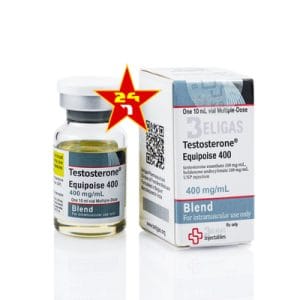
Methyltestosterone is a synthetic anabolic steroid that essentially mimics the biological effects of the natural hormone testosterone. It is often prescribed to address conditions associated with a lack of endogenous testosterone, such as hypogonadism in men, certain types of breast cancer in women, and sometimes to encourage puberty in boys with delayed puberty. As a potent androgenic agent, methyltestosterone works by binding to androgen receptors and promoting protein synthesis, resulting in the development of male secondary sexual characteristics and increased muscle mass. However, its use is accompanied by a risk of side effects, which can include liver toxicity, cardiovascular issues, and behavioral changes, necessitating careful medical supervision. Because of its performance-enhancing effects, methyltestosterone is also commonly abused in sports, leading it to be classified as a controlled substance in many countries.