

Understanding METs: How to Gauge Your Exercise Intensity

Metabolic equivalent, often abbreviated as MET, is a crucial concept in the realm of health and fitness. It serves as a means to measure the amount of energy expended during various physical activities. Originating from the field of exercise physiology, this indicator supports individuals and professionals alike in designing fitness plans, comparing activities, and analyzing the effectiveness of physical workouts.
What is Metabolic Equivalent?
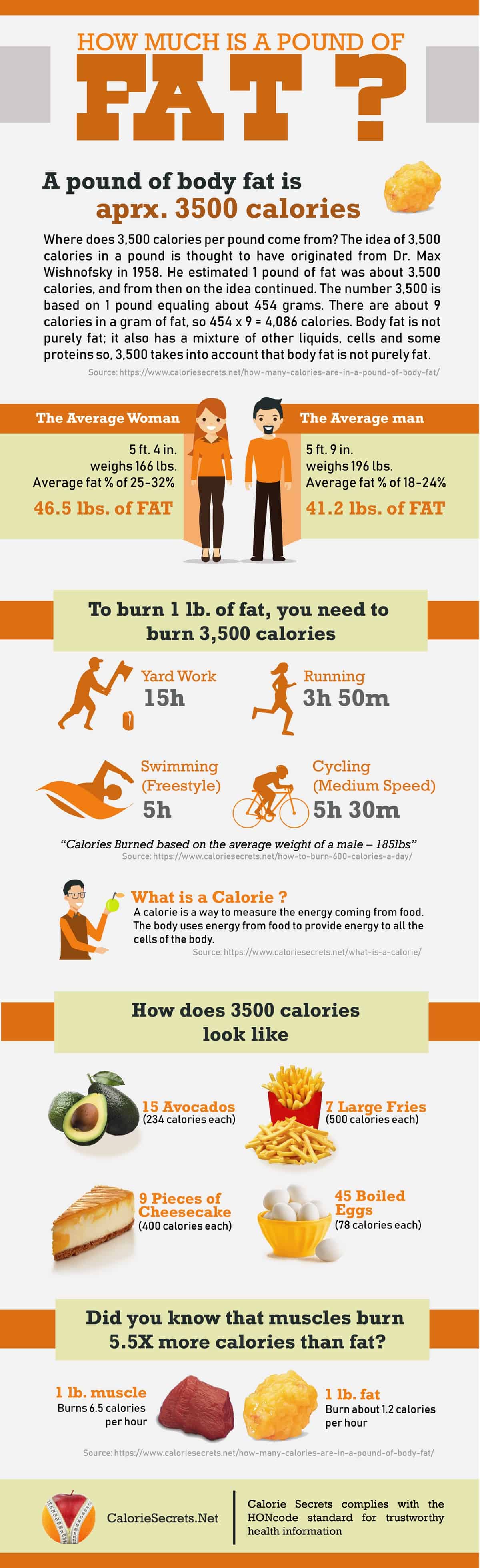
The term metabolic equivalent pertains to a scale that quantifies energy expenditure. One MET is defined as the energy taken to sit still, which is approximately 3.5 milliliters of oxygen per kilogram of body weight per minute. Essentially, it’s a baseline measurement of oxygen consumption, representing the energy cost of resting quietly.
Significance in Fitness and Health
MET values provide vital insights into the intensity levels of diverse physical activities. For instance, low-intensity activities such as walking at a slow pace might have a value of around 2 METs, indicating they require twice the energy as resting. On the other hand, activities like running might boast a high rating of 8 METs or more, reflecting their substantial energy demands.
Understanding MET scores enables individuals to design personalized exercise regimens that are both effective and safe. Additionally, the Centers for Disease Control and Prevention (CDC) and American Heart Association (AHA) recommend adults engage in physical activities accumulating approximately 500-1000 MET minutes per week. By tracking these metrics, individuals can efficiently monitor their progress toward achieving health goals.
Calculating Exercise Intensity
To calculate the caloric expenditure associated with physical activities, MET values can be profoundly useful. Here’s a basic method for this calculation:
Calories burned per minute = (MET value) x (weight in kg) x (3.5) ÷ 200
This formula provides an estimation of calories burned, aiding in activity selection based on personal fitness objectives, be it weight management or performance enhancement.
Diverse Applications of MET
- Clinical Rehabilitation: Clinicians may use MET levels to tailor physical therapy and rehabilitation programs, ensuring safe progression through various stages of recovery.
- Athletic Training: Athletes can benefit by aligning their workouts with MET scores to optimize their training intensity and improve performance levels.
- Weight Management: Those aiming for weight loss or maintenance can gain insights into their daily energy expenditure and adjust their activity levels accordingly.
Conclusion
The concept of metabolic equivalent offers essential insights into the energy dynamics of physical activities. By quantifying activity intensity, it allows for greater precision in exercise planning, contributing significantly to health management, rehabilitation, and athletic training. Understanding and utilizing MET values can empower individuals to achieve optimal fitness outcomes tailored uniquely to their needs and goals.
FAQs
What is a metabolic equivalent task (MET)?
A metabolic equivalent task, or MET, is a unit used to estimate the energy expenditure for various physical activities. It is a tool to compare activities based on their energy demands relative to resting phases.
How many METs should one aim for per week?
Health organizations often suggest accumulating about 500-1000 MET minutes weekly through diverse activities, balancing sufficient intensity with duration, to maintain or improve fitness levels.
How do MET values influence exercise choice?
MET scores can guide individuals in selecting appropriate activities aligned with their energy expenditure goals, facilitating more targeted and effective physical training routines.
For further insights, consider exploring reputable sources such as the CDC and the American Heart Association.
BIG SALE | FAST SHIPPING
HOT PROMOTIONS!

FIERCE CLOMID 50MG 50CAPS

Original price was: $ 129.00.$ 119.00Current price is: $ 119.00.





ZPHC UltraMix 1ml amps x 10 amps - 1ml = 250mg
Original price was: $ 259.00.$ 179.00Current price is: $ 179.00.
Metabolic Equivalent of Task (MET) is a unit used to estimate the amount of energy expended during physical activities, essentially providing a simplified way to express the intensity of various exercises. One MET is defined as the energy cost of sitting quietly and is equivalent to an oxygen uptake of approximately 3.5 milliliters per kilogram of body weight per minute. This baseline serves as a reference point, with activities rated in multiples of METs, allowing for the quantification and comparison of exertion levels. For instance, an activity with an intensity of 5 METs requires five times the energy expenditure of resting, making METs a valuable tool for designing exercise programs, estimating caloric expenditure, and understanding the cardiovascular demands of different activities. By gauging the intensity through METs, individuals can tailor their physical activity to align with fitness goals, health recommendations, and personal capabilities.