
Understanding Monomers and Their Role in Chemistry

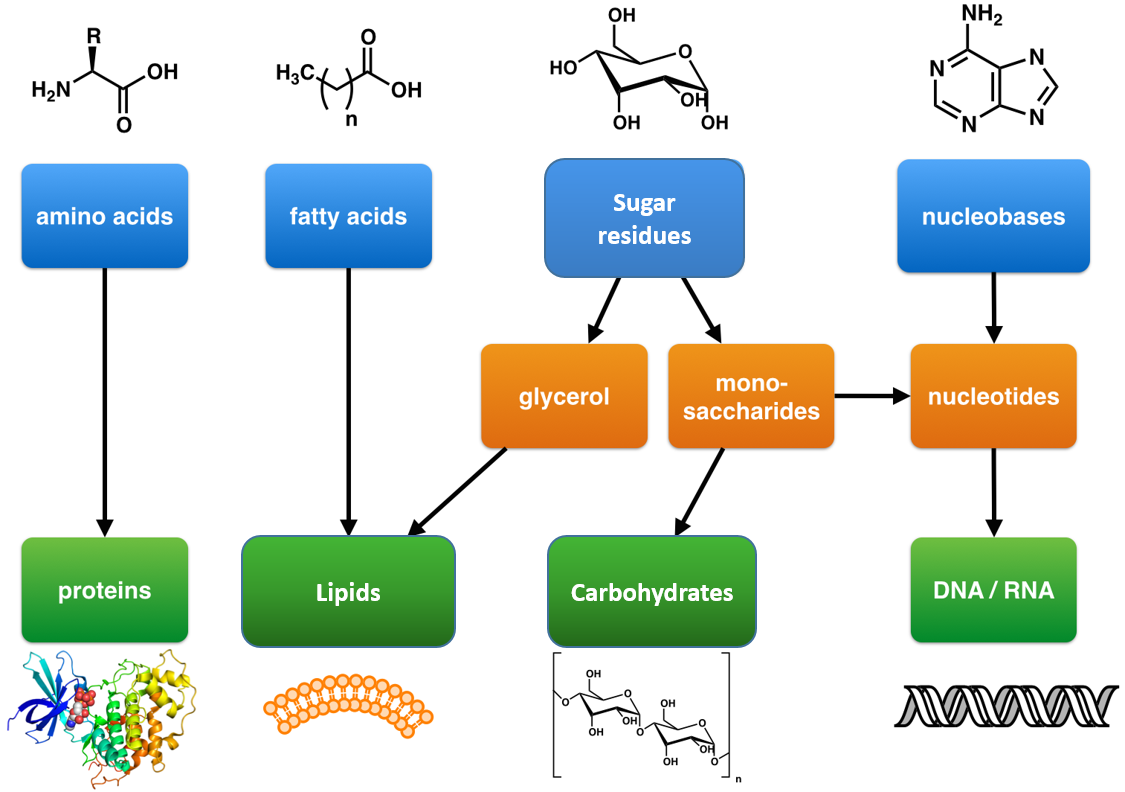
Monomers are the fundamental building blocks of polymers, essential to various biological and synthetic processes. When selecting all that are monomers, it’s crucial to understand their role in forming macromolecules like proteins, nucleic acids, and plastics.
What Are Monomers?
Monomers are small, single molecules capable of binding to others like themselves to form a polymer chain. Examples include glucose, amino acids, and nucleotides. Selecting all that are monomers is important in biochemistry and material science for creating compounds with specific properties.
Select All That Are Monomers in Biology
In biological systems, monomers are the core units that make up larger structures:
- Amino Acids: These monomers link to form proteins, essential for countless biological functions like catalysis and transport. To learn more about their role, visit John Doe Bodybuilding.
- Nucleotides: The monomers of nucleic acids, responsible for storing and transferring genetic information.
- Monosaccharides: Simple sugars like glucose, forming polysaccharides such as starch and cellulose.
Select All That Are Monomers in Industry
Monomers are also critical in industrial applications:
- Ethylene: Used to produce polyethylene, a common plastic found in packaging materials.
- Propylene: Utilized in creating polypropylene, used in textiles and automotive parts. More on this can be found at Ulaska.
The Importance of Selecting All That Are Monomers
Understanding how to select all that are monomers allows for the design of materials with desired characteristics. These small molecules are pivotal in creating durable, flexible, or biodegradable products.
FREE SHIPPING
HOT PROMOTIONS!
BIG SALE | FAST SHIPPING
FIERCE CLOMID 50MG 50CAPS
Original price was: $ 129.00.$ 119.00Current price is: $ 119.00.

STADA HCG 5000IU WITH WATER

Original price was: $ 102.00.$ 89.00Current price is: $ 89.00.
ZPHC Clenbuterol 100 tablets x 40mcg

Original price was: $ 119.00.$ 39.00Current price is: $ 39.00.
CYT 3 6MG | T3 | Yohimbe | Clen | Weight Loss Blend | 100 Tablets Total Kit 600mg
$ 69.00

ZPHC Anastrozole 100 tablets x 1mg Arimidex

Original price was: $ 199.00.$ 59.00Current price is: $ 59.00.
AXIOM FEMARA LETROZOLE 2.5MG Tablets

Original price was: $ 119.00.$ 99.00Current price is: $ 99.00.


CLOMID 50MG FIERCE 50 TABLETS

Original price was: $ 129.00.$ 119.00Current price is: $ 119.00.


ZPHC Nolvadex Tamoxiphene 100 tablets x 20mg

Original price was: $ 199.00.$ 59.00Current price is: $ 59.00.
AROMASIN 25MG 50 TABLETS EXEMESTANE
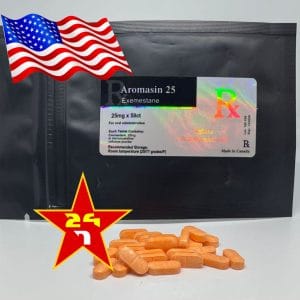
Original price was: $ 97.00.$ 89.00Current price is: $ 89.00.
Beligas MONO FEMARA LETROZOLE 2.5mg per tablet x 50

Original price was: $ 66.00.$ 55.00Current price is: $ 55.00.

Conclusion
Monomers may be small, but they hold immense power in their ability to form diverse and complex structures. By selecting all that are monomers, researchers and industries can harness their potential to innovate and improve various products and biological functions. For those interested in how monomers play a role in steroids, Steroid Planner and Steroid.com provide further reading.
FAQs
What are the most common monomers in nature?
The most common monomers include glucose, amino acids, and nucleotides.
Why is it important to select all that are monomers in science?
Choosing the correct monomers allows for the creation of tailor-made polymers with properties suited for specific applications.
Can monomers be synthetic?
Yes, synthetic monomers, like ethylene and propylene, are crucial in manufacturing various plastics.
How do monomers relate to health and fitness products?
Monomers, particularly amino acids, are vital for protein synthesis, impacting muscle growth and repair.
Monomers are the fundamental building blocks of polymers and are small molecules that can join together to form larger, complex structures. Common examples include glucose for carbohydrates, amino acids for proteins, and nucleotides for nucleic acids. These monomers combine through chemical reactions, typically involving the formation of covalent bonds, resulting in the creation of macromolecules essential for biological processes. Identifying monomers is crucial for understanding the structure and function of more complex molecules, enabling scientists to manipulate these processes in fields such as biotechnology and medicine.