

Understanding Palumbo Gut: Causes, Symptoms, and Treatments

The term Palumbo Gut is often used in bodybuilding circles to describe a distended abdomen. Named after well-known bodybuilder Dave Palumbo, the condition is characterized by an enlarged gut that appears disproportionate to the rest of a well-toned physique. Understanding the causes and management of Palumbo Gut can be crucial for bodybuilders and fitness enthusiasts.
Causes of Palumbo Gut
Several factors contribute to the development of Palumbo Gut. The excessive use of human growth hormone (HGH) and insulin is frequently cited as a primary cause. These substances can increase the size of the internal organs and lead to visceral fat accumulation, resulting in a larger abdominal cavity.
Moreover, high-calorie diets designed to increase muscle mass can also contribute to a distended abdomen. The sheer volume of food intake required for bulking phases can stretch the stomach, creating a more pronounced belly over time. Read more about nutrition and its impact on fitness.
Management and Prevention of Palumbo Gut
To prevent or reduce Palumbo Gut, bodybuilders are advised to monitor their use of performance-enhancing drugs and maintain a balanced diet. Incorporating cardiovascular exercise can help reduce visceral fat and improve overall abdominal appearance.
Additionally, engaging in core-strengthening exercises can aid in developing a tighter midsection. Practices such as vacuum exercises, which focus on tightening the transverse abdominis, can be particularly beneficial.
Conclusion
While the appearance of Palumbo Gut can be concerning for bodybuilders aiming for a chiseled physique, understanding its causes and adopting strategies for prevention can help manage the condition. Monitoring drug use, maintaining balanced nutrition, and incorporating specific exercises into regular routines are effective ways to tackle this issue.
FAQs
What exactly is Palumbo Gut?
Palumbo Gut refers to a condition characterized by a distended abdomen, commonly seen in bodybuilders due to factors like excessive HGH and insulin use, alongside specific dietary and exercise practices.
Can Palumbo Gut be reversed?
While it may not always be possible to fully reverse Palumbo Gut, it can often be managed and reduced through careful monitoring of diet, exercise, and drug use.
Is Palumbo Gut dangerous?
While Palumbo Gut itself is not necessarily dangerous, it can be indicative of excessive drug use and poor dietary habits, which can lead to other health issues.
BIG SALE | FAST SHIPPING
HOT PROMOTIONS!
FIERCE CLOMID 50MG 50CAPS
Original price was: $ 129.00.$ 119.00Current price is: $ 119.00.
CROWX 👑 CLOMIROW 50 Mg / 50 Tabs ( Clomid )
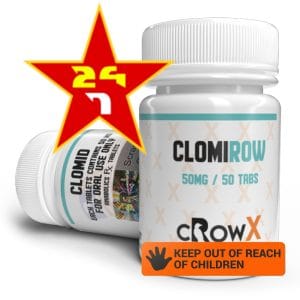
Original price was: $ 79.00.$ 69.00Current price is: $ 69.00.

Palumbo gut, also known as leaky gut syndrome, is a condition in which the lining of the small intestine becomes damaged, causing undigested food particles, toxins, and bacteria to leak through the intestines and into the bloodstream. This can potentially trigger widespread inflammation and stimulate an immune response. While the concept of leaky gut has gained popularity, it remains a somewhat controversial topic in the medical community, with ongoing research needed to fully understand its causes and effects. Common symptoms reported include bloating, food sensitivities, fatigue, and digestive issues, and it is often discussed in the context of autoimmune diseases and chronic health conditions. Treatment approaches typically focus on dietary changes, supplementation, and lifestyle modifications aimed at restoring gut integrity and overall health.