Understanding the Basics: Milliliters vs. Milligrams Explained
TABLE OF CONTENTS

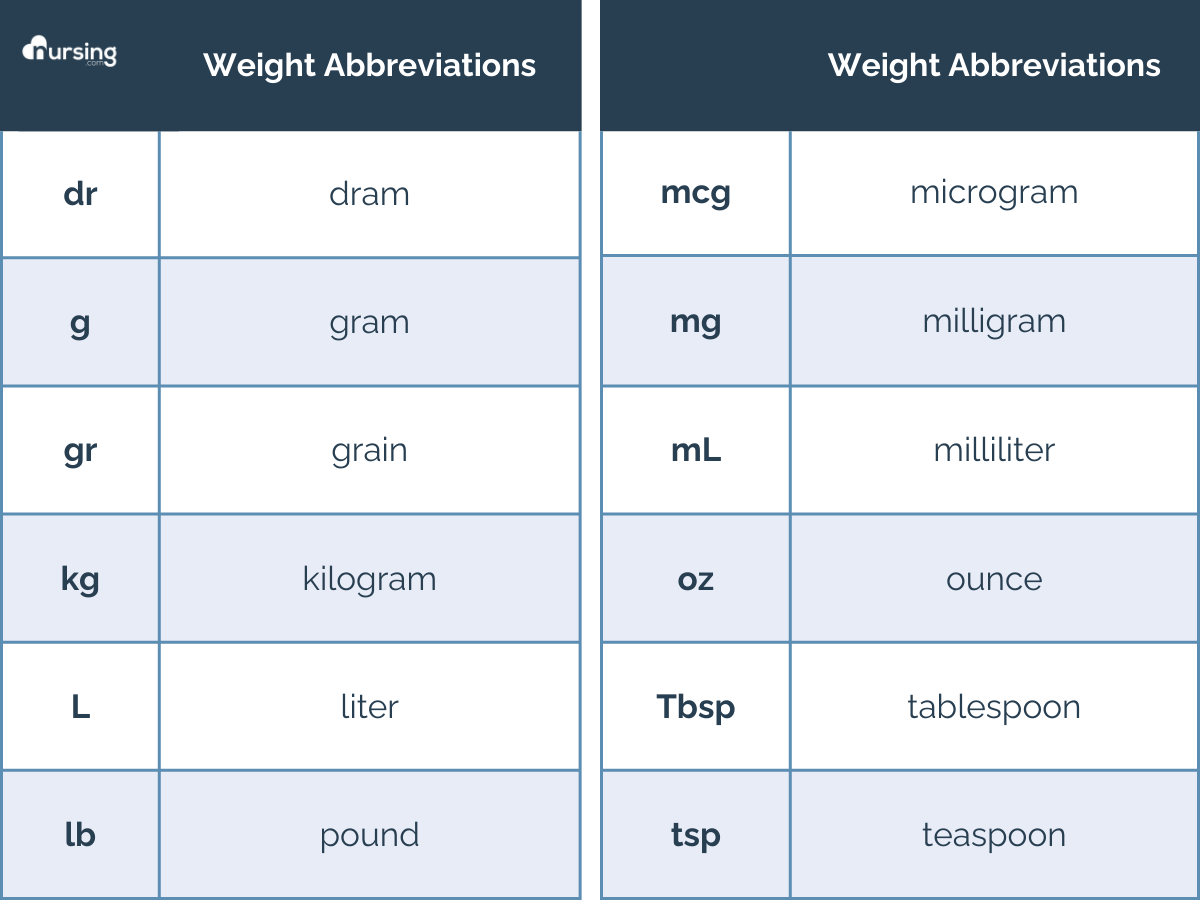
In the world of measurements, especially in medicine, cooking, and chemistry, understanding units like milliliters and milligrams is crucial. Both represent small quantities but measure different aspects: milliliters (mL) for volume and milligrams (mg) for weight. Let’s delve deeper into these units.
Milliliters: Measuring Volume
Milliliters are a standard unit of volume in the metric system, representing one-thousandth of a liter. They are commonly used to measure liquids such as water, medicine, and ingredients in recipes. For example, a teaspoon holds about 5 milliliters of liquid. The prevalence of milliliters in medical dosage highlights the need for precise volume measurements to ensure safety and efficacy. Additional information on steroid usage and measurement can be found at Steroid Planner.
Milligrams: Measuring Weight
Milligrams measure weight or mass and are also a part of the metric system, with one thousand milligrams equaling one gram. This unit is often used for medications and nutritional information, emphasizing the importance of exact dosing. Over-the-counter drugs or supplements may use milligrams to specify amounts of active ingredients. For a detailed look into how milligrams play a crucial role in bodybuilding, visit John Doe Bodybuilding.
Relating Milliliters and Milligrams
While milliliters measure volume and milligrams measure weight, in practical scenarios, these units often relate, especially when dealing with liquid substances. For instance, the concentration of a solution is frequently expressed in mg/mL, denoting how many milligrams of a substance are present per milliliter of liquid. Accuracy in such measurements is essential for applications ranging from pharmaceutical doses to culinary creations.
FREE SHIPPING
BIG SALE | FAST SHIPPING
HOT PROMOTIONS!

Fierce trenbolone acetate 100mg/ml

Original price was: $ 119.00.$ 99.00Current price is: $ 99.00.


♀ PT 141 10MG/VIAL Bremelanotide KIT 10vials FIERCE

Original price was: $ 400.00.$ 279.00Current price is: $ 279.00.
Beligas Propha Testosterone 10 vials x 1ml (Propionate) 100mg

Original price was: $ 79.00.$ 69.00Current price is: $ 69.00.
ARIMIDEX 1MG FIERCE 50 CAPS
Original price was: $ 130.00.$ 119.00Current price is: $ 119.00.
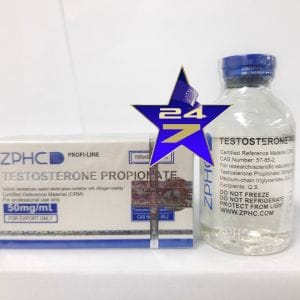

Understanding this relationship helps ensure the right dosage of medication, accurate cooking recipes, or correct chemical reactions. Useful insights on such topics, specifically about domestic steroids, are available at 24-7 Is Making High-Quality Domestic Steroids Accessible to the US Market.
Conclusion
Milliliters and milligrams are foundational units in various fields, providing precise ways to measure volume and weight. Understanding these units and their relationship is critical for safe medication dosages, accurate scientific measurements, and even everyday tasks like cooking. Remember, meticulous measurement is key to success in both science and everyday life.
For more information on how these measurements play a role in steroid usage, check out Steroid.com.
FAQs
What is a milliliter used for?
Milliliters are used to measure liquid volume, commonly seen in kitchens and pharmacies.
How does a milligram differ from a milliliter?
A milligram measures weight, while a milliliter measures volume. They are different metrics and not directly convertible without knowing the substance’s density.
How do I convert milliliters to milligrams?
The conversion depends on the substance’s density. You need to know how much a specific volume of the substance weighs.
Can I use milliliters and milligrams interchangeably?
No, as they measure different properties. Ensure you choose the correct unit for your specific needs.
A milliliter (mL) and a milligram (mg) are both metric units used to measure different quantities. A milliliter is a unit of volume, commonly used to gauge liquids, and is equivalent to one-thousandth of a liter. On the other hand, a milligram is a unit of mass, representing one-thousandth of a gram. When dealing with substances like medications or solutions, both units are frequently used together. For example, a medication might be prescribed with a certain concentration, measured in milligrams per milliliter (mg/mL), indicating the mass of the active ingredient in a given volume of solution. Understanding the relationship between these units is crucial in fields such as chemistry and pharmacology, where precise measurements are essential.