

Understanding the Difference: Free vs. Total Testosterone Levels

Understanding Testosterone: Free vs. Total
Testosterone is a pivotal hormone in the human body, particularly influential in male physical development and health. However, it’s also present in females, playing significant roles in various bodily functions. When it comes to measuring testosterone, doctors usually look at two different types: free testosterone and total testosterone.
What is Total Testosterone?
Total testosterone refers to the complete amount of testosterone in the bloodstream. This includes both testosterone that is bound to proteins like sex hormone-binding globulin (SHBG) and albumin, as well as free testosterone that circulates unbound. Total testosterone tests are useful in getting a broad perspective on the hormone’s level within the body. Low or high total testosterone can indicate various health issues, ranging from hormonal disorders to lifestyle factors influencing hormonal balance.
What is Free Testosterone?
Free testosterone is the small fraction of testosterone that is not bound to any proteins. Although it constitutes a minor portion of the total testosterone, it is bioavailable and plays a vital role in key bodily functions. Free testosterone is crucial for developing secondary sexual characteristics, maintaining muscle mass, and ensuring proper reproductive health. Measuring free testosterone helps provide insight into how much testosterone is actually available for use by the body.
Testosterone Free vs. Total: Why Both Matter
Understanding the difference between testosterone free vs total is essential because both measurements provide integral insights. Total testosterone gives an overview of the testosterone status, while free testosterone offers a targeted view of bioactive testosterone. Often, individuals may have normal total testosterone levels but low free testosterone, pointing to binding issues or health concerns that need addressing. Thus, both tests are crucial in diagnosing and treating testosterone-related conditions.
BIG SALE | FAST SHIPPING
HOT PROMOTIONS!
CLOMIPHENE TABLETS 50mg 50 TABLETS FIERCE
Original price was: $ 99.00.$ 89.00Current price is: $ 89.00.


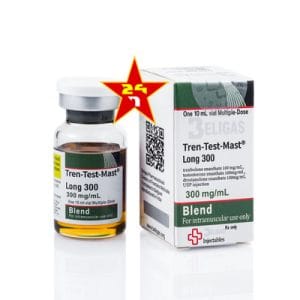
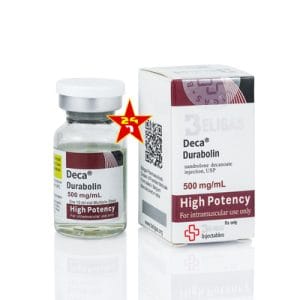
Fierce nandrolone decanoate 300 / ml 10ml

Original price was: $ 131.00.$ 119.00Current price is: $ 119.00.
ZPHC UltraMix 10ml MultiUse Vial 1ml = 250mg
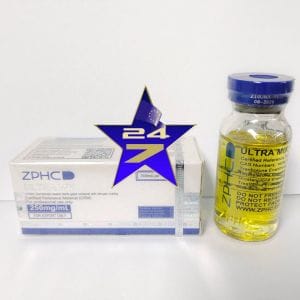
Original price was: $ 255.00.$ 179.00Current price is: $ 179.00.
ZPHC Clomid Clomiphene 25mg/tablet | 100 Tablets Total: 2500mg
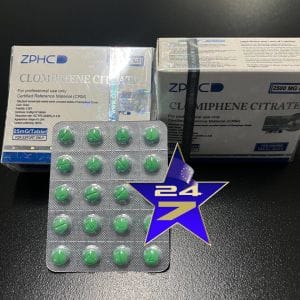
Original price was: $ 159.00.$ 65.00Current price is: $ 65.00.
Factors Affecting Testosterone Levels
Testosterone levels can be influenced by various factors, including age, lifestyle, and health status. For instance, while aging naturally leads to a decline in testosterone, factors like stress, obesity, and poor diet can exacerbate this reduction. Understanding these influences is vital for managing levels effectively, ensuring optimal health and vitality.
Conclusion
When assessing testosterone health, examining both free and total testosterone levels is crucial. This dual measurement provides a more complete picture, guiding effective treatment strategies. Maintaining balanced testosterone levels is critical for overall health, and recognizing the importance of both measurements ensures better diagnosis and management.
FAQs
What distinguishes testosterone free vs total testing?
Free testosterone testing measures only the unbound testosterone in the bloodstream, while total testosterone encompasses all testosterone, both bound and free. Both tests are important for diagnosing different aspects of hormonal health.
Is one measurement more important than the other?
Both measurements have their significance. Total testosterone gives a comprehensive overview, while free testosterone provides insights into the bioavailable hormone impacting bodily functions.
How can lifestyle changes affect testosterone levels?
Adopting a healthy lifestyle can significantly influence both total and free testosterone levels. Regular exercise, a balanced diet, adequate sleep, and stress management are pivotal. For more in-depth research on testosterone click here and for additional medical guidance visit this site.
By understanding testosterone free vs total, individuals can make informed health decisions, overseeing optimal well-being and addressing potential issues insightfully.
Testosterone, a crucial hormone in the human body, particularly in males, exists in two forms: free testosterone and total testosterone. Total testosterone refers to the overall level of testosterone present in the bloodstream, which includes both testosterone that is bound to proteins, such as sex hormone-binding globulin (SHBG) and albumin, and the unbound or “free” testosterone. Free testosterone, on the other hand, represents only a small fraction—usually 1-2%—of the total testosterone that is not attached to any proteins and is available to the body’s cells for biological activity. While total testosterone measurement is often used in diagnostic settings, assessing free testosterone is crucial for understanding clinical situations where symptoms of testosterone deficiency are present despite normal total testosterone levels. Free testosterone is a more accurate reflection of the hormone available to tissues and is often considered more clinically relevant in evaluating conditions related to androgen deficiency, such as hypogonadism, or in cases where SHBG levels are abnormal. Therefore, both measurements can be valuable, but each provides different insights into an individual’s hormonal balance and potential underlying health issues.