Understanding the Itch: Common Causes of Pubic Hair Itchiness
TABLE OF CONTENTS

Pubic hair itchy can be an uncomfortable and sometimes embarrassing issue that affects many individuals. Though it may seem like a minor inconvenience, understanding its causes and solutions is essential for maintaining personal hygiene and comfort. This article delves into the potential reasons behind pubic hair itchy, offers tips on prevention and management, and concludes with a few FAQs to address common concerns.
Causes of Pubic Hair Itchy
Pubic hair itchy can arise from a variety of factors, ranging from mild irritations to underlying medical conditions. Here are some common causes:
-
- Shaving and Hair Removal: One of the most common causes of pubic hair itchy is shaving or waxing. These methods can irritate the sensitive skin in the pubic area, leading to itching and discomfort. Razor burns or ingrown hairs often accompany this itchiness.
-
- Dry Skin: The skin in the pubic area can become dry and flaky if not properly moisturized, especially in climates with low humidity. This dryness can result in an itchy sensation.
-
- Allergic Reactions: Personal care products such as soaps, lotions, and laundry detergents might contain ingredients that irritate the sensitive skin in the pubic region, leading to an itchy experience.
-
- Infections: Fungal infections like jock itch and bacterial infections can cause itchiness in the pubic area. These conditions typically need medical treatment for resolution.
-
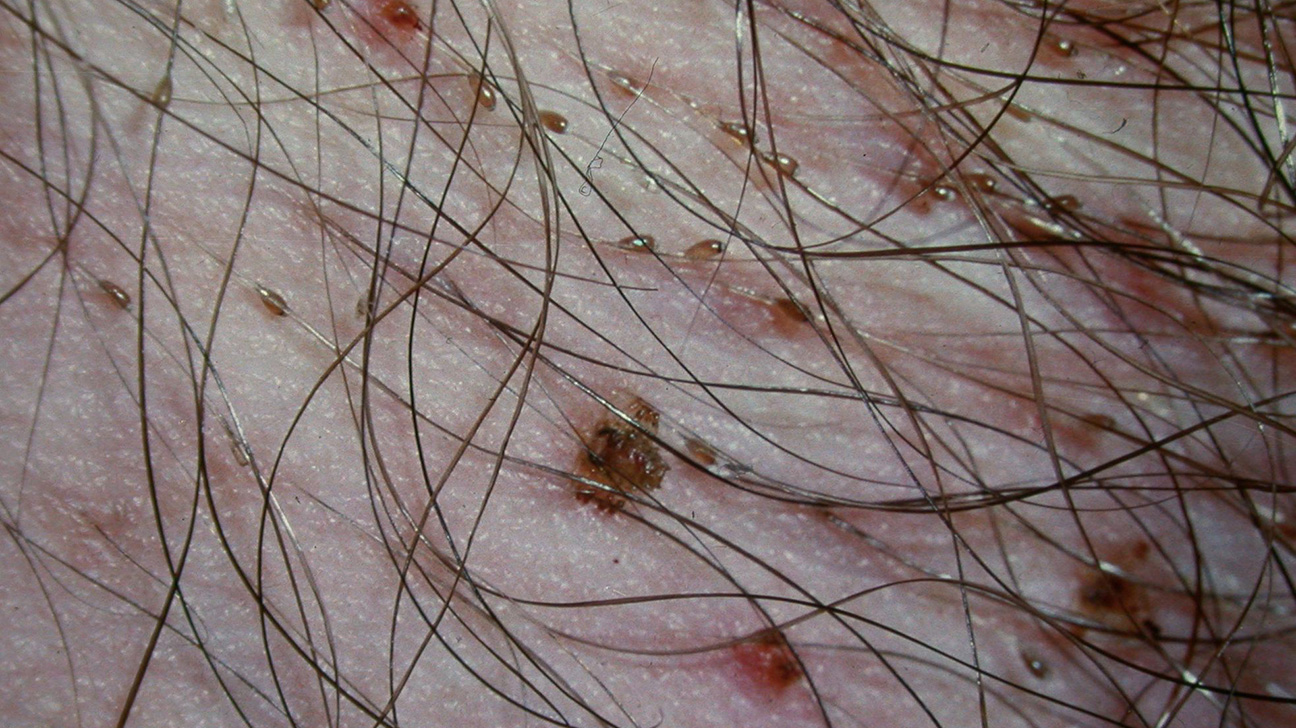
- Parasites: Pubic lice are tiny parasites that infest pubic hair and cause intense itching. They are usually spread through close physical contact.
Prevention and Management of Pubic Hair Itchy
To prevent and manage pubic hair itchy effectively, consider the following tips:
-
- Proper Shaving Techniques: Use a clean, sharp razor and shave in the direction of hair growth to reduce irritation. Applying a moisturizing shaving cream can also help.
-
- Hydration and Moisturization: Keep the pubic area well-moisturized and hydrated to prevent dryness. Opt for hypoallergenic and fragrance-free products to minimize the risk of allergic reactions.
-
- Gentle Cleaning: Use mild unscented soaps to clean the area and avoid hot showers that can dry out the skin.
-
- Seek Medical Advice: If you suspect an infection or infestation, consult a healthcare provider promptly for appropriate treatment.
-
- Regular Grooming: Keep the pubic area clean and trimmed to reduce the risk of infections and irritation.
Conclusion
Addressing pubic hair itchy requires understanding its causes and implementing effective prevention and management strategies. By adopting proper grooming techniques, keeping the skin moisturized, and maintaining good personal hygiene, individuals can significantly reduce the discomfort associated with this condition. If itching persists, it is crucial to seek medical advice to rule out underlying health issues.
BIG SALE | FAST SHIPPING
HOT PROMOTIONS!
CLOMID 50MG FIERCE 50 TABLETS
Original price was: $ 129.00.$ 119.00Current price is: $ 119.00.


ZPHC UltraMix 1ml amps x 10 amps - 1ml = 250mg
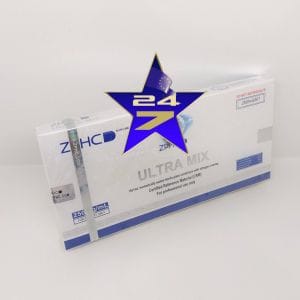
Original price was: $ 259.00.$ 179.00Current price is: $ 179.00.




FAQs
What should I do if my pubic hair itchy persists?
If your pubic hair itchy persists despite following preventive measures, it is advisable to consult a healthcare professional for a thorough diagnosis and potential treatment.
Can pubic hair itchy be a sign of an STD?
While pubic hair itchy can result from various non-sexual factors, it can also indicate a sexually transmitted disease or condition, such as pubic lice. It’s important to get tested if you suspect an STD.
Are there natural remedies for pubic hair itchy?
Some people find relief using natural remedies such as aloe vera, coconut oil, or tea tree oil for moisturizing and calming the skin. However, be cautious and perform a patch test to avoid allergic reactions.
For further reading on related topics, consider these resources: Healthline and WebMD.
This concise yet detailed guide on pubic hair itchy is designed to inform and assist those dealing with this common issue, offering reliable guidance and resources for better pubic health and hygiene.
Pubic hair itchiness can be an uncomfortable and sometimes embarrassing concern, affecting individuals for various reasons. This itchiness may be caused by a number of factors, including new hair growth after shaving or waxing, which can lead to irritation as the hair breaks through the skin’s surface. Another common cause is the presence of ingrown hairs, which occur when hair curls back or grows sideways into the skin, prompting localized inflammation and discomfort. Skin conditions such as eczema, psoriasis, or fungal infections like jock itch can also result in itching in the pubic area. Additionally, inadequate hygiene or tight clothing that traps moisture and creates friction can exacerbate the sensation. It’s essential for individuals experiencing persistent or severe itchiness to consult a healthcare professional to rule out any underlying infections or dermatological issues and to receive appropriate treatment, which might include topical creams, improved grooming habits, or changes in personal care routines.