Understanding Thyrotropin: The Key Hormone in Thyroid Function
TABLE OF CONTENTS

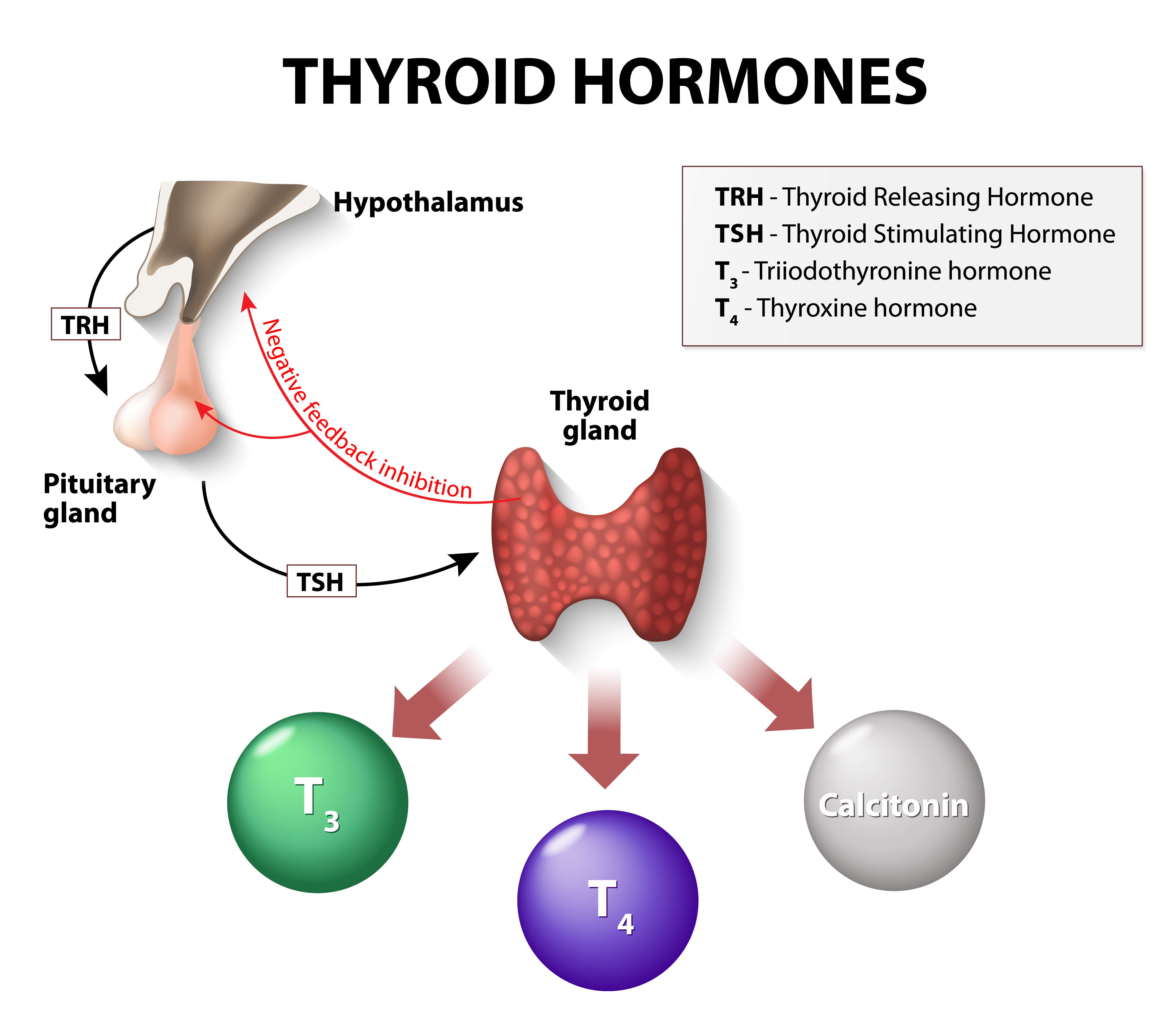
Thyrotropin, also known as thyroid-stimulating hormone (TSH), plays a crucial role in the endocrine system. It is produced by the pituitary gland and is responsible for regulating the production of hormones by the thyroid gland. This article delves into the functions, importance, and clinical significance of thyrotropin.
The Role of Thyrotropin in the Body
Thyrotropin is pivotal in maintaining the body’s metabolic functions. It stimulates the thyroid gland to produce triiodothyronine (T3) and thyroxine (T4), hormones vital for regulating metabolism, growth, and development. The thyroid’s ability to produce these hormones directly correlates with the levels of thyrotropin released by the pituitary gland.
A balanced secretion of T3 and T4 is necessary for normal body functions. An imbalance in thyrotropin can lead to various disorders, such as hypothyroidism, where hormone production is insufficient, or hyperthyroidism, where hormone production is excessive.
Thyrotropin and Its Clinical Importance
Measuring thyrotropin levels is a standard procedure in diagnosing thyroid disorders. Elevated TSH levels might indicate hypothyroidism, while suppressed levels often point to hyperthyroidism. These measurements assist healthcare providers in tailoring treatments for optimal health outcomes.
The regular monitoring of thyrotropin is especially critical for individuals undergoing treatment for thyroid-related conditions. It helps in adjusting medication doses to achieve stable thyroid hormone levels, enhancing overall well-being and preventing complications.
Conclusion
As a fundamental hormone in the endocrine system, thyrotropin ensures the proper regulation of thyroid hormones, which are vital for numerous physiological functions. Understanding thyrotropin’s role aids in the early diagnosis and effective management of thyroid disorders, contributing to a balanced and healthy life.
For additional information on steroids and hormone therapy, you may wish to explore resources like Steroid Planner, Steroid.com, John Doe Bodybuilding, and Ulaska.
FREE SHIPPING
HOT PROMOTIONS!
BIG SALE | FAST SHIPPING
Beligas BelTropin HGH 100iu 10iu x 10 vials
Original price was: $ 414.00.$ 259.00Current price is: $ 259.00.
TRENBOLONE ENANTHATE 200MG 10ML AUCTUS

Original price was: $ 140.00.$ 119.00Current price is: $ 119.00.
STADA TESTOSTERONE PROPIONATE 100MG / ML 10ML

Original price was: $ 79.00.$ 59.00Current price is: $ 59.00.
CROWX 👑 TreneRow Vial 10ml | Trenbolone Enanthate 200mg

Original price was: $ 169.00.$ 109.00Current price is: $ 109.00.




Beligas IGF-1LR3 1mg + 1 BA Liquid
Original price was: $ 99.00.$ 79.00Current price is: $ 79.00.

FAQs About Thyrotropin
What triggers thyrotropin release?
Thyrotropin release is primarily stimulated by thyrotropin-releasing hormone (TRH) from the hypothalamus. This process ensures that adequate thyroid hormones are produced in response to the body’s needs.
How is thyrotropin measured?
Thyrotropin is measured through a blood test. The TSH test is a standard diagnostic tool used to assess thyroid function and diagnose thyroid disorders.
Can lifestyle affect thyrotropin levels?
Yes, factors such as stress, diet, and sleep patterns can influence thyrotropin levels. Maintaining a balanced lifestyle can support healthy thyroid function.
Thyrotropin, also known as thyroid-stimulating hormone (TSH), is a critical hormone produced by the anterior pituitary gland, playing a vital role in regulating thyroid function. It stimulates the thyroid gland to secrete thyroxine (T4) and triiodothyronine (T3), which are essential for regulating metabolism, energy generation, and overall growth and development. The secretion of thyrotropin is influenced by the hypothalamic thyrotropin-releasing hormone (TRH) and is subject to a negative feedback loop involving the levels of T3 and T4. Abnormal TSH levels can indicate thyroid dysfunction, such as hypothyroidism, where TSH levels are typically elevated, or hyperthyroidism, where they are often suppressed, making it a crucial parameter in diagnosing and managing thyroid-related disorders.