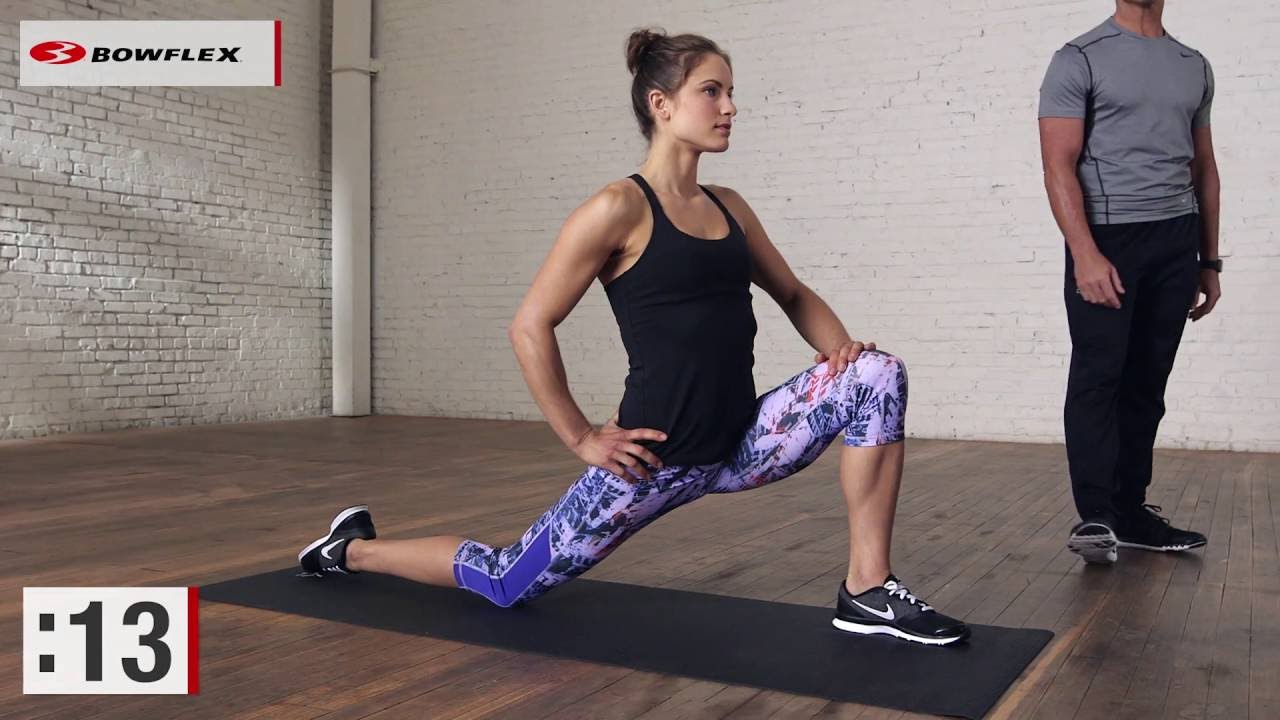
Unlock Flexibility: The Ultimate Guide to Stretching Your Legs
TABLE OF CONTENTS

Why Stretching Your Legs is Essential
Stretching helps maintain muscle health, particularly in the legs, which are responsible for a wide variety of movements. Tight leg muscles can affect your posture and lead to back pain or other related musculoskeletal issues. Regular routines targeting leg muscles such as the quadriceps, hamstrings, and calves can alleviate these issues.
Techniques for Stretching Your Legs Effectively
Different techniques can be employed to ensure a comprehensive stretch. Static stretches, such as standing quadriceps stretches, involve holding a pose for 15-60 seconds to allow muscles to elongate. Dynamic stretching, on the other hand, involves controlled leg movements that increase blood flow and prepare muscles for more intensive activity.
Incorporating Leg Stretches Into Your Routine
It’s beneficial to integrate leg stretches into your daily routine, whether post-workout or as a standalone session. A simple routine of calf raises, hamstring stretches, and quad stretches can significantly enhance flexibility and promote relaxation.
Conclusion
Consistently stretching your legs can result in numerous health benefits, from improved flexibility and reduced injury risk to enhanced muscle function. By making it a regular aspect of your fitness routine, you’ll see positive improvements in both wellbeing and performance.
Frequently Asked Questions
1. How often should I stretch my legs?
It’s recommended to stretch your legs after every workout and at least 2-3 times per week if not working out regularly.
2. Can stretching my legs reduce muscle soreness?
Yes, leg stretching can aid in reducing muscle soreness by improving blood circulation and facilitating muscle recovery.
3. Is there a best time to stretch?
Stretching is often most effective post-exercise when muscles are warm, though gentle stretches can also be beneficial at other times.
BIG SALE | FAST SHIPPING
HOT PROMOTIONS!



CROWX 👑 CLOMIROW 50 Mg / 50 Tabs ( Clomid )

Original price was: $ 79.00.$ 69.00Current price is: $ 69.00.



STADA MEGA CUTS BLEND 300 MG 10ML (TRENBOLONE)
Original price was: $ 129.00.$ 119.00Current price is: $ 119.00.

Stretching your legs is an essential aspect of maintaining overall body flexibility and preventing muscle stiffness. This simple yet effective practice can significantly improve your range of motion, enhance circulation, and reduce the risk of injury, especially for those who lead sedentary lifestyles or engage in regular physical activity. Incorporating leg stretches into your daily routine can alleviate tension built up in muscles such as the quadriceps, hamstrings, calves, and hips, contributing to improved posture and joint health. Whether it’s through dynamic stretches before a workout or static stretches afterward, dedicating a few minutes to stretch your legs helps keep them agile and contributes to overall physical well-being. Stretching also provides a moment of mindfulness, allowing you to connect with your body and promote relaxation in both the muscles and the mind.