
Unlocking Strength: The Science and Secrets of Muscle Maturity

When it comes to bodybuilding and fitness, there is often a lot of talk about strength, endurance, and mass gain, but an equally vital aspect is often overlooked: muscle maturity. This concept is critical to understanding how the muscles develop over time and how they contribute to overall athletic performance.
What Is Muscle Maturity?
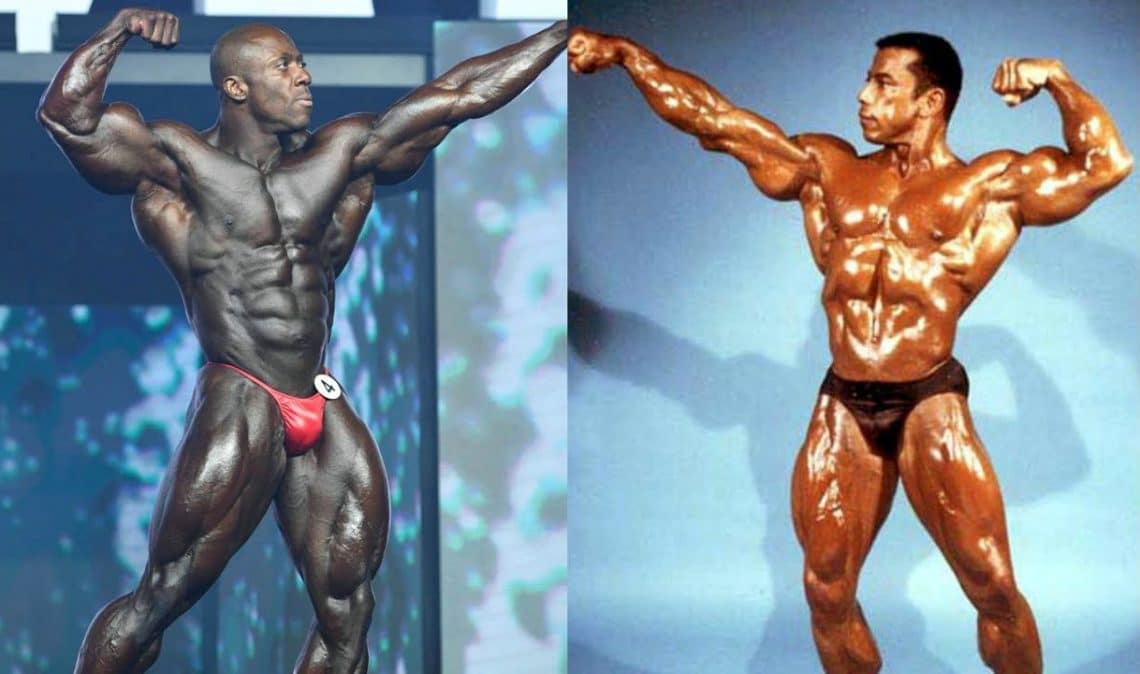
Muscle maturity refers to the stage at which muscles reach their full developmental potential. This goes beyond mere size; it encompasses muscle density, definition, and the quality of muscle fibers. The degree of maturity is generally linked to the duration of training and age. While some people might equate mature muscles with older athletes, this isn’t exclusively the case. It’s about the deep, quality contraction and the advanced definition that comes from years of dedicated training.
The Science Behind Muscle Maturity
As someone progresses through years of rigorous exercise, the muscular system undergoes several changes. Muscle fibers become more efficient at contracting, contributing to improved muscle density and definition. This enhanced capability is often the result of a long-term adaptation process where the body becomes more adept at coping with the physical demands placed upon it. Research suggests that trained individuals have a greater capacity for protein synthesis, which plays a significant role in achieving muscle maturity source.
Achieving Muscle Maturity Through Training
Attaining muscle maturity requires a consistent and targeted exercise regimen. Emphasis should be placed on progressive overloading, which means gradually increasing the intensity of your workouts. Additionally, incorporating variations in exercises can yield better results. This helps in engaging different muscle groups and promoting neuromuscular adaptations. A well-rounded approach should also include components like flexibility and mobility training for balanced muscle development.
Nutrition’s Role in Muscle Development
Optimal nutrition is another crucial factor in achieving muscle maturity. Adequate protein intake is essential for muscle repair and growth. A balanced diet rich in vitamins and minerals helps in maintaining muscle health over time. Staying hydrated aids in better muscle function and recovery post-exercise. Some research points to the efficacy of creatine and branched-chain amino acids (BCAAs) in promoting muscle density source.
The Role of Age and Genetics
While genetics can heavily influence muscle maturity, age also plays a critical role. As people age, they naturally increase their muscle maturity, given that they remain consistent with their training regime. This is why veteran athletes often exhibit more defined musculature compared to their younger counterparts. However, regardless of age, a well-planned training program can facilitate the development of mature muscles.
Conclusion
Muscle maturity is a complex yet vital component of physical fitness, influencing strength, flexibility, and appearance. Achieving it requires patience, dedication, and a strategic approach to training and nutrition. Although genetics and age contribute to this process, anyone can make significant progress through disciplined efforts.
FAQs
What is muscle maturity?
Muscle maturity refers to the stage where muscles not only increase in size but also in quality, density, and definition. It is enhanced by long-term training and proper nutrition.
Can young athletes achieve muscle maturity?
While younger athletes may not possess the same maturity level as older individuals, they can still work towards it through consistent training and appropriate nutrition.
How can diet affect muscle maturity?
A balanced diet with adequate protein, essential fats, vitamins, and minerals is crucial for achieving mature muscles. Proper nutrition supports muscle repair, growth, and overall health.
Is muscle maturity solely determined by age?
Age contributes to muscle maturity, but it’s not the only factor. Consistent training and a well-tuned diet can help athletes of all ages improve muscle quality.
BIG SALE | FAST SHIPPING
HOT PROMOTIONS!
STADA MEGA CUTS BLEND 300 MG 10ML (TRENBOLONE)

Original price was: $ 129.00.$ 119.00Current price is: $ 119.00.
FIERCE CLOMID 50MG 50CAPS

Original price was: $ 129.00.$ 119.00Current price is: $ 119.00.

ZPHC UltraMix 1ml amps x 10 amps - 1ml = 250mg
Original price was: $ 259.00.$ 179.00Current price is: $ 179.00.




CROWX 👑 CLOMIROW 50 Mg / 50 Tabs ( Clomid )

Original price was: $ 79.00.$ 69.00Current price is: $ 69.00.

Muscle maturity refers to the stage of physiological development where muscle fibers become fully developed and are more efficient in producing strength. This concept is particularly relevant in bodybuilding and strength training, where mature muscles generally exhibit greater density, definition, and the ability to achieve hypertrophy more effectively. As muscles mature, they tend to have an enhanced response to training stimuli, which can be attributed to several factors, including improved neural adaptations, increased capillary density, and better muscle protein synthesis efficiency. Muscle maturity is often associated with age and consistent training over time, meaning that older and more experienced athletes may display a physique with greater muscle hardness and detail compared to younger individuals. Understanding muscle maturity is important for tailoring training approaches that align with an individual’s developmental stage, ultimately optimizing performance and aesthetic goals.