
Unlocking the Benefits: How Glutamine Fuels Your Body

Introduction to Glutamine
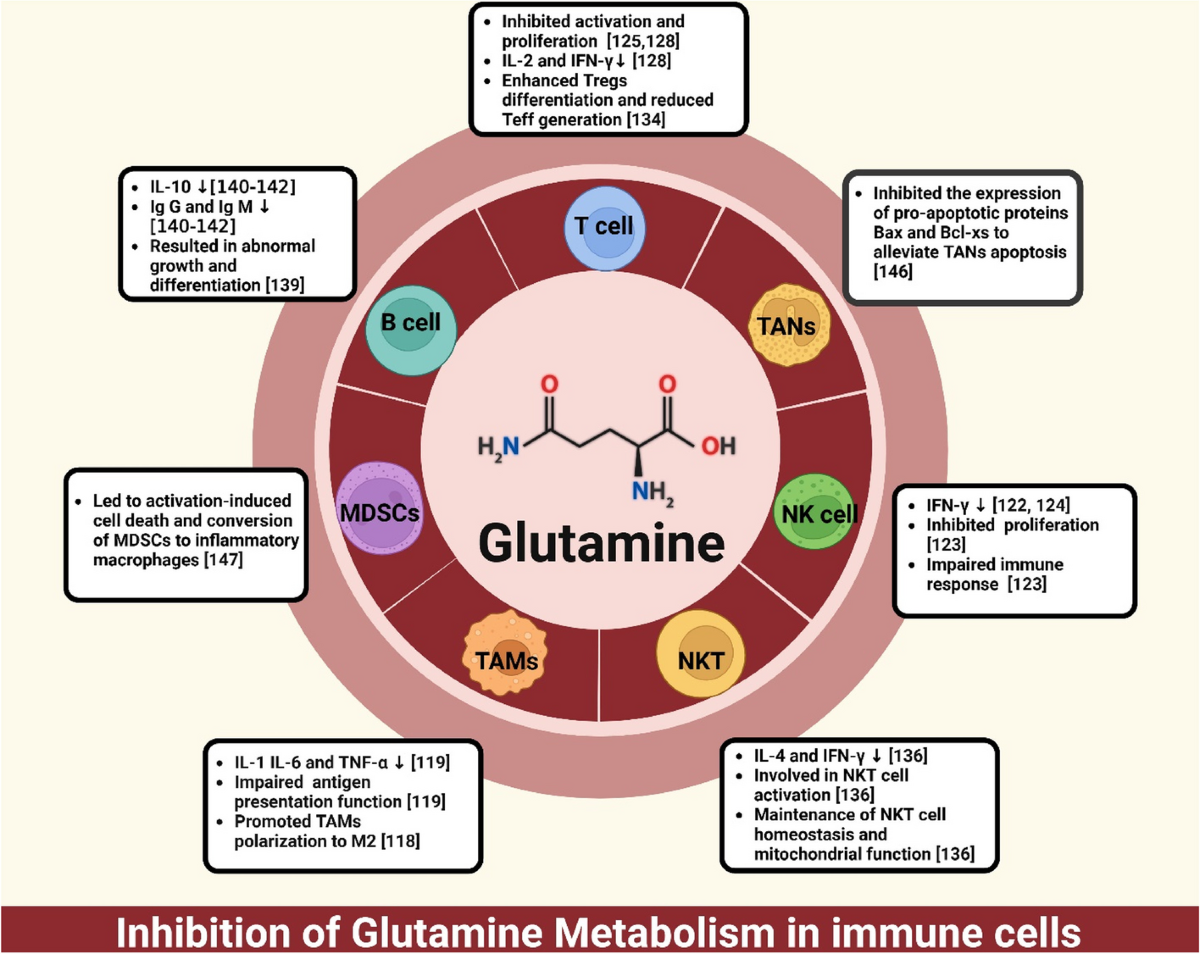
Glutamine is a versatile amino acid that plays a critical role in a variety of bodily functions, including
protein synthesis and immune support. As one of the most abundant amino acids in the body, glutamine is
essential for athletes and those undertaking strenuous physical activities. It’s naturally found in foods
like meat, eggs, and dairy products.
L-Glutamine: A Closer Look
L-Glutamine, the biologically active form of glutamine, is popular in the fitness community due to its
ability to aid in muscle recovery and growth. Many gym enthusiasts turn to L-Glutamine supplements to reduce
muscle soreness and improve athletic performance.
Benefits for Athletes
For athletes, both glutamine and L-Glutamine offer numerous benefits. They help maintain muscle mass, boost
immune function, and improve gut health. Consuming these amino acids can be especially beneficial during
periods of intense training when the body’s glutamine levels are depleted.
The Role of L-Glutamine in Recovery
After an intensive workout, L-Glutamine levels can drop significantly, leading to potential muscle
breakdown. By supplementing with L-Glutamine, athletes can support faster recovery, reduced muscle soreness,
and better hydration.
Sources and Supplements
While glutamine can be obtained from a balanced diet, L-Glutamine supplements offer a convenient way to
ensure adequate intake, especially for athletes following a rigorous training schedule.
FREE SHIPPING
BIG SALE | FAST SHIPPING
HOT PROMOTIONS!
SUSTANON 350 AUCTUS 350MG 10ML

Original price was: $ 109.00.$ 99.00Current price is: $ 99.00.
CROWX 👑 SUSTAROW 300 MG/ 10 ML Vial SUSTANON
Original price was: $ 109.00.$ 99.00Current price is: $ 99.00.

SUSTANON 300MG BLEND AXIOM 10ML

Original price was: $ 118.00.$ 99.00Current price is: $ 99.00.


Conclusion
Glutamine and L-Glutamine are crucial components in both everyday health and athletic performance. By
understanding and utilizing these amino acids, individuals can achieve better muscle recovery, enhance
performance, and support overall health.
FAQs
What is the difference between glutamine and L-Glutamine?
Glutamine refers to the amino acid as a whole, while L-Glutamine is the naturally occurring, active form
that’s used in supplements.
Are glutamine supplements safe?
Glutamine supplements are generally safe for most people when taken in appropriate amounts. However, it’s
advisable to consult with a healthcare provider before starting any new supplementation.
How do glutamine and L-Glutamine support recovery?
They help in replenishing the amino acid levels in the body post-exercise, reducing muscle breakdown, and
promoting faster recovery times.
Glutamine is a versatile amino acid found abundantly in the body, playing a critical role in various physiological processes. It serves as a building block for protein synthesis, supports immune function, and aids in maintaining intestinal health. L-glutamine, the biologically active form, is particularly important because it helps fuel rapidly dividing cells, such as those in the gut and immune system. During periods of stress or intense exercise, the body’s demand for glutamine increases, and supplementation may help in recovery and maintaining muscle mass. Its significance extends to medical settings, where it’s used to support patients with trauma or those undergoing chemotherapy, due to its ability to enhance nutrient absorption and repair tissues.