

Unlocking the Power of Lipids: Essential Facts You Need to Know

Understanding Lipids: Essential Molecules of Life
Lipids are a diverse group of naturally occurring molecules crucial for various biological functions. Although they are commonly associated with fats, these compounds encompass a range of substances including oils, waxes, and certain vitamins. Their significance extends beyond simple energy storage, playing crucial roles in cell structure and signaling processes.
Types of Lipids
The diversity in lipid structures leads to different categories, each serving unique roles in biological systems:
-
- Fats and Oils: These are primarily used by organisms as long-term energy storage. Triglycerides, made up of glycerol and fatty acids, represent the most common form found in animal and plant tissues.
-
- Phospholipids: They are fundamental components of cell membranes. Comprising a hydrophilic head and hydrophobic tail, phospholipids form bilayers that create a selective barrier for cells, maintaining a stable internal environment.
-
- Steroids: Characterized by a core structure of four fused carbon rings, steroids include hormones like testosterone and estradiol, playing crucial roles in regulating various physiological processes.
-
- Waxes: With their long-chain fatty acids, waxes provide protective coatings in organisms, such as the cuticle on leaves and skin’s outer layer in animals. They help prevent water loss and offer defense against environmental damage.
-
- Fat-Soluble Vitamins: These include vitamins A, D, E, and K, which are vital for numerous functions like vision, bone health, antioxidation, and blood clotting, respectively.
Biological Importance of Lipids
Lipids are indispensable for life due to their multifaceted roles:
-
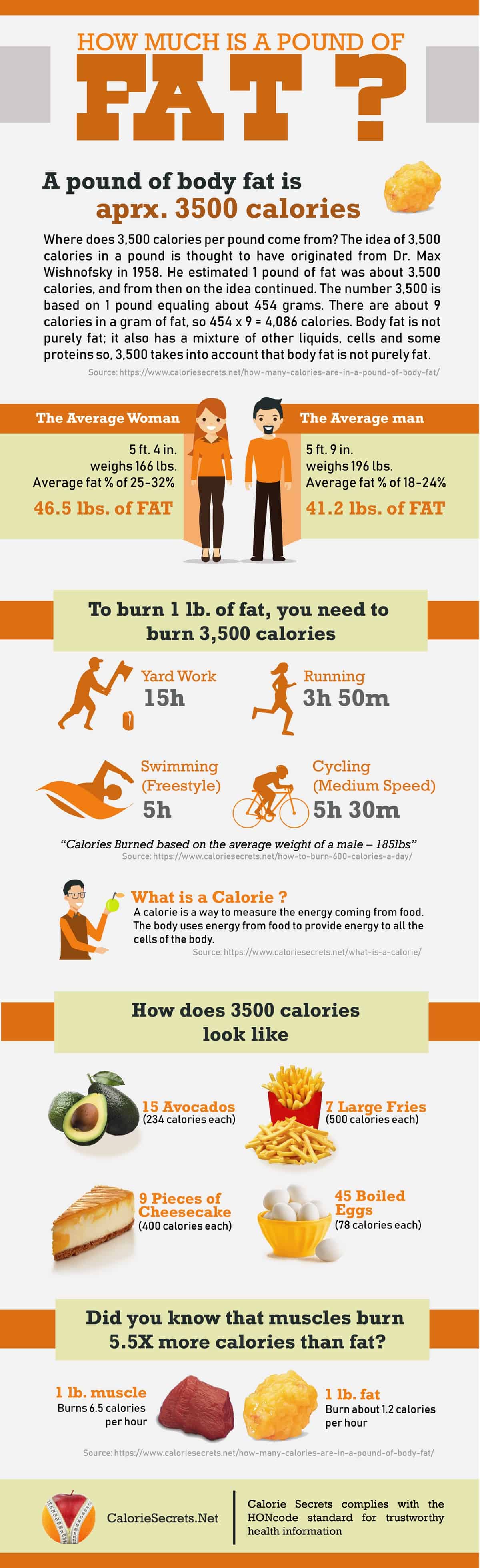
- Energy Storage: They provide more than double the energy per gram compared to carbohydrates and proteins, making them efficient for long-term energy storage.
-
- Cell Structure and Function: As integral parts of cell membranes, lipids are involved in creating barriers and mediating cellular processes, including transport, signaling, and adhesion.
-
- Thermal Insulation and Protection: Adipose tissue, rich in fats, acts as an insulator for the body, while subcutaneous fat provides a layer of protection for organs.
Conclusion
The study of lipids reveals their indispensable nature in both structural and functional capacities within organisms. From serving as key elements in cell membranes to acting as energy reserves, lipids are vital to maintaining life. Their presence in dietary sources underscores the need for balanced consumption to harness their benefits while avoiding excessive accumulation.
FAQs
Q1: Are all lipids bad for health?
A1: Not at all. While excessive intake of certain types can lead to health issues, many are essential for bodily functions. Balance and moderation are key.
Q2: How do lipids affect heart health?
A2: Consuming healthy fats like those in olive oil can reduce the risk of heart disease. However, trans fats should be avoided as they can increase heart disease risk.
Q3: What foods are rich in healthy lipids?
A3: Foods like avocados, nuts, seeds, and fish are rich in beneficial fats that promote good health.
For more detailed exploration into lipids and their impact on health, visit reliable sources such as Harvard T.H. Chan School of Public Health and The American Heart Association for further information.
BIG SALE | FAST SHIPPING
HOT PROMOTIONS!


ZPHC UltraMix 10ml MultiUse Vial 1ml = 250mg

Original price was: $ 255.00.$ 179.00Current price is: $ 179.00.

CROWX 👑 CLOMIROW 50 Mg / 50 Tabs ( Clomid )
Original price was: $ 79.00.$ 69.00Current price is: $ 69.00.



CLOMID 50MG FIERCE 50 TABLETS

Original price was: $ 129.00.$ 119.00Current price is: $ 119.00.
Lipids are a diverse group of organic compounds primarily composed of hydrocarbons, making them hydrophobic or insoluble in water. They play a pivotal role in biological systems, serving as key structural components of cell membranes, with phospholipids forming lipid bilayers that provide a barrier and matrix for protein function. Beyond their structural roles, lipids are crucial for energy storage, with triglycerides in adipose tissues acting as long-term energy reserves that can be metabolized to meet the body’s energy needs. Additionally, lipids are involved in signaling pathways; for instance, steroid hormones, which are derived from cholesterol, regulate numerous physiological processes. Lipids also contribute to insulation and protection of organs, with adipose tissue serving as a cushion and thermal barrier. Thus, lipids are integral to the maintenance of essential functions in living organisms, underlining their importance across a variety of biological contexts.