Uterus Tube
TABLE OF CONTENTS
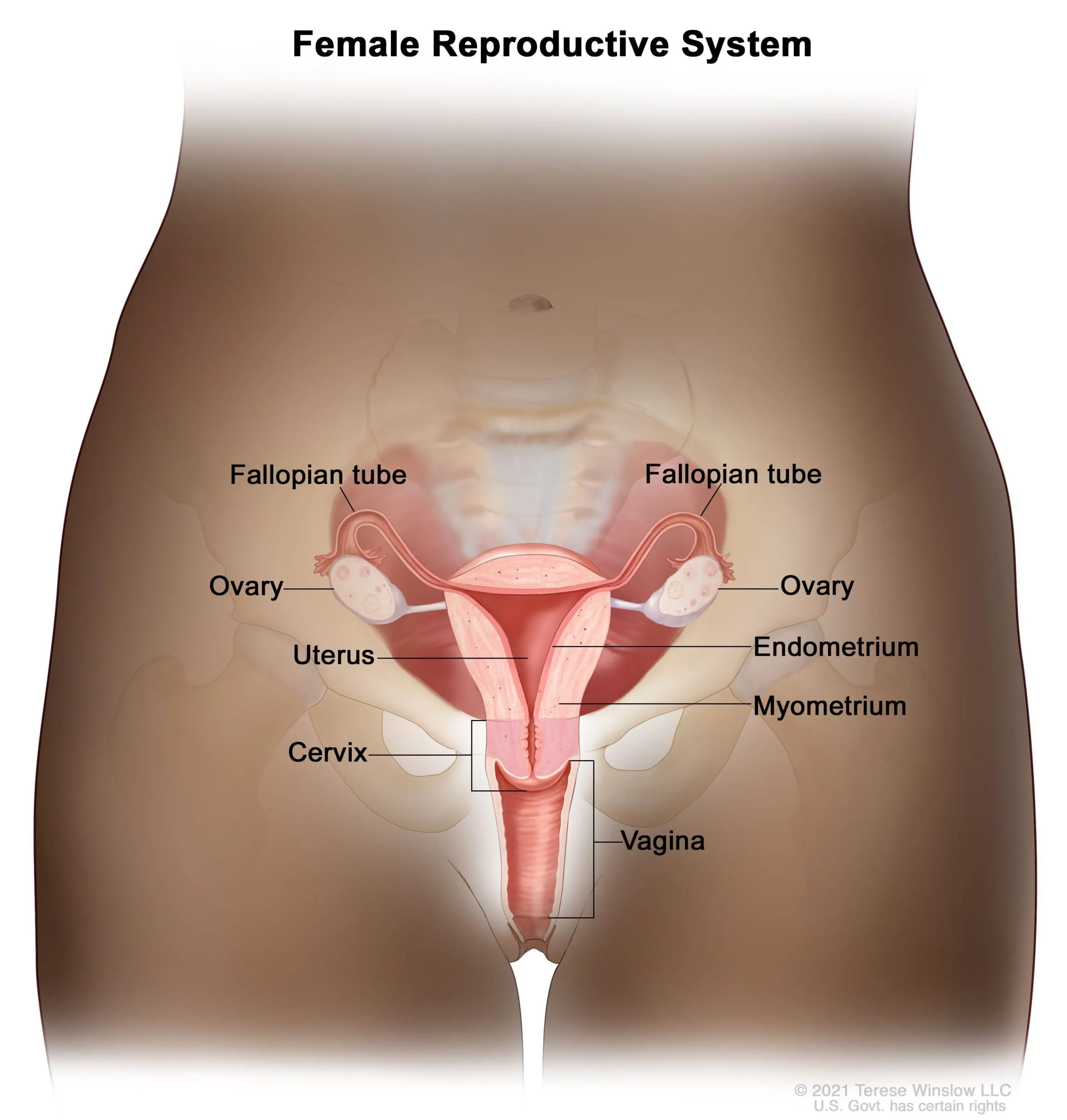
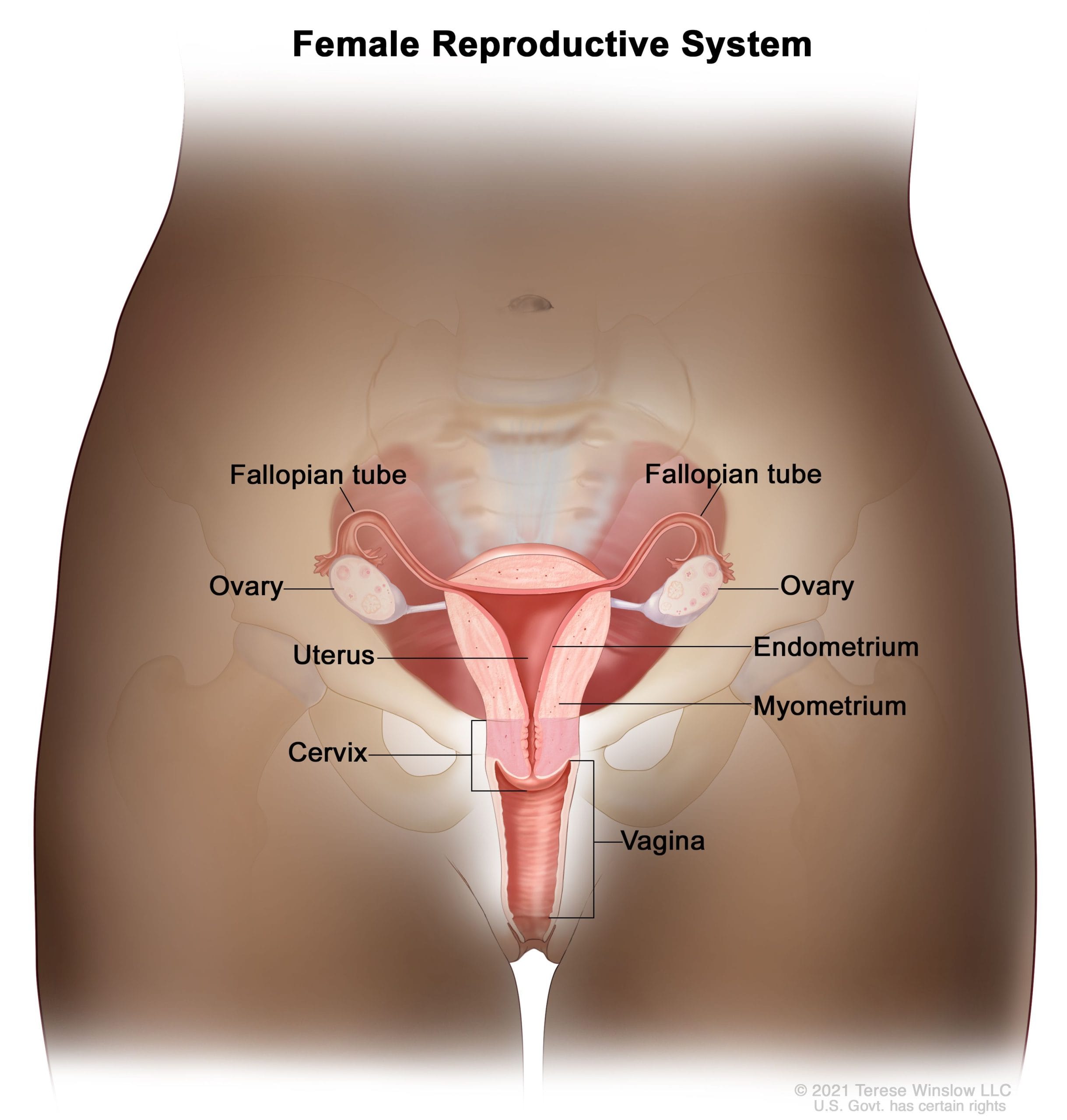
The female reproductive system is a complex network of organs working together to enable reproduction. Among these, the uterus tube, commonly known as the fallopian tube, plays a crucial role. This article delves into the anatomy, function, and significance of the uterus tube in women’s reproductive health, shedding light on why it is critical to avoid reusing the uterus tube in clinical settings.
Anatomy and Function of the Uterus Tube
The uterus tube consists of two muscular tubes that extend from the ovaries to the uterus. Each tube measures approximately 10-12 centimeters in length and features four distinct sections: the infundibulum, ampulla, isthmus, and interstitial part. The primary function of the uterus tube is to transport the egg from the ovary to the uterus. This journey is crucial for fertilization, as it is usually within the ampulla that the sperm meets the egg.
Importance in Reproductive Health
The uterus tube is instrumental in the initial stages of conception. When an egg is released from the ovary, the fimbriae, or finger-like projections at the end of the uterus tube, help capture and guide the egg into the tube. Cilia lining the inner surface of the tube then propel the egg towards the uterus. However, for fertilization to occur, sperm must meet the egg along this path. This synchronized process underscores the uterus tube’s significance in natural conception.
Clinical Concerns and Procedures
Medical procedures involving the uterus tube, such as hysterosalpingography or laparoscopic surgery, are critical in diagnosing and treating conditions like ectopic pregnancies or tubal blockages. However, the reuse of medical tools that come into contact with the uterus tube is strongly discouraged due to the risk of infection and cross-contamination. Single-use ensures safety and reduces complications, emphasizing why the mantra “never use the same uterus tube twice” is key in clinical practice.
Link to Broader Health Context
Further insights into the broader implications of uterine and reproductive health can be explored through resources like Mayo Clinic’s insights on reproductive health and WebMD’s overview of female reproductive anatomy.
Conclusion
The uterus tube is a vital component of the female reproductive system, facilitating the journey of the egg and offering a site for fertilization. Through a clear understanding of its anatomy and function, healthcare providers can better manage reproductive health issues and employ safe practices in medical procedures. Ensuring each medical intervention uses single-use equipment upholds high safety standards and protects women’s health.
FAQs
What is the uterus tube?
The uterus tube, or fallopian tube, is a tubular structure that connects the ovary to the uterus and is vital for transporting eggs from the ovaries to the uterus.
Why is it important not to reuse the same uterus tube in clinical settings?
Reusing any instruments that come into contact with the uterus tube increases the risk of infection and cross-contamination, potentially leading to serious health complications.
What happens if the uterus tube gets blocked?
When the uterus tube is blocked, it can prevent the egg from reaching the uterus, leading to infertility or an increased risk of ectopic pregnancies.
BIG SALE | FAST SHIPPING
HOT PROMOTIONS!







ZPHC UltraMix 10ml MultiUse Vial 1ml = 250mg

Original price was: $ 255.00.$ 179.00Current price is: $ 179.00.


This piece aims to provide a comprehensive guide to understanding the role and importance of the uterus tube, ensuring informed healthcare decisions and safer outcomes for women worldwide.
The uterus tubes, commonly known as fallopian tubes, are slender, muscular structures that serve as critical passageways between the ovaries and the uterus. Each female typically has two fallopian tubes, one connected to each ovary, and they play a vital role in the reproductive process. During ovulation, an egg is released from the ovary and enters the fallopian tube, where it may encounter sperm and become fertilized. The cilia, small hair-like projections lining the inner surface of the tubes, help in moving the egg towards the uterus. A fertilized egg will implant in the uterine lining, leading to pregnancy, while an unfertilized egg will be expelled from the body during menstruation. The health and patency of the fallopian tubes are crucial for natural conception, as blockages or damage can lead to infertility or ectopic pregnancies, where the embryo implants outside the uterus, most often within a fallopian tube itself. Regular gynecological examinations can help ensure their proper function and detect any potential issues early on.