What You Need to Know About Testosterone Therapy Pricing
TABLE OF CONTENTS

Testosterone therapy has become an increasingly popular treatment for those looking to address issues related to low testosterone levels. From boosting energy and mood to improving muscle mass, the benefits are numerous. However, an important factor that needs consideration is the therapy’s financial implications. This article delves into different facets of testosterone therapy cost to help individuals make an informed decision.
Factors Affecting Testosterone Therapy Cost
The price of testosterone therapy can vary drastically based on a host of factors. The type of testosterone treatment prescribed is one primary determinant. Options include injections, topical gels, patches, and implantable pellets, each presenting different costs. Additionally, geographical location can influence the price, as can the healthcare provider’s expertise and the frequency of treatment sessions.
Monthly Breakdown of Testosterone Therapy Cost
Monthly expenses can range significantly. Injections, one of the more common methods, may range from $30 to $150 monthly. Topical treatments, such as gels or creams, can cost between $200 and $500 each month. Implantable pellets, known for longer-lasting effects, lean towards the higher end, averaging around $500 to $1,000 per treatment session.
Long-Term Considerations in Testosterone Therapy Cost
It’s crucial to weigh long-term considerations. While some may initially opt for a more affordable method, specific treatments could incur higher costs over time due to frequency or additional healthcare visits. Evaluating the long-term financial commitment against the expected benefits can help in making a strategic healthcare decision.
Insurance and Reduction Methods
Insurance can play an essential role in reducing the overall testosterone therapy cost. Policies vary widely, so it’s vital to check whether testosterone therapy is covered under your health plan. Moreover, discussing discount programs or payment plans with your healthcare provider can also offer some financial relief.
Conclusion
Understanding the cost of testosterone therapy requires consideration of various factors. From the form of treatment and frequency to geographical influence and insurance coverage, each aspect plays a role in shaping the final expenses. Being well-informed helps in managing these costs more effectively, ensuring that the treatment remains both beneficial and affordable.
FAQs
1. Is testosterone therapy covered by insurance?
Coverage can vary significantly between different insurance providers and plans. It is advisable to consult with your insurer to understand the specifics of your coverage.
2. What should I consider when evaluating testosterone therapy cost?
Consider the type of therapy, treatment frequency, geographical location, and provider expertise. Also, evaluate long-term costs versus benefits.
3. Can I negotiate costs for testosterone therapy?
Many clinics may offer payment plans or discounts. It’s worth discussing your financial situation with your provider to explore potential cost-saving options.
BIG SALE | FAST SHIPPING
HOT PROMOTIONS!
ZPHC UltraMix 10ml MultiUse Vial 1ml = 250mg

Original price was: $ 255.00.$ 179.00Current price is: $ 179.00.
CROWX 👑 CLOMIROW 50 Mg / 50 Tabs ( Clomid )
Original price was: $ 79.00.$ 69.00Current price is: $ 69.00.
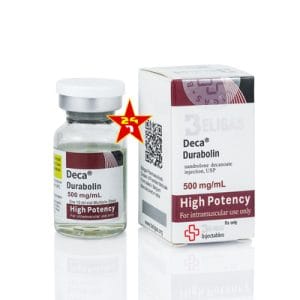
STADA MEGA CUTS BLEND 300 MG 10ML (TRENBOLONE)
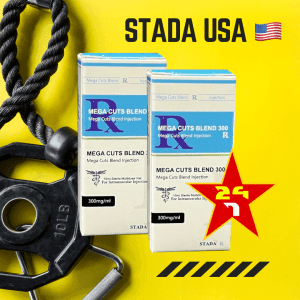
Original price was: $ 129.00.$ 119.00Current price is: $ 119.00.
ZPHC UltraMix 1ml amps x 10 amps - 1ml = 250mg
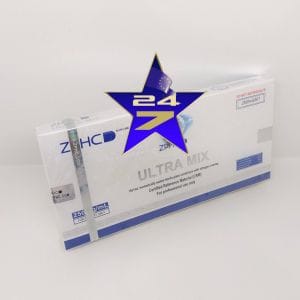
Original price was: $ 259.00.$ 179.00Current price is: $ 179.00.
Beligas 10ml Vial Testosterone NPP Blend 150mg

Original price was: $ 119.00.$ 99.00Current price is: $ 99.00.
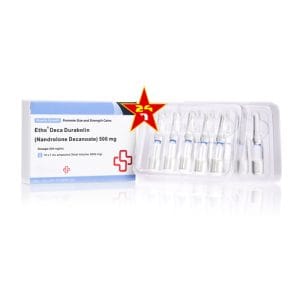
Fierce nandrolone decanoate 300 / ml 10ml
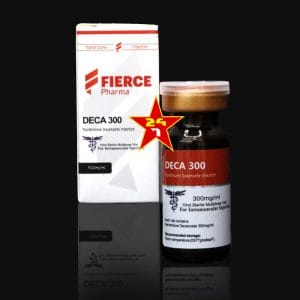
Original price was: $ 131.00.$ 119.00Current price is: $ 119.00.

Testosterone therapy, often sought by individuals experiencing low testosterone levels or those with conditions like hypogonadism, can vary significantly in cost depending on several factors such as the type of therapy, dosage, frequency, and geographical location. On average, patients might expect to pay anywhere from $30 to $100 per month for testosterone injections, which are the most common form of therapy. Other methods, such as patches or gels, can range from $200 to $500 per month. Pellet therapy, which involves the insertion of testosterone-releasing pellets under the skin, might cost between $500 and $2,000 every three to six months. Insurance coverage can substantially reduce out-of-pocket expenses, but it varies widely depending on the policy and whether the therapy is deemed medically necessary. Additionally, initial consultations, lab tests, and follow-up appointments can add to the overall cost, making comprehensive price considerations essential for those considering testosterone therapy.