
Women With Low Testosterone Symptoms

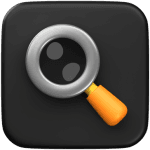
Testosterone, typically associated with male biology, plays a pivotal role in women’s health as well. Women produce testosterone in their ovaries and adrenal glands, albeit in smaller quantities than men. This hormone significantly impacts multiple bodily functions, including mood, energy levels, and overall well-being. Women with low testosterone symptoms
BIG SALE | FAST SHIPPING
HOT PROMOTIONS!

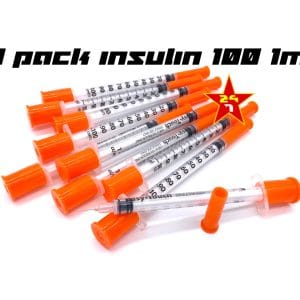


ZPHC UltraMix 1ml amps x 10 amps - 1ml = 250mg

Original price was: $ 259.00.$ 179.00Current price is: $ 179.00.


FIERCE CLOMID 50MG 50CAPS

Original price was: $ 129.00.$ 119.00Current price is: $ 119.00.
Common Symptoms
1. Fatigue and Low Energy Levels:
Women with low testosterone symptoms often report persistent fatigue and a lack of energy that cannot be explained by other factors. This drop in energy can affect all aspects of life, from work productivity to leisure activities.
2. Mood Changes:
Mood swings or periods of depression may also be indicative of low testosterone. Women may find themselves feeling irritable or anxious without a clear trigger. These emotional fluctuations can lead to feelings of isolation or stress, compounding the issue further.
3. Decreased Libido:
A notable symptom for many women with low testosterone is a reduced sexual drive. Testosterone is key in regulating sexual desire, and a decrease can lead to dissatisfaction or difficulties in relationships.
4. Weight Gain and Muscle Weakness:
While perhaps less obvious, changes in body composition such as increased fat mass and reduced muscle strength can be significant indicators. Women may struggle with unexplained weight gain or find it difficult to build or maintain muscle despite regular exercise.
5. Cognitive Difficulties:
Some may experience “brain fog,” characterized by difficulty concentrating, forgetfulness, or a lack of mental clarity. This can have far-reaching impacts, especially in professional settings.
Conclusion
Awareness among women with low testosterone symptoms is crucial to ensure timely diagnosis and appropriate treatment. Hormone replacement therapy or lifestyle changes can provide relief from many of these symptoms. However, each individual’s health landscape is unique, necessitating personalized consultation with a healthcare provider. If you suspect hormonal imbalances, it is essential to seek professional guidance to explore options and improve quality of life.
FAQs
Q1. What causes low testosterone in women?
A: Factors include aging, adrenal insufficiency, and surgical removal of the ovaries. Stress and certain medical conditions may also contribute. Learn more about causes.
Q2. How is low testosterone diagnosed in women?
A: Diagnosis typically involves evaluating symptoms and conducting blood tests to measure hormone levels. Regular monitoring is essential to tailor treatment effectively.
Q3. Can lifestyle changes improve low testosterone symptoms?
A: Yes, regular exercise, a balanced diet, and adequate sleep can help manage symptoms. Stress reduction techniques such as yoga or meditation are also beneficial.
Q4. Is hormone replacement therapy safe?
A: While hormone replacement can be effective, it is not suitable for everyone. Consulting with a healthcare provider ensures that the benefits outweigh the risks. Read more about treatment options.
By understanding and addressing these symptoms, women can regain control over their health and improve their day-to-day experiences.
Disclaimer:
The information provided in this article is for educational purposes only and is not intended as a substitute for professional medical advice.
Women with low testosterone levels can experience a range of symptoms that significantly impact their overall well-being. While testosterone is often associated with male health, it plays a crucial role in women’s hormonal balance, contributing to energy levels, mood regulation, and sexual health. Symptoms of low testosterone in women can include persistent fatigue, decreased sexual desire, mood swings, and a general sense of lethargy. Additionally, low testosterone may lead to muscle weakness, difficulties in concentration, and an increase in body fat, particularly around the abdomen. These symptoms can often overlap with other hormonal imbalances, making diagnosis challenging. Therefore, it’s essential for women experiencing such symptoms to consult healthcare providers for comprehensive evaluation and potential hormonal assessments to ensure appropriate treatment and management strategies are pursued.