A Guide to the Best Locations for Testosterone Injections
TABLE OF CONTENTS

Understanding Testosterone Shots
Testosterone replacement therapy (TRT) has become a popular treatment for individuals suffering from low testosterone levels, a condition known as hypogonadism. Administering testosterone shots effectively is crucial to ensure optimal absorption and minimize discomfort or complications. One frequent question arises among those starting TRT: what is the best place for a testosterone shot?
Best Place for Testosterone Shot
Ensuring the testosterone injections are administered in the right location can significantly impact their efficacy and minimize potential side effects. The best place for a testosterone shot primarily depends on muscle size and convenience, as larger muscles tend to absorb the hormone more effectively. Here are some areas generally recommended:
-
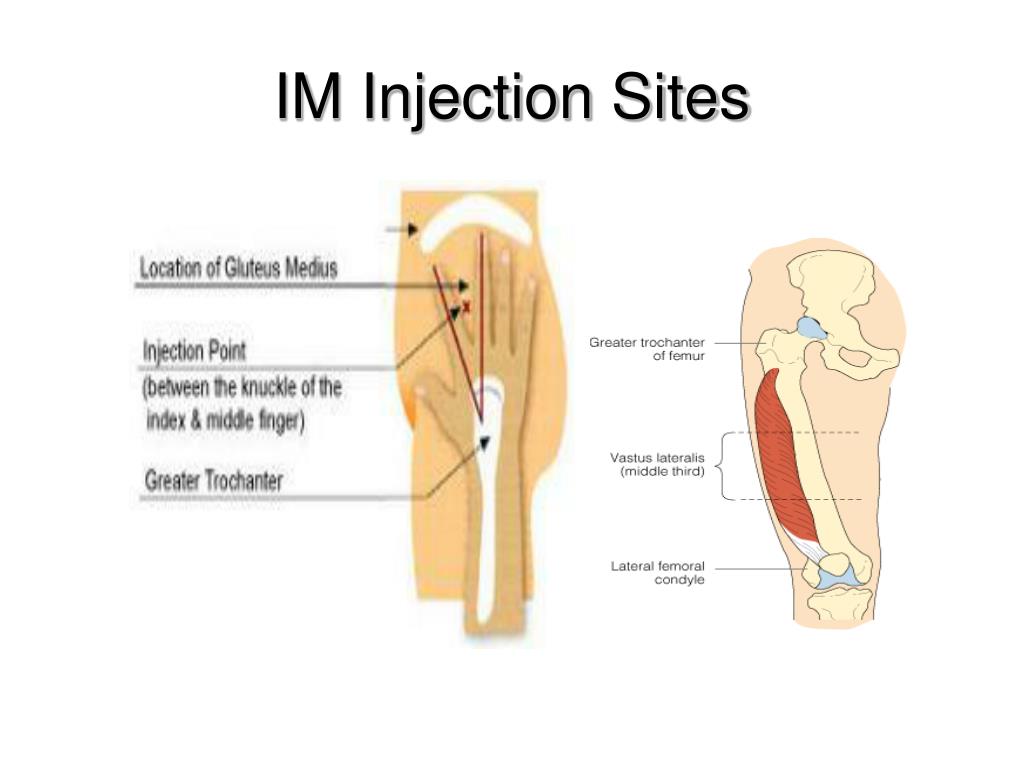
- Gluteal Muscles (Buttocks): Often considered the best place for a testosterone shot, the gluteal muscles provide a large area for intramuscular injections. They’re preferred due to their size and muscle thickness, which can absorb the hormone at a balanced rate.
-
- Vastus Lateralis (Thigh): The outer thigh, or vastus lateralis, is another common site. While easily accessible for self-administration, care must be taken to avoid nerves and ensure the injection goes into the muscle rather than subcutaneous fat.
-
- Deltoid Muscle (Upper Arm): The deltoid offers another option, particularly for those who might have issues with other sites. However, due to its smaller size compared to the gluteal muscles, rotating sites is important to avoid scar tissue buildup.
Importance of Site Rotation
For those administering regular testosterone injections, it’s crucial never to use the same best place for a testosterone shot twice consecutively. Rotating injection sites helps prevent complications such as scar tissue formation, injection site pain, and muscle damage. By selecting a different location each time, you not only ensure better absorption but also extend the health of the tissues involved.
Potential Risks and Considerations
While choosing the best place for a testosterone shot is essential, consideration of possible risks is also key:
-
- Infection: Ensure that the injection site is clean and sanitized to avoid infections.
-
- Nerve Damage: Knowledge of anatomy is important to avoid potential nerve damage, especially in the thigh and deltoid areas.
Conclusion
Selecting the best place for a testosterone shot plays a pivotal role in the success of testosterone replacement therapy. By rotating between the gluteal, thigh, and deltoid muscles, patients can maintain healthy tissue and maximize absorption. Consulting with a healthcare provider is always recommended to tailor the injection process to your specific needs.
BIG SALE | FAST SHIPPING
HOT PROMOTIONS!
Beligas 10ml Vial Testosterone NPP Blend 150mg

Original price was: $ 119.00.$ 99.00Current price is: $ 99.00.
FIERCE CLOMID 50MG 50CAPS
Original price was: $ 129.00.$ 119.00Current price is: $ 119.00.



ZPHC Clomid Clomiphene 25mg/tablet | 100 Tablets Total: 2500mg

Original price was: $ 159.00.$ 65.00Current price is: $ 65.00.

FAQs
1. Can I inject testosterone into my abdomen?
While the abdomen is a common site for subcutaneous injections, testosterone is typically administered intramuscularly, making other sites like the gluteal muscles more suitable.
2. How often should I rotate injection sites?
It’s advisable to never use the same best place for a testosterone shot consecutively. Rotation should happen with each injection to promote tissue health.
3. Can someone else administer my injections?
Yes, a healthcare provider or trained individual can administer your injections, especially if reaching certain areas is difficult.
For more information on TRT and its effects, you can visit WebMD’s guide or explore Mayo Clinic’s insights.
The best place for a testosterone shot is typically in the muscle of the thigh or the buttocks. These injection sites are chosen because they have large muscle masses that can absorb the hormone effectively and with minimal discomfort. The thigh, specifically the vastus lateralis muscle on the outer side, is easily accessible and allows individuals to administer the injection themselves if needed, providing convenience and ease of reach. The buttocks, particularly the upper outer quadrant of the gluteus maximus, is another preferred site often used by healthcare providers. This area is well-suited for intramuscular injections due to its substantial muscle tissue, which helps in the slow and steady absorption of testosterone. It’s important to rotate injection sites to prevent tissue damage and consult with a healthcare professional regarding proper injection techniques and guidelines for best results and safety.