Accutane 20 mg: A all-inclusive key to Treatment and Results
TABLE OF CONTENTS

Accutane 20 mg, also known as isotretinoin, is a potent medication primarily used to treat severe acne that hasn’t responded to other treatments. It falls under the category of retinoids, derived from Vitamin A, and works by reducing sebum production, preventing pore clogging, and combating bacterial growth on the skin.
How Accutane 20 mg Works
Accutane 20 mg targets the root causes of chronic acne: overactive sebaceous glands, acne-causing bacteria, and inflammation. By significantly reducing the amount of oil produced by these glands, Accutane helps in unclogging pores and reducing the occurrence of acne lesions. Its anti-inflammatory properties aid in healing existing breakouts and minimizing scarring, giving users clearer skin over time.
Who Should Consider Accutane 20 mg?
Accutane 20 mg is typically recommended for individuals with severe resistant nodular acne. It is also prescribed for patients whose acne leads to permanent scarring or causes significant psychological stress. Although highly effective, it’s not the first line of treatment due to possible side effects. Thus, it is usually considered after other acne treatments such as topical retinoids, antibiotics, or hormonal treatments have failed.
Potential Side Effects of Accutane 20 mg
While Accutane 20 mg can be a game-changer for many, it is not without potential risks and side effects. Common side effects include dry skin, chapped lips, and increased sensitivity to the sun. More serious side effects can include mood changes, depression, or gastrointestinal issues. Because of these risks, users must be under strict medical supervision throughout their treatment. Additionally, Accutane can cause birth defects, which is why it’s crucial for female users to adhere to strict pregnancy prevention protocols during the course.
Monitoring and Precautions
Patients prescribed with Accutane 20 mg need regular monitoring by their healthcare provider, including periodic blood tests to check liver function and lipid levels. This ensures that any adverse reactions or abnormalities are detected early. It is also important to follow any lifestyle modifications suggested by the doctor, such as avoiding vitamin A supplements, alcohol, or certain over-the-counter medications.
Conclusion
Accutane 20 mg is a powerful medication that offers hope to those struggling with severe, treatment-resistant acne. Although it carries potential risks, careful monitoring and adherence to precautionary measures can help mitigate these, making it a viable option for many acne sufferers. Consulting with a dermatologist and thoroughly understanding the benefits and risks associated with Accutane 20 mg is crucial before starting the treatment.
FAQs
Is Accutane 20 mg the right choice for everyone with acne?
No, Accutane 20 mg is not suitable for everyone. It is typically reserved for cases of severe acne that do not respond to other treatments. A consultation with a dermatologist is necessary to determine if it’s the right choice for you.
What should I avoid while taking Accutane 20 mg?
While on Accutane 20 mg, avoid using other acne medications unless advised by your physician. Also, stay away from tanning beds and extensive sun exposure due to increased sensitivity to UV rays. Avoid vitamin A supplements to prevent toxicity.
How long does the treatment with Accutane 20 mg last?
A typical course of Accutane 20 mg can last between 15 to 20 weeks, but this can vary based on individual response and dermatological guidelines. Periodic evaluations with your healthcare provider will determine the appropriate length of your treatment.
Where can I find more information about acne treatments?
For further reading, consider exploring resources such as the American Academy of Dermatology or Mayo Clinic, both offering comprehensive insights into acne treatments and skincare.
BIG SALE | FAST SHIPPING
HOT PROMOTIONS!



Fierce nandrolone decanoate 300 / ml 10ml
Original price was: $ 131.00.$ 119.00Current price is: $ 119.00.
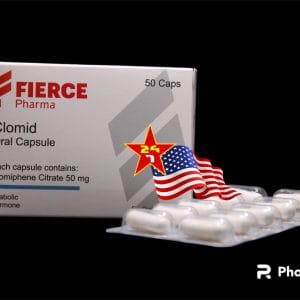
FIERCE CLOMID 50MG 50CAPS
Original price was: $ 129.00.$ 119.00Current price is: $ 119.00.

Accutane 20 mg, also known as isotretinoin, is a potent oral medication primarily used for the treatment of severe acne, particularly cystic acne that has not responded to other therapies. It works by significantly reducing the amount of oil released by sebaceous glands in the skin, thereby decreasing acne formation. Typically prescribed by dermatologists, this dosage is part of a carefully monitored regimen due to its powerful effects and potential for serious side effects, which may include dry skin, chapped lips, elevated liver enzymes, and risk of serious birth defects if taken during pregnancy. Patients on Accutane often undergo regular blood tests to monitor for adverse effects and are advised to follow strict guidelines regarding sun exposure, contraception, and concurrent use of other medications that may interact with isotretinoin. Despite the challenges, many users report dramatic improvements in their skin condition, making it a transformative treatment for those struggling with persistent, severe acne.