Accutane: How This Acne Medication Works and What to Expect
TABLE OF CONTENTS

Accutane, also known by its generic name isotretinoin, is a medication widely used for the treatment of severe acne that doesn’t respond to other treatments. This potent medication can deliver drastic improvements in skin clarity, making it a critical option for individuals plagued by persistent acne. However, it comes with a set of potential side effects and considerations that users need to be well aware of before starting the treatment.
How Accutane Works
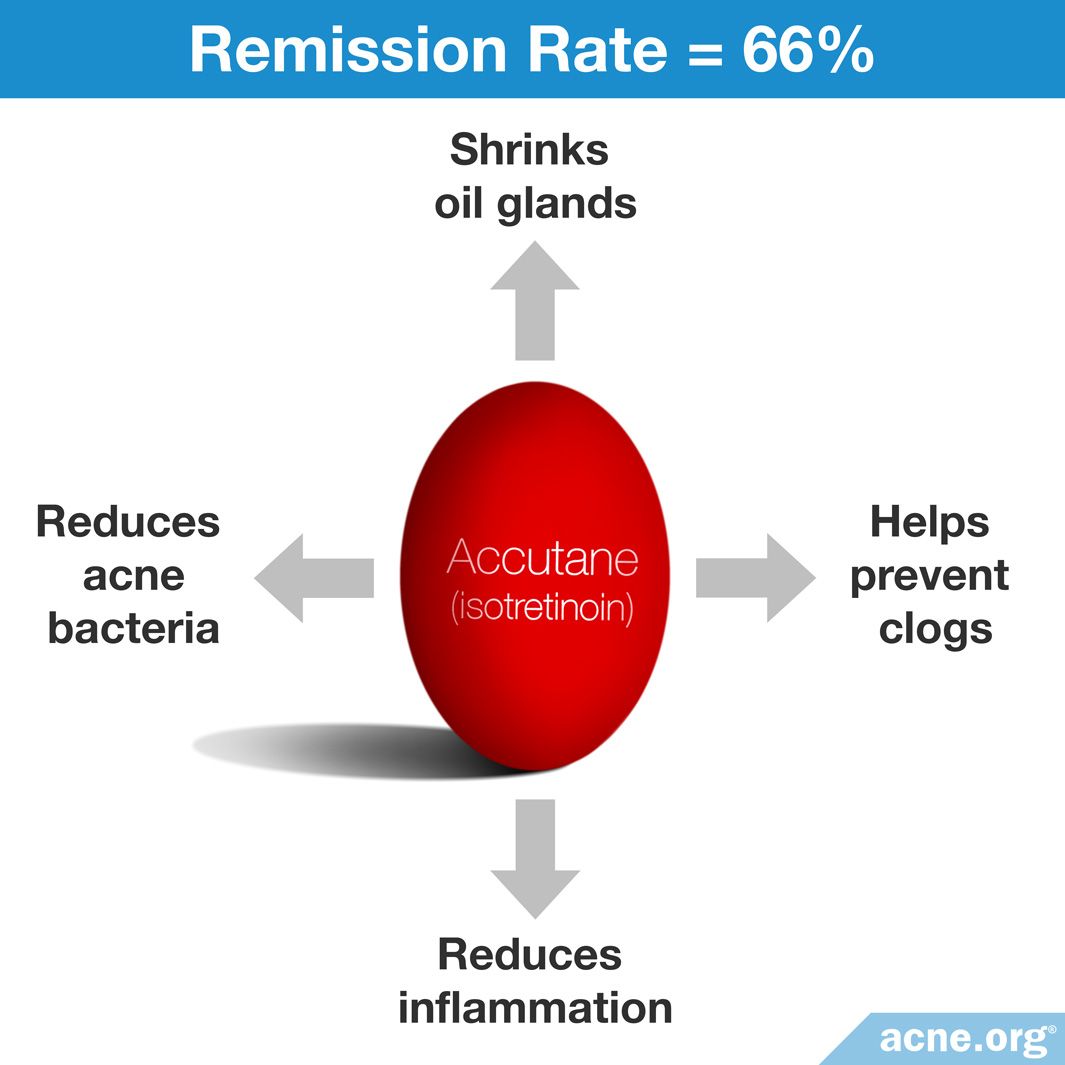
Accutane works by reducing the amount of oil released by the sebaceous glands in your skin, effectively shrinking these glands over time. This reduction in oil production helps in preventing the formation of acne. In addition, Accutane promotes the turnover of skin cells, which further helps in clearing up acne. The medication is usually taken orally in the form of a capsule, and the dosage varies depending on the severity of the condition and the patient’s weight.
Potential Side Effects of Accutane
While Accutane can be highly effective, it is known to have several potential side effects. These can range from mild to severe and might include dry skin, chapped lips, dry eyes, and nosebleeds. More serious side effects can include mood changes, headaches, and stomach pain. It is critical for patients to undergo regular blood tests to monitor their health while on Accutane. Pregnant women or those planning to become pregnant should not take Accutane as it can cause severe birth defects.
Conclusion
Accutane remains a vital tool in combating severe acne by drastically improving skin condition for many individuals. Though its side effects can be intimidating, with proper medical supervision and adherence to guidelines, it can be a safe and effective treatment for persistent acne. If you’re considering Accutane, ensure thorough discussions with your dermatologist to understand the risks and benefits fully.
FAQs about Accutane
- How long does a typical Accutane treatment last? A typical course lasts about 4 to 6 months, although this can vary based on individual response and severity of acne.
- Can I use other acne treatments while on Accutane? It is essential to consult with your dermatologist before combining treatments, as some can intensify side effects.
- Is it normal to experience worsening of acne before improvement? Yes, some patients may experience an initial flare-up of acne, but this usually subsides as treatment continues.
- What measures can be taken to manage side effects? Staying hydrated, using moisturizers, and wearing sunscreen can help manage dryness and sensitivity caused by Accutane.
For a deeper understanding of Accutane, check out the following resources:
BIG SALE | FAST SHIPPING
HOT PROMOTIONS!

CLOMID 50MG FIERCE 50 TABLETS

Original price was: $ 129.00.$ 119.00Current price is: $ 119.00.


CLOMIPHENE TABLETS 50mg 50 TABLETS FIERCE

Original price was: $ 99.00.$ 89.00Current price is: $ 89.00.

Accutane, also known as isotretinoin, is a potent oral medication primarily used to treat severe acne that has not responded to other treatments. Originally approved by the FDA in 1982, it works by decreasing oil production in the sebaceous glands, reducing inflammation, and promoting skin renewal. While highly effective, with many users experiencing long-term remission of acne, Accutane is associated with significant side effects, which necessitates careful patient selection and monitoring. The most notable of these are teratogenic risks, meaning that it can cause severe birth defects if taken during pregnancy. As a result, strict regulatory measures, such as the iPLEDGE program in the United States, have been implemented to prevent fetal exposure. Common side effects include dry skin, lips, and eyes, while more serious potential effects include elevated liver enzymes and mental health changes. Despite these concerns, Accutane remains a valuable treatment option for those afflicted by severe acne, offering the possibility of clear skin and improved quality of life.