Breaking Down the Differences: Trestolone Acetate vs. Testosterone
TABLE OF CONTENTS

In the world of bodybuilding and fitness, understanding trestolone vs testosterone is vital for anyone looking to enhance their physique or optimize their performance. Both are potent anabolic steroids that play a significant role in influencing muscle mass, fat distribution, and overall male enhancement. However, each has its unique properties, benefits, and drawbacks. Let’s break down these two powerful compounds to help you decide which might be right for your goals. 🏋️♂️
Understanding Trestolone (MENT)
Trestolone, also known as MENT, is one of the most potent anabolic steroids available today. Originally developed for male contraception, it has gained popularity in the bodybuilding community for its ability to promote rapid muscle growth and fat loss. Unlike testosterone, trestolone does not convert to dihydrotestosterone (DHT) or estrogen, which minimizes some common side effects like hair loss and gynecomastia.
MENT does not require conversion to achieve its anabolic effects, allowing it to exert its effects directly on muscle tissue. This characteristic makes it a favorable choice for those seeking quick results in terms of muscle mass and strength gain. However, its potency also comes with a higher risk of side effects, which makes professional supervision crucial when using trestolone. 💪
Exploring Testosterone
Testosterone is the primary male sex hormone and an anabolic steroid that naturally occurs in the body. It plays a significant role in developing male reproductive tissues, increasing muscle mass, and enhancing bone density. Testosterone supplementation is commonly used to combat low testosterone levels and is also favored by athletes and bodybuilders to boost performance and physique.
The main benefit of testosterone lies in its extensive research and well-documented effects, making it a safe and typically well-tolerated option when used responsibly. However, testosterone does convert to estrogen and DHT, which can lead to side effects like water retention and hair loss.
Conclusion
Deciding between trestolone and testosterone largely depends on individual goals and tolerance for potential side effects. Trestolone offers faster muscle gains and reduced conversion-related side effects but requires careful management and professional guidance due to its potency. Testosterone, while less potent, offers a more natural alternative that complements the body’s physiology more closely. Both should be used judiciously within a safe and legal framework. 🤔
FREE SHIPPING
CLICK HERE!
HOT PROMOTIONS!


CROWX 👑 SUSTAROW 300 MG/ 10 ML Vial SUSTANON
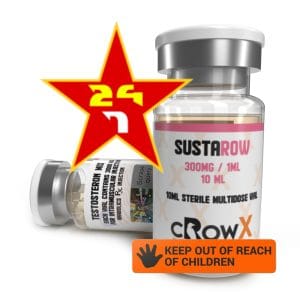
Original price was: $ 109.00.$ 99.00Current price is: $ 99.00.
AXIOM ANAVAR OXANDROLONE 50MG 50 TABLETS
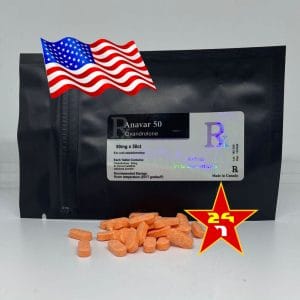
Original price was: $ 140.00.$ 129.00Current price is: $ 129.00.

FAQs
Is trestolone legal?
Trestolone is not approved by the FDA for human use and is considered a research chemical. Its legal status can vary by country.
Can I use testosterone for muscle growth?
Yes, testosterone is often used by athletes and bodybuilders for muscle growth and performance enhancement when prescribed by a healthcare professional, but it should be used responsibly.
What are the side effects of trestolone vs testosterone?
Trestolone can cause more severe side effects due to its potency, while testosterone may lead to estrogen-related side effects. Both should be used with caution.
Which is better for bodybuilding: trestolone or testosterone?
This depends on your specific goals and medical history. Consultation with a healthcare provider is recommended to make an informed choice.
Trestolone, also known as 7α-methyl-19-nortestosterone (MENT), is a synthetic androgen that has been garnering attention as an alternative to testosterone, particularly in areas like male contraception and hormone replacement therapy. Unlike testosterone, trestolone does not convert to dihydrotestosterone (DHT), a potent androgen often linked to male pattern baldness and other androgenic effects. This attribute makes trestolone potentially more favorable for minimizing certain side effects typically associated with testosterone administration. Additionally, trestolone exhibits greater anabolic activity than testosterone, making it attractive for bodybuilders and athletes looking to enhance muscle growth and performance; however, it must be noted that its use in this context is largely unregulated and may carry significant health risks. Moreover, because trestolone does not aromatize into estrogen, it bypasses issues like gynecomastia, which some testosterone users experience. Nevertheless, trestolone’s long-term safety and efficacy remain under study, and its usage outside of clinical applications should be approached with caution.