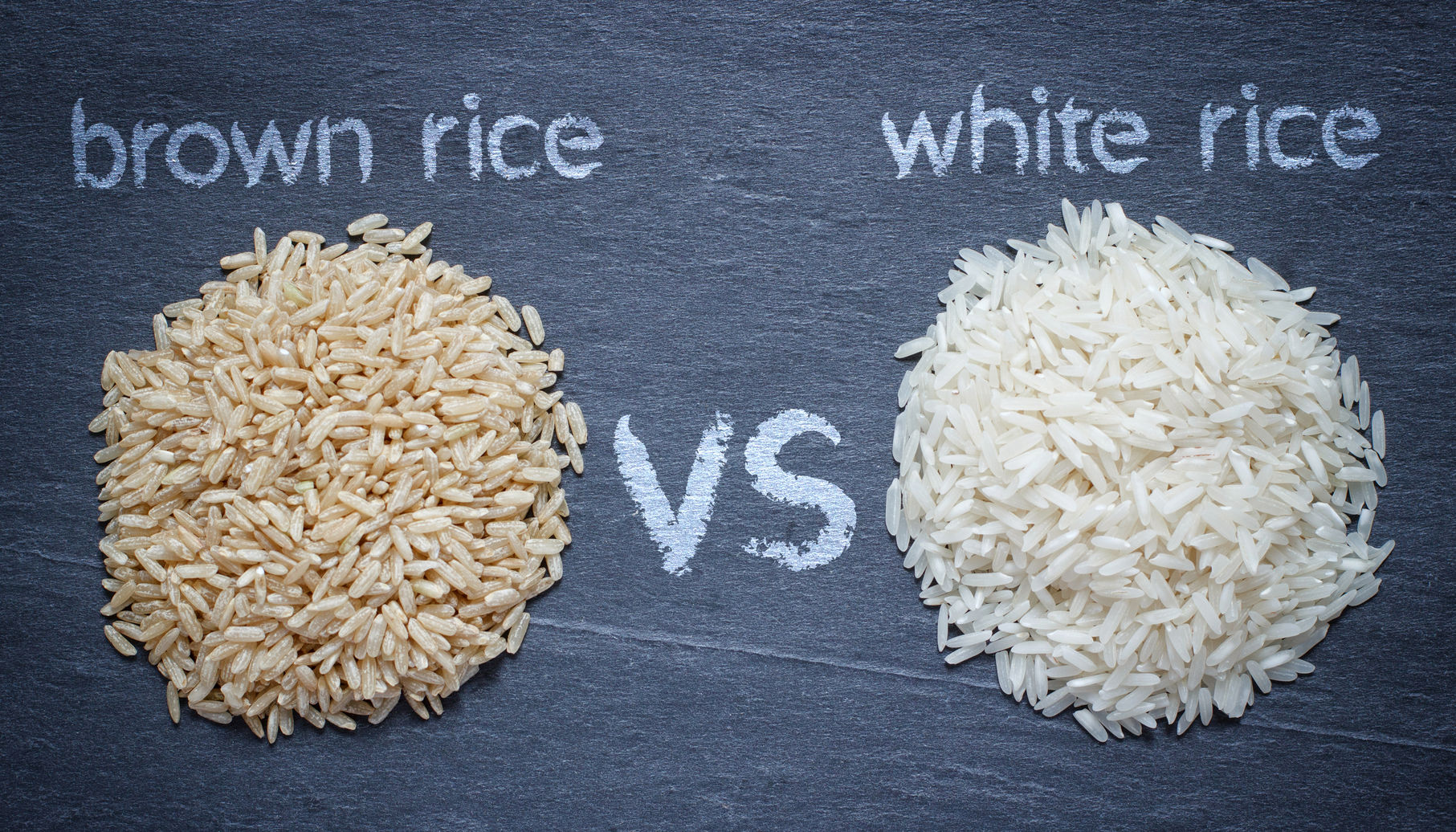
Brown vs. White Rice: Which Is Better for Your Health?
TABLE OF CONTENTS

Brown vs White Rice: A Nutritional Examination
Rice is a staple food for more than half of the world’s population, serving as a vital carbohydrate source. Among the various types of rice available globally, brown and white rice occupy prominent shelves in kitchens. Although they come from the same grain, their nutritional content and health benefits can significantly differ, influencing dietary choices. This article delves into the differences between brown vs white rice to aid better consumption choices.
Nutritional Differences
Brown Rice: Brown rice remains unpolished, retaining its bran and germ. This outer layer is rich in fiber, vitamins, and minerals, transforming it into a whole grain. It is particularly known for its abundance of magnesium, phosphorus, selenium, thiamine, niacin, and vitamin B6. The fibrous content aids digestion and promotes a feeling of fullness, which can be beneficial for weight management.
White Rice: White rice, on the other hand, undergoes a stripping process to remove the bran and germ, leaving it polished. This process prolongs its shelf life but also reduces its nutrient profile. Typically, white rice is fortified with vitamins such as iron and some B vitamins, although it still lacks the natural nutrients found in its brown counterpart. This transformation makes white rice softer and quicker to cook.
Glycemic Index
The glycemic index is a pivotal factor when considering brown vs white rice, especially for individuals managing diabetes or metabolic conditions. Brown rice has a lower glycemic index compared to white rice, leading to slower sugar absorption in the bloodstream. This property assists in maintaining stable blood sugar levels, making brown rice a favorable option for those monitoring their glucose intake.
Flavor and Culinary Uses
The choice between brown and white rice often extends beyond nutrition to the realm of taste and texture. Brown rice boasts a nuttier flavor and a chewier texture, which can add depth to dishes. Conversely, white rice’s mild taste and fluffy consistency make it a versatile ingredient suitable for absorbing flavors in diverse cuisines ranging from Asian to Latin American dishes.
Conclusion
In the tug-of-war between brown vs white rice, individual dietary needs and preferences largely dictate the best choice. While brown rice edges out with its higher nutritional content and health benefits, white rice offers culinary advantages and faster cooking times. Understanding the distinctions helps consumers make informed choices aligned with their health goals and taste preferences.
BIG SALE | FAST SHIPPING
HOT PROMOTIONS!

Beligas 10ml Vial Testosterone NPP Blend 150mg

Original price was: $ 119.00.$ 99.00Current price is: $ 99.00.
ZPHC UltraMix 10ml MultiUse Vial 1ml = 250mg

Original price was: $ 255.00.$ 179.00Current price is: $ 179.00.

STADA MEGA CUTS BLEND 300 MG 10ML (TRENBOLONE)

Original price was: $ 129.00.$ 119.00Current price is: $ 119.00.




FAQs
Why is brown rice considered healthier than white rice?
Brown rice is often deemed healthier because it preserves the bran and germ, containing higher amounts of fiber, vitamins, and minerals.
Is white rice suitable for people with dietary restrictions?
White rice can fit into various dietary restrictions if consumed in moderation. It is often enriched to enhance its nutrient profile, making it a convenient option for those preferring a softer texture or quicker meal preparation.
Can I replace white rice with brown rice in all recipes?
While brown rice can replace white rice in many recipes, its distinct texture and flavor might alter the dish’s final taste. Cooking time adjustments may also be necessary due to its longer preparation time.
Brown rice and white rice are both popular staples in many diets around the world, but they differ notably in their nutritional content and processing. Brown rice is considered a whole grain, as it retains its bran and germ layers, which are typically rich in fiber, vitamins, and minerals such as magnesium and B vitamins. This makes it a more nutrient-dense option compared to white rice, which has these outer layers removed during processing, leaving behind primarily the starchy endosperm. As a result, white rice is often softer in texture and quicker to cook, but it has a higher glycemic index, which can lead to quicker spikes in blood sugar. Many people prefer white rice for its milder flavor and versatility in culinary applications, while health-conscious individuals may opt for brown rice for its additional health benefits, including better digestive health and potentially improved heart health due to its fiber content. Some manufacturers also fortify white rice with vitamins and minerals to compensate for the loss during processing, making it a viable option for those looking for a more refined texture without completely sacrificing nutritional value.