
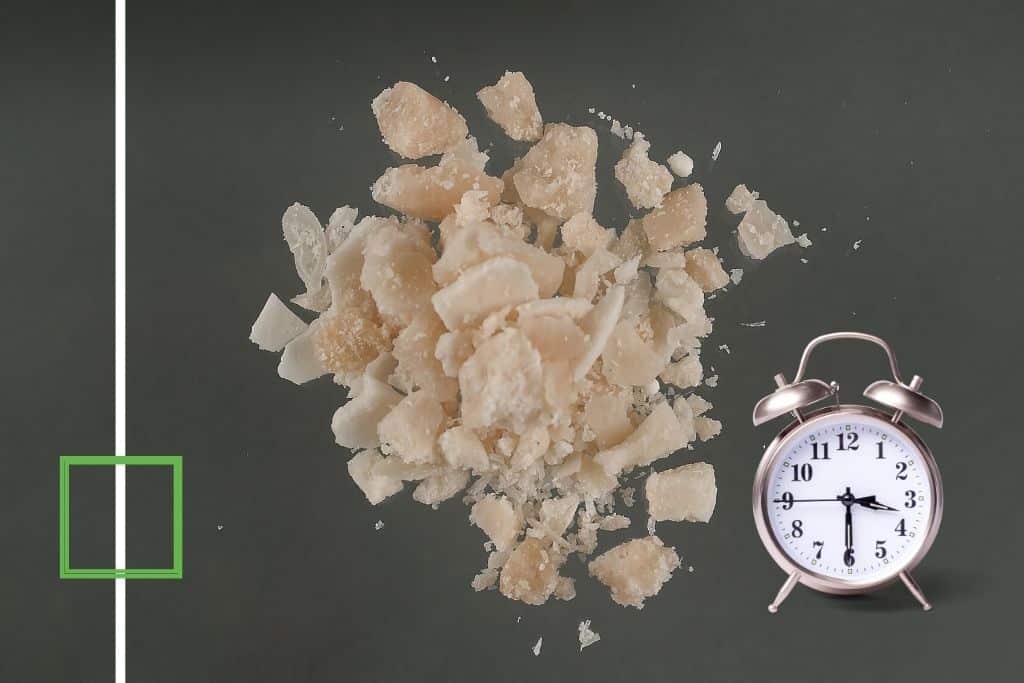
Cocaethylene: The Substance Created by Mixing Alcohol and Cocaine
Cocaethylene is a unique metabolic substance formed in the liver when alcohol and cocaine are consumed simultaneously. Unlike consuming cocaine or alcohol individually, the combination creates this altered compound, leading to an intensified and prolonged euphoric state. Understanding the differences and potential risks of cocaethylene, in comparison to cocaine, is crucial for informing safer practices and reducing harm.
The Chemistry Behind Cocaethylene Alcohol vs Cocaine
Cocaine, a potent stimulant, is well-known for its impact on increased energy and alertness. However, when mixed with alcohol, a different substance, cocaethylene, is created. This resultant compound exhibits distinct chemical properties. Cocaethylene takes longer for the body to break down compared to cocaine, allowing its effects to linger longer. This prolonged effect underscores the distinction between cocaethylene alcohol vs cocaine in terms of their impacts on the human body.
Health Implications of Cocaethylene Alcohol vs Cocaine
The consumption of cocaethylene, compared to cocaine alone, poses a higher risk for serious health complications. The presence of cocaethylene significantly increases the cardiovascular burden, which can lead to severe heart complications, greater than those associated with cocaine or alcohol use independently. This amplifies the danger of heart attacks and strokes, highlighting the critical differences and risks surrounding cocaethylene alcohol vs cocaine.
Moreover, studies reveal that cocaethylene is more toxic than cocaine, with a more significant impact on liver health. Individuals using this combination face not only the direct health risks but also a heightened likelihood of developing addiction.
Behavioral Effects of Cocaethylene Alcohol vs Cocaine
The psychoactive impacts of cocaethylene result in an intensified sense of euphoria and increased aggression compared to using cocaine alone. Users often report feeling more confident and sociable. However, these perceived benefits come with heightened paranoia and impaired judgment, factors which underscore the complex psychological aspects of cocaethylene alcohol vs cocaine.
The interaction between these substances signifies an increased possibility of risky behaviors and can result in adverse outcomes, both socially and legally.
Conclusion
In summary, the use of cocaethylene—in contrast to cocaine alone—carries amplified risks and long-term health implications. While some may perceive the combined effects of cocaethylene alcohol vs cocaine as desirable, the dangers associated with this combination far outweigh any perceived benefits. The increased toxicity and significant health risks, especially concerning the heart and liver, should serve as a caution to users. Public awareness and education about these differences can help in reducing the incidence of such high-risk substance use.
Frequently Asked Questions
What is cocaethylene?
Cocaethylene is a compound formed in the liver when cocaine and alcohol are used simultaneously. It prolongs the euphoria and increases toxicity in the body compared to cocaine alone.
Is cocaethylene more dangerous than cocaine?
Yes. Cocaethylene is more toxic, increases heart strain, and poses greater health risks.
Can cocaethylene cause addiction?
The use of cocaethylene is highly addictive and can lead to severe substance dependence.
For more information on substance interactions, visit here.
Explore more details about the effects of cocaethylene here.
BIG SALE | FAST SHIPPING
HOT PROMOTIONS!

ZPHC UltraMix 1ml amps x 10 amps - 1ml = 250mg

Original price was: $ 261.00.$ 181.00Current price is: $ 181.00.

CROWX 👑 DECAROW 300 MG / 10 ML Vial (Nandrolone Decanoate)

Original price was: $ 188.00.$ 139.00Current price is: $ 139.00.
ZPHC Clomid Clomiphene 25mg/tablet | 100 Tablets Total: 2500mg
Original price was: $ 161.00.$ 99.00Current price is: $ 99.00.





Cocaethylene is a psychoactive compound formed in the liver when both cocaine and alcohol are consumed simultaneously. Unlike cocaine and alcohol individually, cocaethylene presents a unique set of effects and risks due to its distinctive pharmacological profile. It has a longer half-life than cocaine, leading to prolonged euphoric effects, but it also enhances the cardiotoxicity of both substances, significantly increasing the risk of sudden heart attacks and other cardiovascular issues. Additionally, cocaethylene is associated with heightened levels of euphoria and arousal compared to cocaine alone, which can lead to increased consumption and a potential for greater dependence. The combined use of alcohol and cocaine, resulting in cocaethylene production, poses a more significant risk factor for both acute overdose and long-term health complications, making it a particularly concerning combination for both public health and individual well-being.