Creatine under 18 side effects
TABLE OF CONTENTS

Creatine is a popular supplement among athletes and bodybuilders looking to improve their performance and increase muscle mass. While adults frequently use it, the use of creatine by individuals under 18 has raised concerns due to potential side effects. Understanding the implications of creatine under 18 side effects is crucial for young athletes, parents, and coaches.
The Role of Creatine
Creatine is a naturally occurring substance found in muscle cells that helps produce energy during intense exercise or heavy lifting. It is known for enhancing muscle mass, strength, and exercise performance. However, this powerful supplement may not be appropriate for everyone, especially younger individuals still in their growing phase.
Potential Side Effects of Creatine Use Under 18
One of the primary concerns regarding creatine use under 18 side effects is the lack of sufficient research on its safety in younger populations. Most studies have focused on adult athletes, leaving a knowledge gap about how it affects growing bodies.
-
- Dehydration and Muscle Cramps: Creatine causes muscles to draw water from other parts of your body, which can lead to dehydration and muscle cramps. For teenagers, who might not be as diligent about hydration, this can pose additional risks.
-
- Kidney Stress: The kidney’s role in filtering creatine means there’s a concern it could induce added stress, potentially leading to chronic issues later on.
-
- Weight Gain: While some seek the quick gain in muscle mass and water weight, it might not be ideal for young athletes in sports where weight categories are crucial.
-
- Hormonal Impacts: Since teenagers are already undergoing a variety of hormonal changes, adding supplements like creatine may interfere with these processes, possibly affecting growth.
Conclusion
Considering creatine under 18 side effects is key for parents and young athletes deciding whether to include this supplement in their regimen. It’s important to consult with healthcare professionals before starting any supplementation, as the long-term impacts on growing bodies are still not fully understood. Emphasizing proper nutrition and training appropriate for one’s age can often yield safer and more sustainable results.
FAQs
Is creatine safe for athletes under 18?
While creatine is generally safe for adults, its safety for those under 18 is less clear due to insufficient research. Consultation with a healthcare provider is advised.
Can creatine stunt growth?
There is no conclusive evidence to suggest that creatine stunts growth; however, it may interfere with the normal hormonal changes that occur during adolescence.
Are there natural alternatives to creatine?
Yes, focusing on a balanced diet rich in proteins, complex carbohydrates, and essential fats can naturally aid muscle development without the need for supplementation.
BIG SALE | FAST SHIPPING
HOT PROMOTIONS!
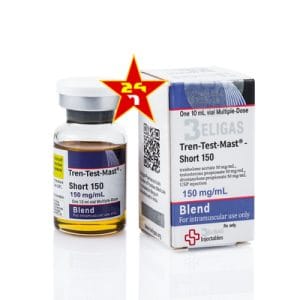
Beligas 10ml Vial Testosterone NPP Blend 150mg

Original price was: $ 119.00.$ 99.00Current price is: $ 99.00.
CYT 3 6MG | T3 | Yohimbe | Clen | Weight Loss Blend | 100 Tablets Total Kit 600mg
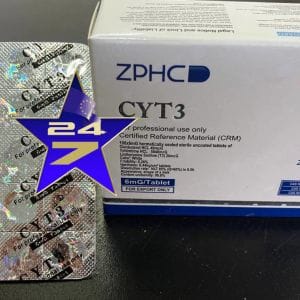
$ 69.00
CLOMID 50MG FIERCE 50 TABLETS
Original price was: $ 129.00.$ 119.00Current price is: $ 119.00.


#Bodybuilding, #Bodybuildingmotivation, #Powerlifting, #Bodybuilder, #Heavyweightlifting, #Workoutathome, #stayfit, #bodybuilding
Creatine is a popular dietary supplement often used to enhance athletic performance and increase muscle mass. However, its use among individuals under 18 has raised concerns due to potential side effects and the lack of substantial long-term studies in this age group. Adolescents may experience side effects such as dehydration, gastrointestinal distress, and muscle cramping. Moreover, because the bodies of teenagers are still developing, the impact of creatine supplementation on their hormonal balance, kidney function, and overall growth is not yet fully understood. Health professionals suggest caution and typically recommend that individuals under 18 avoid creatine supplementation, emphasizing the importance of a balanced diet and proper training over the use of performance-enhancing supplements.