

Current Research on Tamoxifen: Novel Uses and Future Directions
TABLE OF CONTENTS

Tamoxifen is a medication that has been extensively used in medical treatments and has found its place within the fitness community. It is primarily known for its application in the treatment of breast cancer. However, over the years, athletes and bodybuilders have explored its potential benefits beyond the medical field. This article will explore tamoxifen’s uses, its role in fitness, and the associated considerations for users.
What is Tamoxifen?
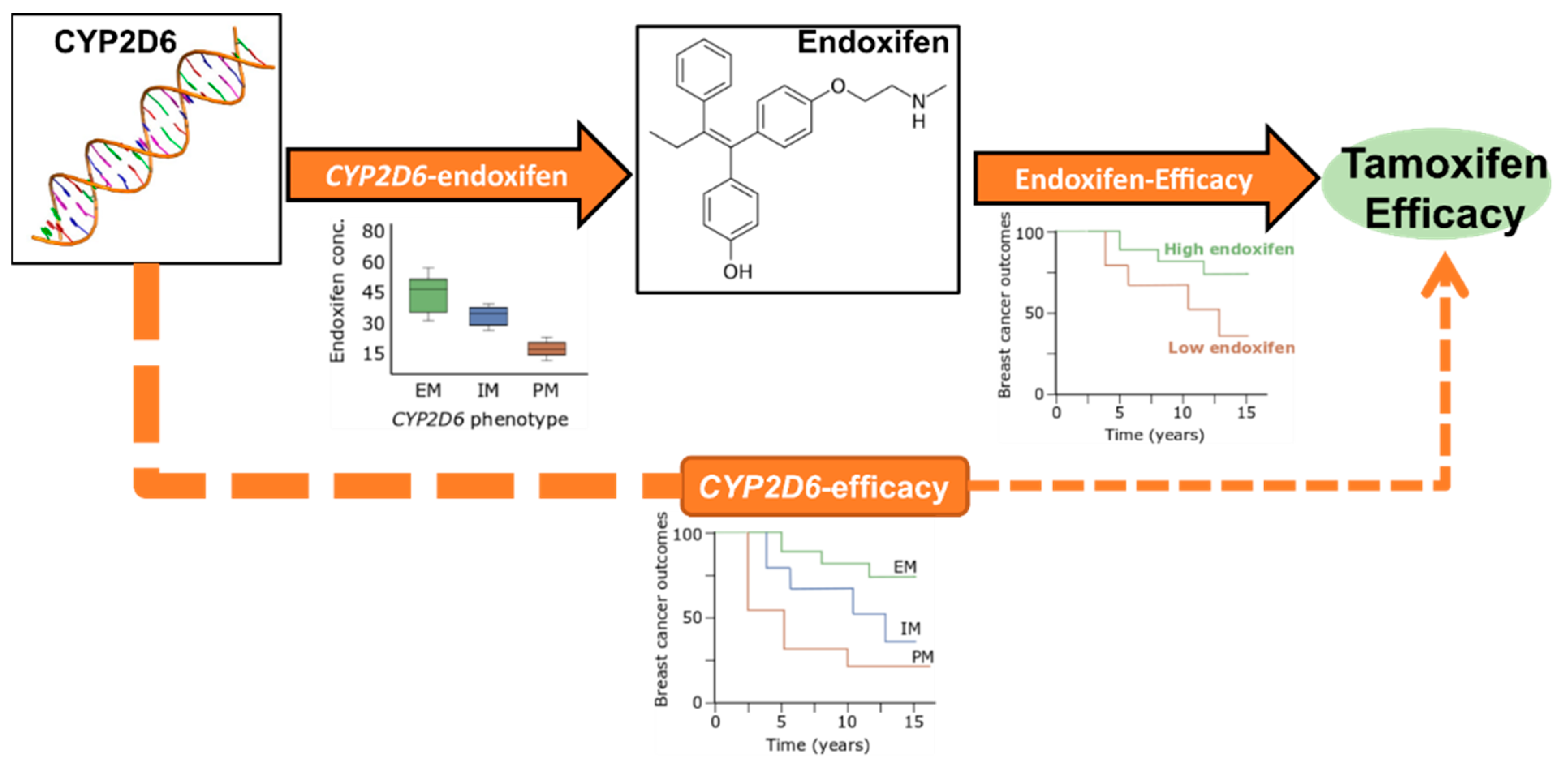
Tamoxifen is a selective estrogen receptor modulator (SERM). It works by binding to estrogen receptors and blocking estrogen’s effects in the breast tissue. By doing so, it is effective in both treating and reducing the risk of breast cancer. For decades, tamoxifen has been a cornerstone in endocrine therapy for breast cancer patients.🙌
Tamoxifen in the Fitness World
In the fitness and bodybuilding communities, athletes have found tamoxifen useful for mitigating side effects related to anabolic steroid use. It is known to reduce estrogen levels, thereby preventing gynecomastia (breast tissue growth in men), which can happen when using steroids. Though not officially approved for this use, some athletes include tamoxifen in their post-cycle therapy (PCT) to help restore natural testosterone levels.💪
Considerations and Caution
Despite its benefits, tamoxifen should be used with caution. Self-prescription or misuse can lead to undesirable side effects, such as hot flashes, mood swings, or more severe complications related to blood clotting. It is imperative to consult healthcare professionals before including tamoxifen as part of any fitness or health routine. The decision to use it should come after careful consideration of potential benefits and risks.
Scientific Research and Developments
Research continues to explore new applications and improvements in the use of tamoxifen. Its role in non-breast cancer related conditions, like male fertility and liver damage prevention due to steroid use, is under investigation. While promising, these areas require more scientific backing before tamoxifen can be safely endorsed for such purposes.
Conclusion
⚠️ Tamoxifen offers significant health benefits, particularly in medical treatment for breast cancer. Though some extend its use within the fitness community, it demands caution and professional guidance. Whether you are considering tamoxifen for health or fitness purposes, understanding its implications is crucial. Achieving your health and fitness goals responsibly should always be the priority.
FAQs
Can tamoxifen be used by women who are bodybuilding?
Though some female bodybuilders consider using it, the potential side effects and health risks typically outweigh the benefits. Expert guidance is crucial.
Is tamoxifen legal in sports?
Tamoxifen is not banned in sports but should be used only for legitimate medical reasons under a doctor’s supervision.
How long should tamoxifen be used in PCT?
Typically, a PCT cycle lasts about 4 to 6 weeks. Individual requirements may vary, and professional medical advice should be sought.
Does tamoxifen help with muscle growth?
Tamoxifen does not directly contribute to muscle growth. Its role is more about managing estrogen and normalizing testosterone levels.
[insert shortcode:
FREE SHIPPING
HOT PROMOTIONS!
BIG SALE | FAST SHIPPING

Beligas Propha Testosterone 10 vials x 1ml (Propionate) 100mg

Original price was: $ 79.00.$ 69.00Current price is: $ 69.00.


Beligas Prime Testosterone (Suspension) 100mg
Original price was: $ 99.00.$ 69.00Current price is: $ 69.00.

#bodybuilder #follow #fashion #powerlifting #like #fitspo #gymrat #abs #model #yoga #gains #gymtime #strength #workoutmotivation #nutrition #fitnessgirl #weightlifting #diet #body #gymgirl #boxing #life #goals #sports #photography #gymshark #bhfyp #photooftheday #mma #fitlife #stayfit #bodybuilding
Tamoxifen is a medication that is primarily used in the treatment and prevention of breast cancer, particularly estrogen receptor-positive (ER+) types, which rely on estrogen to grow. As a selective estrogen receptor modulator (SERM), tamoxifen binds to estrogen receptors, thereby blocking the effects of estrogen in breast tissue, which can help slow or stop the growth of cancer cells. It has been a cornerstone in breast cancer therapy for decades, celebrated for its role in reducing the risk of cancer recurrence and the occurrence of new cancer in the opposite breast. While tamoxifen is generally well-tolerated, it is associated with side effects such as hot flashes, fatigue, and an increased risk of blood clots and uterine cancer. It is often prescribed for long-term use, typically over five to ten years, to maximize its protective benefits. Its introduction marked a significant advancement in oncology, offering a lifeline to many patients both as a cancer therapeutic and a preventive measure for those at high risk.