Cyclofenil
TABLE OF CONTENTS

The Origin and Development
Developed in the 1960s, Cyclofenil was initially used to treat infertility issues by stimulating ovulation. It works by modulating estrogen receptors, thus balancing hormonal activity and promoting reproductive health. Although now largely succeeded by more advanced drugs, its role in hormonal modulation set a precedent for ongoing research.
Current Applications
The use of Cyclofenil today extends beyond its original scope. Increasing evidence suggests its potential in enhancing skin health, due to its ability to modulate estrogen. Estrogen plays a critical role in maintaining skin elasticity and hydration, making Cyclofenil a subject of interest in the skincare and anti-aging community. Pioneering studies are investigating its capability to promote collagen production, which is a crucial component of skin vitality.
Further applications are being explored in the realm of weight management and overall wellness, thanks to its hormonal regulation properties. By ensuring hormonal balance, Cyclofenil may assist in mitigating some of the challenges associated with weight loss and metabolic disorders.
Conclusion
In summary, while Cyclofenil’s journey began as a treatment for infertility, its potential applications today have expanded significantly. From skincare benefits to wellness enhancements, Cyclofenil’s estrogen-modulating properties present exciting prospects. However, extensive research and clinical trials are necessary to fully comprehend its capabilities and ensure its safety and efficacy for widespread use.
FAQs
What is Cyclofenil primarily used for?
Initially, Cyclofenil was used for treating infertility by stimulating ovulation. Currently, it is being explored for its potential benefits in skincare and wellness.
How does Cyclofenil benefit skin health?
Cyclofenil modulates estrogen receptors, promoting collagen production, which may help maintain skin elasticity and hydration.
Are there any side effects of using Cyclofenil?
As with any compound that affects hormonal activity, Cyclofenil may have side effects. It is essential to consult healthcare professionals before its use.
Is Cyclofenil effective for weight management?
Research is ongoing, but Cyclofenil’s ability to modulate hormones suggests potential in supporting weight management strategies.
FREE SHIPPING
BIG SALE | FAST SHIPPING
HOT PROMOTIONS!

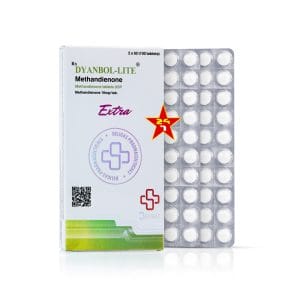
ZPHC Dbol Dianabol Methandienone 10mg x 100 tablets

Original price was: $ 99.00.$ 69.00Current price is: $ 69.00.


DIANABOL 50MG FIERCE 50 CAPS

Original price was: $ 119.00.$ 99.00Current price is: $ 99.00.
MASTERON ENANTHATE AUCTUS 200MG 10ML

Original price was: $ 120.00.$ 105.00Current price is: $ 105.00.

Cyclofenil is a nonsteroidal selective estrogen receptor modulator (SERM), which has been utilized primarily in the field of reproductive medicine. Its primary mechanism involves modulating the activity of estrogen receptors, either mimicking or blocking the hormone’s effects depending on the target tissue. Clinically, cyclofenil has been employed to stimulate ovulation in cases of infertility, particularly in women who experience anovulatory cycles. By enhancing the release of gonadotropins, it promotes the development and maturation of ovarian follicles, thereby increasing the likelihood of successful conception. Despite its utility, the use of cyclofenil has largely been supplanted by newer pharmacological interventions with more favorable efficacy and side effect profiles. Nonetheless, cyclofenil remains an important agent in the historical context of fertility treatments and hormonal therapy research.