Cytadren: And the Role of a Suppressant in Endocrine Therapy
TABLE OF CONTENTS

Cytadren, known generically as aminoglutethimide, is an oral medication that has been in use for several decades, primarily in the treatment of specific medical conditions related to hormone production. Initially developed as an anti-convulsant, it was later found to have significant effects on hormone synthesis, leading to its use in settings like Cushing’s syndrome and certain types of cancer.
Understanding Cytadren and its Mechanism
The mechanism of Cytadren involves blocking the production of certain hormones in the adrenal cortex. It inhibits the action of enzymes necessary for synthesizing adrenal steroids, including glucocorticoids, mineralocorticoids, and androgens. This therapeutic effect is why Cytadren is particularly useful in conditions like Cushing’s syndrome, where reducing excessive cortisol production is crucial.
Medical Applications of Cytadren
Cytadren is employed in addressing disorders like Cushing’s syndrome and metastatic breast cancer. By reducing adrenal hormone production, it helps normalize the hormonal imbalance associated with these conditions. In the case of Cushing’s syndrome, the medication decreases the excessive production of cortisol, thereby alleviating the symptoms associated with the condition.
In addition, Cytadren’s ability to reduce estrogen levels has made it useful in managing certain breast cancers. By reducing estrogen, it can diminish the growth stimulus for estrogen receptor-positive cancer cells.
Precautions and Side Effects
While Cytadren can be beneficial, it also comes with potential side effects and requires careful management. Common side effects include drowsiness, dizziness, and skin rash. More severe effects might include liver toxicity and suppression of bone marrow function, highlighting the importance of regular monitoring through blood tests.
It’s crucial for patients to consult with their healthcare provider before starting Cytadren, especially if there are underlying health conditions or if other medications are being taken. Moreover, pharmaceutical guidance dictates never using Cytadren haphazardly and ensuring that its administration is under strict medical supervision.
Conclusion
Cytadren serves as a powerful tool in the treatment of specific hormone-related disorders. Through its ability to inhibit hormone synthesis, it offers therapeutic benefits in conditions like Cushing’s syndrome and certain types of cancer. However, due to its potential side effects, Cytadren requires careful administration and monitoring. Individuals considering this medication should engage in thorough discussions with their healthcare provider to fully understand the balance between its benefits and risks.
FAQs about Cytadren
-
- What is the primary use of Cytadren?
Cytadren is primarily used to treat conditions like Cushing’s syndrome and metastatic breast cancer by inhibiting hormone production in the adrenal glands.
- What is the primary use of Cytadren?
-
- Can Cytadren be used by everyone?
No, Cytadren should be used with caution and under medical supervision, especially in patients with underlying health issues or concurrent medications.
- Can Cytadren be used by everyone?
-
- What are some common side effects?
Common side effects include dizziness, skin rash, and drowsiness. Regular monitoring is necessary to manage more severe potential side effects.
- What are some common side effects?
BIG SALE | FAST SHIPPING
HOT PROMOTIONS!
ZPHC UltraMix 10ml MultiUse Vial 1ml = 250mg

Original price was: $ 255.00.$ 179.00Current price is: $ 179.00.


CYT 3 6MG | T3 | Yohimbe | Clen | Weight Loss Blend | 100 Tablets Total Kit 600mg
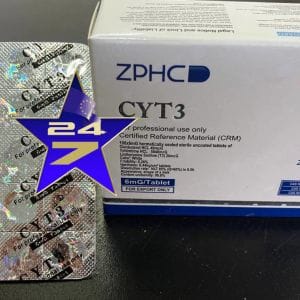
$ 69.00


Beligas 10ml Vial Testosterone NPP Blend 150mg

Original price was: $ 119.00.$ 99.00Current price is: $ 99.00.



Cytadren, also known by its generic name aminoglutethimide, is a medication primarily used in the medical management of Cushing’s syndrome and some types of cancers, particularly those related to hormone-sensitive tumors such as breast cancer. It works by inhibiting the enzyme aromatase, which is pivotal in the synthesis of steroids such as cortisol, estrogen, and androgens. This inhibition leads to reduced production of these hormones, thereby mitigating their growth-promoting effects on tumors. Beyond its use in oncology and endocrinology, Cytadren has historically been used off-label for its potential role in adjusting steroid metabolism, although this is not without significant side effects, including dizziness, drowsiness, and skin rash among others. Due to its profound impact on hormone levels, its use is carefully monitored and typically reserved for situations where first-line treatments are ineffective or contraindicated.