Decoding the BMI Chart: What Your Number Really Means for Your Health
TABLE OF CONTENTS

Understanding the BMI Chart: A Comprehensive Guide
The Body Mass Index (BMI) chart is an essential tool used to estimate a healthy body weight based on an individual’s height and weight. Introduced in the early 19th century by the Belgian mathematician Adolphe Quetelet, the BMI chart has since become a standard measure in health assessments worldwide. Though it does not directly measure body fat, it provides a simple numeric representation that can help indicate whether an individual is underweight, normal weight, overweight, or obese.
What is a BMI Chart?
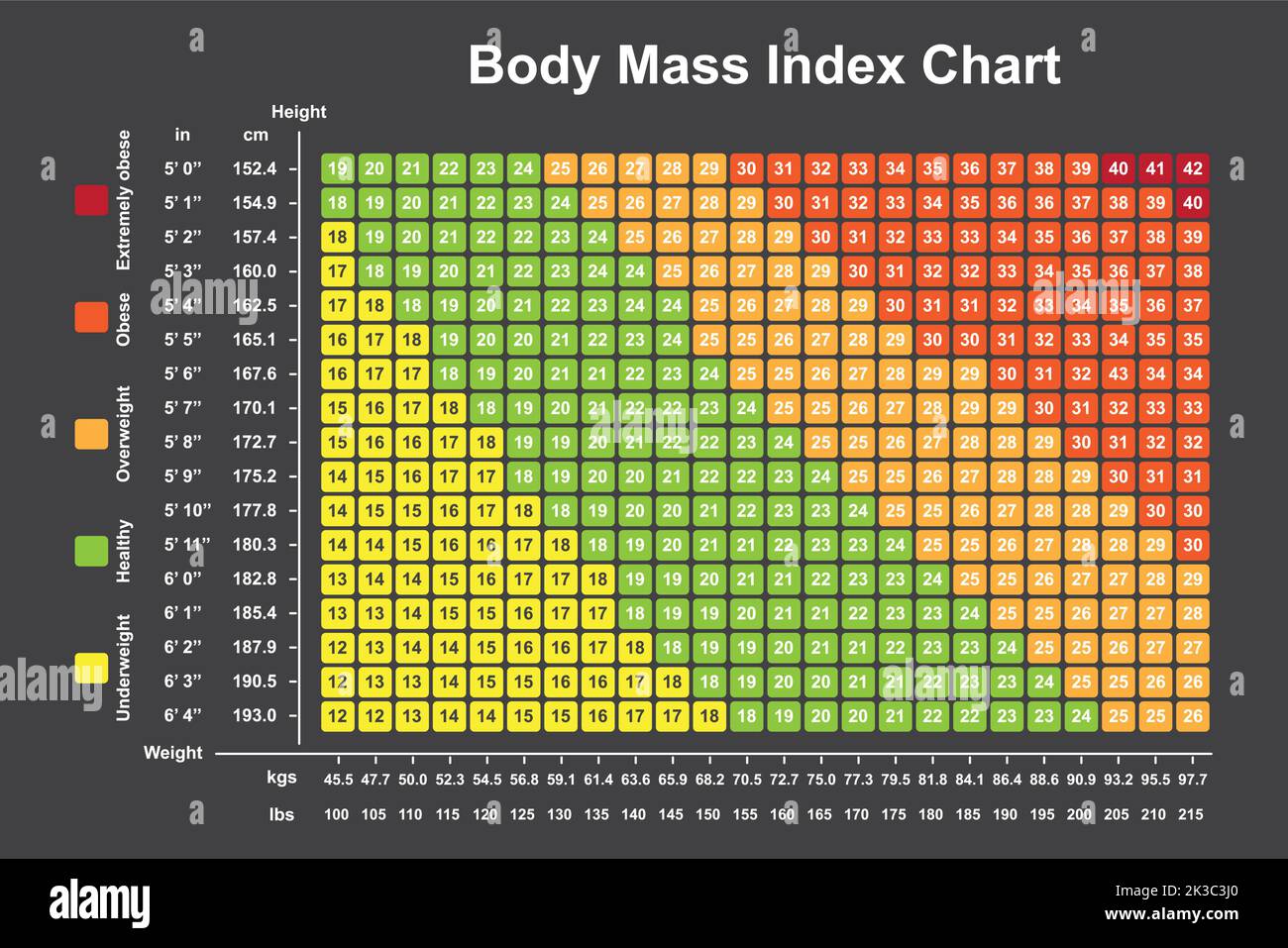
A BMI chart is a visual representation that plots BMI values against height and weight measurements. Healthcare professionals use it to quickly assess whether a patient is within a healthy weight range. The chart includes four categories that signify different health statuses: underweight, normal weight, overweight, and obesity. Calculating BMI involves the formula: weight (kg) divided by height (m²). This formula provides a numerical value that is then compared to the categories on the chart.
BIG SALE | FAST SHIPPING
HOT PROMOTIONS!

CLOMIPHENE TABLETS 50mg 50 TABLETS FIERCE

Original price was: $ 99.00.$ 89.00Current price is: $ 89.00.

ZPHC Clomid Clomiphene 25mg/tablet | 100 Tablets Total: 2500mg

Original price was: $ 159.00.$ 65.00Current price is: $ 65.00.



FIERCE CLOMID 50MG 50CAPS

Original price was: $ 129.00.$ 119.00Current price is: $ 119.00.

ZPHC UltraMix 10ml MultiUse Vial 1ml = 250mg

Original price was: $ 255.00.$ 179.00Current price is: $ 179.00.
Limitations of the BMI Chart
Despite its widespread use, the BMI chart has its limitations. It does not account for muscle mass, bone density, or overall body composition. For instance, athletes with higher muscle mass may be categorized as overweight or obese when they have low body fat percentages. Additionally, variations in body composition among different ethnic groups may not be accurately reflected in a standard BMI chart. Therefore, while the BMI chart is a useful initial screening tool, it should be complemented with other assessments for a comprehensive evaluation of an individual’s health status.
The Impact of the BMI Chart on Public Health
The BMI chart serves as a critical tool in public health to quickly gauge the prevalence of obesity and weight issues within populations. By offering a standardized method of assessment, it helps in planning interventions, allocating resources, and setting health guidelines at both national and global levels. Understanding the statistics derived from the BMI chart can assist in targeting preventive measures against weight-related health problems such as cardiovascular diseases and diabetes.
Adapting the BMI Chart for Children
Unlike adults, children’s BMI is calculated differently due to varying growth rates. The BMI chart for children considers their age and sex, with percentiles ranging from the 5th to the 95th used to determine weight status. Pediatricians use this tailored chart to track growth patterns and identify potential health concerns early on.
Conclusion
The BMI chart, while not without its flaws, remains an instrumental tool in understanding and managing health. Its simplicity and ease of use make it a popular choice in both clinical and public health settings. However, it is crucial to consider its limitations and complement it with other diagnostic methods for a more accurate health assessment. For further resources on how the BMI chart is used in clinical settings, you might explore CDC’s BMI Information or discover insights on World Health Organization’s Analysis on BMI.
FAQs
Q: How is BMI calculated?
A: BMI is calculated by dividing a person’s weight in kilograms by the square of their height in meters (kg/m²).
Q: Is the BMI chart accurate for all people?
A: The BMI chart is a useful guideline but may not accurately reflect the health status of individuals with high muscle mass, athletes, or certain ethnic groups.
Q: Can BMI indicate health problems?
A: While a high BMI can indicate potential health risks, it should be used alongside other assessments for a comprehensive view of health.
Q: Are BMI charts the same for children and adults?
A: No, BMI charts for children are adjusted for age and sex to account for growth patterns.
By incorporating the BMI chart with additional health assessments, individuals and healthcare providers can achieve a more nuanced understanding of weight-related health risks.
A Body Mass Index (BMI) chart is a useful tool that provides a visual representation of BMI categories based on height and weight. It is used to assess whether an individual falls within a healthy weight range, underweight, overweight, or obese categories. BMI is calculated by dividing a person’s weight in kilograms by the square of their height in meters. The chart typically includes ranges: a BMI below 18.5 indicates underweight, 18.5 to 24.9 is considered healthy, 25 to 29.9 denotes overweight, and a BMI of 30 or above signifies obesity. While BMI is a widely used screening tool, it does not directly measure body fat or account for muscle mass, bone density, and other factors that might influence body composition. Therefore, it should be used in conjunction with other assessments and clinical evaluations to provide a more comprehensive understanding of an individual’s health status.