Designing a Diet on Steroids for Maximum Health Impact
TABLE OF CONTENTS

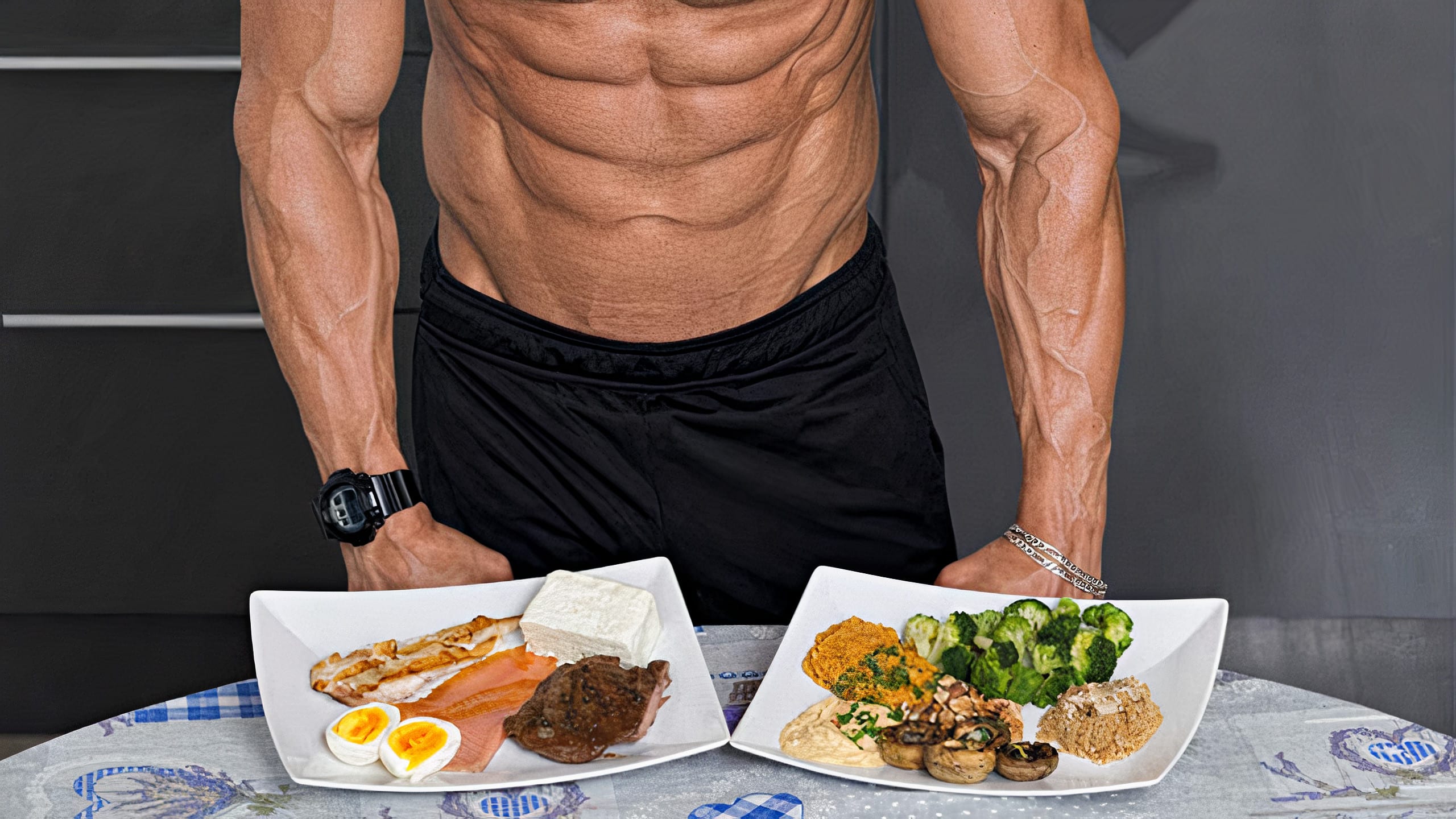
In the world of health and fitness, the term “diet on steroids” often conjures images of dramatic transformations and revolutionary meal plans. As we delve deeper into this concept, we’ll discover how it can serve as a game-changer for those looking to maximize their health and fitness goals. This approach isn’t about using anabolic steroids in conjunction with dieting but rather adopting a highly optimized nutritional strategy that almost seems to have a supercharged effect on your body.
What is the Diet on Steroids?
The diet on steroids concept revolves around intensifying the principles of a balanced diet to achieve enhanced results. Unlike typical dieting regimes that often focus on restriction, this approach emphasizes quality, density, and nutrient variety. By incorporating high-density superfoods and strategic meal timing, practitioners can improve body composition, energy levels, and overall wellness more effectively. 🌟
Key Components
-
- Supercharged Nutrition: Focus on densely nutritious foods like leafy greens, lean proteins, nuts, and seeds.
-
- Protein Prioritization: Higher protein intake is a cornerstone, catering to muscle growth and repair needs.
-
- Meal Timing: Strategically plan meals around workouts to maximize nutrient absorption and muscle synthesis.
-
- Hydration and Recovery: Ample water intake and appropriate recovery tactics like adequate sleep are vital.
Benefits of the Diet on Steroids
Adhering to the diet on steroids approach offers numerous advantages, particularly for athletes and fitness enthusiasts. Enhanced muscle recovery, increased energy levels, and improved body composition are just a few outcomes. Importantly, people who adopt this method often report increased mental clarity and reduced cravings, making it easier to sustain long-term health goals. Additionally, this diet encourages a holistic view of nutrition, taking into account not just what you eat, but when you eat it. 🥦
Challenges and Considerations
While the diet on steroids offers substantial benefits, it’s crucial to address potential challenges. Some individuals may find the meal preparation and careful planning a bit too demanding for their daily routines. Furthermore, it’s essential to tailor this strategy to personal health needs and goals. Consulting a healthcare professional before drastically altering your dietary habits is always recommended.
Conclusion
The diet on steroids is more than a buzz-term; it’s an approach that has the potential to significantly influence your health and fitness journey. By emphasizing nutrient density, protein intake, and strategic meal timing, this approach can lead to faster and more sustainable improvements in body composition and energy levels. However, like any diet plan, it requires dedication and personalization. 💪
FAQs
1. Can anyone try the diet on steroids?
Most individuals can benefit from this approach; however, it’s important to tailor it to personal health conditions and fitness goals. Consulting with a nutritionist or dietitian prior to making significant changes is advisable.
2. Is this diet suitable for weight loss?
Yes, the diet on steroids can support weight loss by promoting fat loss and muscle retention, especially when combined with an active lifestyle.
3. How quickly can I expect results?
Results vary based on individual physiology, adherence, and lifestyle. However, some participants report noticeable changes within a few weeks.
4. Does it involve using actual steroids?
No, the term “diet on steroids” refers to an amplified approach to a traditional diet, not the use of anabolic steroids.
Check our program:
FREE SHIPPING
HOT PROMOTIONS!
BIG SALE | FAST SHIPPING
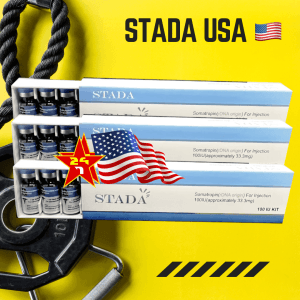
STADA HGH SOMATROPIN 100IU (10 vials)
Original price was: $ 299.00.$ 229.00Current price is: $ 229.00.
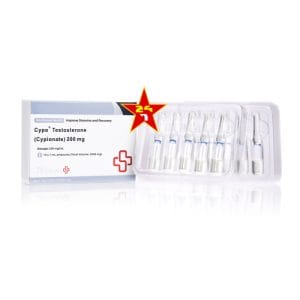

REDTROPIN SOMATROPIN HGH STADA 100IU

Original price was: $ 299.00.$ 229.00Current price is: $ 229.00.
ILLUSTRA BRAND | Liquid BAC water 10ml BA+0.9% Benzyl Alcohol
Original price was: $ 60.00.$ 39.00Current price is: $ 39.00.

SUSTANON 350 AUCTUS 350MG 10ML
Original price was: $ 109.00.$ 99.00Current price is: $ 99.00.
ZPHC Winstrol Stanozolol 10mg x 100 Tablets
Original price was: $ 99.00.$ 79.00Current price is: $ 79.00.
Fierce sustanon 350mg / ml 10ml

Original price was: $ 119.00.$ 109.00Current price is: $ 109.00.
Add this diet strategy to your health routine and witness potential transformations, fostering a more vibrant and energetic version of yourself.
#fitspo #fitnessaddict #abs #running #yoga #nutrition #instagram #goals #gains #diet #wellness #weightlifting #fitlife #follow #bodybuilder #stayfit #bodybuilding #life #fitnessgirl #getfit #boxing #run #fashion #powerlifting #inspiration #weightlossjourney #like #nopainnogain #photooftheday #body #bhfyp #gymtime
When discussing diet on steroids, it is important to understand the role nutrition plays in supporting the body’s increased needs when using anabolic steroids. Individuals on such substances often aim to maximize muscle growth and recovery, which requires an increased intake of protein to support muscle synthesis and repair. Carbohydrates play a vital role in providing the necessary energy for intense workouts and promoting glycogen replenishment in muscles post-exercise. Healthy fats, particularly omega-3 and omega-6 fatty acids, are crucial for maintaining hormonal balance and supporting joint health, which can be taxed by intense physical training. Additionally, a focus on micronutrient-rich foods, such as fruits and vegetables, helps ensure adequate vitamin and mineral intake to support overall health and enhance the immune system. Hydration is equally critical, as steroids can influence fluid retention and metabolic processes. While steroids might augment physical performance, a well-structured diet complements their effects and mitigates potential side effects, ensuring optimal health and performance outcomes.