Dieting on Steroids: Maximizing Gains and Minimizing Risks
TABLE OF CONTENTS

In the world of fitness and bodybuilding, achieving optimal results is often a matter of nutrition and training precision. However, some individuals explore the concept of “dieting on steroids” as a shortcut or enhancement to traditional dietary practices. This controversial method incorporates anabolic steroids in conjunction with specific dietary regimens to achieve accelerated body transformation. 🚀
What is Dieting on Steroids?
Dieting on steroids involves using anabolic steroids, which are synthetic variations of the male sex hormone testosterone, to improve muscle growth and fat loss when combined with a structured diet. These substances can significantly alter the body’s metabolism, leading to faster muscle gain and improved fat oxidation.
Some enthusiasts suggest that dieting on steroids contributes to a more defined physique and enhanced performance. Still, this practice is fraught with risks and potential legal issues, as anabolic steroids are controlled substances in many countries. ⚖️
Benefits and Drawbacks
While the primary allure of dieting on steroids is rapid progress, users should also be aware of potential downsides. On the benefit side, accelerated muscle development and reduced recovery times are common. However, such gains often come at the expense of severe side effects, including hormonal imbalances, liver damage, and heart complications.
The process also demands strict dietary adherence, often requiring increased protein intake and reduced carbohydrates to maximize the anabolic effects. Such regimens might pressure individuals to maintain a specific macro balance that could become challenging over time.
Dietary Considerations
For those considering this path, understanding nutrition’s role is paramount. A typical diet on steroids includes lean proteins, healthy fats, and carefully controlled carbohydrates. Meal timing and frequency can also play a crucial role in maximizing the anabolic effects of steroids.
Legal and Ethical Concerns
Beyond health implications, dieting on steroids raises ethical and legal concerns. Many sporting bodies classify anabolic steroids as illegal performance enhancers, resulting in disqualification or legal consequences for athletes caught using them. Moreover, ethical debates question the fairness of steroid use in competitive settings.
Conclusion
While dieting on steroids can lead to impressive physical transformations, it’s crucial to weigh the pros and cons thoroughly. Those considering this approach should prioritize health and legal advice to avoid the severe consequences associated with steroid misuse. Ultimately, sustainable fitness is best achieved through balanced nutrition and dedicated training. 💪
FAQs
Is dieting on steroids safe?
No, it poses significant health risks including hormonal issues and organ damage.
Are anabolic steroids legal?
In many countries, anabolic steroids are illegal without a prescription due to their potential for abuse and health risks.
Can you achieve similar results without steroids?
Yes, through consistent training, a balanced diet, and proper recovery techniques.
Shortcode:
FREE SHIPPING
HOT PROMOTIONS!
BIG SALE | FAST SHIPPING

REDTROPIN SOMATROPIN HGH STADA 100IU

Original price was: $ 299.00.$ 229.00Current price is: $ 229.00.



TRENBOLONE ACETATE 100MG 10ML AUCTUS
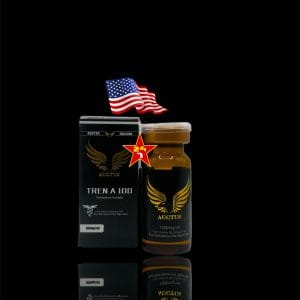
Original price was: $ 120.00.$ 109.00Current price is: $ 109.00.
AXIOM TESTOSTERONE ENANTHATE 300MG 10ML
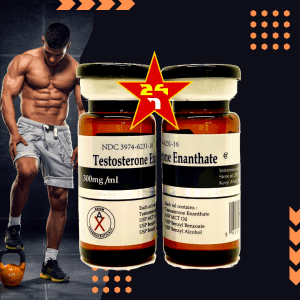
Original price was: $ 119.00.$ 99.00Current price is: $ 99.00.
Beligas RETHO CIALIS 25mg 50 tablets
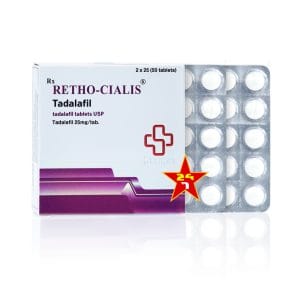
Original price was: $ 99.00.$ 59.00Current price is: $ 59.00.

Beligas RETHO Cialis 5mg/100tabs
Original price was: $ 99.00.$ 69.00Current price is: $ 69.00.
Dieting on steroids refers to adopting a highly intensive approach to weight loss or muscle definition, often combining strict nutritional plans with the use of anabolic steroids to enhance muscle growth and fat loss. This method can yield rapid physical changes but comes with significant health risks, such as liver damage, increased cholesterol levels, hormonal imbalances, and potential psychological effects like aggression or depression. Moreover, while steroids may enhance physical appearance in the short term, they can undermine long-term health and well-being. It’s crucial for individuals considering this path to consult healthcare professionals and consider safer, more sustainable methods of achieving fitness goals, focusing on balanced nutrition, regular exercise, and natural supplementation.