Exploring the Functions and Types of Human Hormones
TABLE OF CONTENTS

Hormones are integral to regulating various physiological processes in the human body, such as growth, metabolism, and mood regulation. Understanding different hormone types is crucial for both medical professionals and individuals aiming to maintain hormonal balance and optimal health. This article delves into the main types of hormones, their functions, and the importance of maintaining their balance, with a final discussion on FAQs.
1. Peptide Hormones
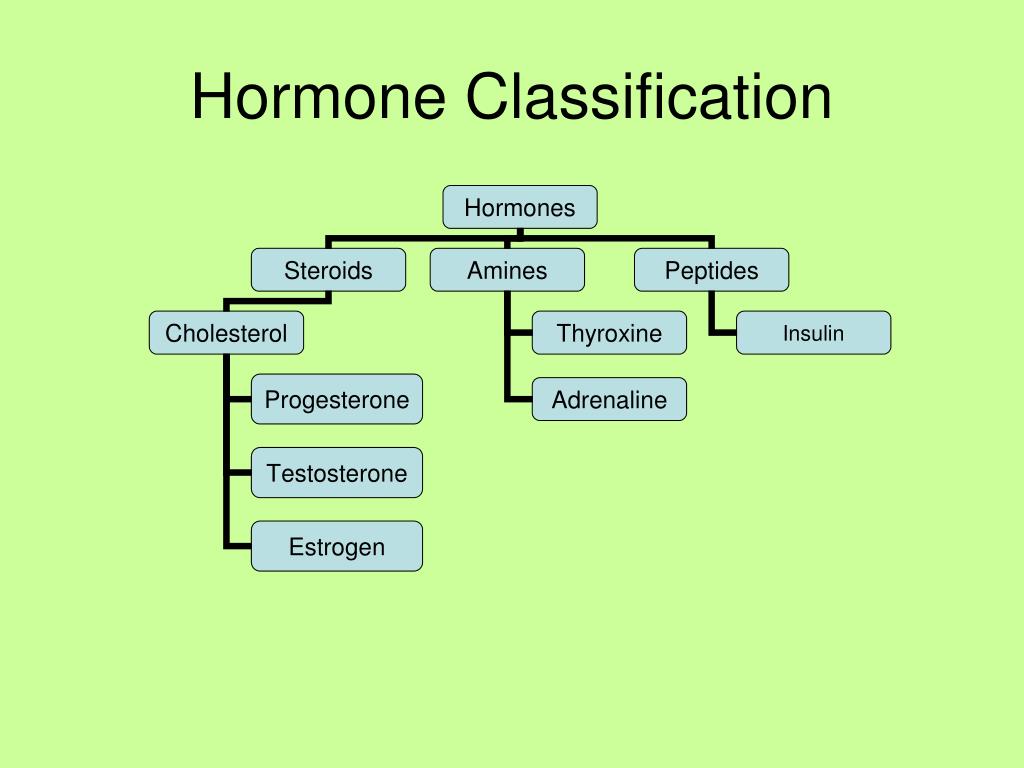
Peptide hormones are composed of short chains of amino acids. These hormones play significant roles in regulating metabolic processes. Notable examples include insulin, which aids in glucose metabolism, and growth hormone, responsible for body growth and development. Peptide hormones are generally soluble in water, allowing them to travel easily through the bloodstream to target organs.
2. Steroid Hormones
Derived from cholesterol, steroid hormones influence numerous body functions, including inflammation, immune functions, salt and water balance, and the development of sexual characteristics. Important steroid hormones include cortisol, which regulates metabolism and immune response, and aldosterone, crucial for maintaining blood pressure. Another vital steroid is sex hormone—present both as estrogen and testosterone—that significantly influences reproductive systems and secondary sexual characteristics.
3. Amine Hormones
Amine hormones are derived from amino acids, such as tyrosine and tryptophan. They include hormones like adrenaline and thyroxine. Adrenaline, produced in the adrenal glands, is vital for the fight-or-flight response during stress. Thyroxine, produced by the thyroid gland, plays a critical role in regulating metabolism. Despite being synthesized from amino acids, these hormones behave similarly to both peptide and steroid hormones in terms of their solubility and mechanism of action.
Conclusion
Hormones are versatile chemical messengers essential for maintaining homeostasis in the body. Peptide, steroid, and amine hormones each serve unique functions and feature different chemical properties that affect how they interact with the body. Balancing these hormones is paramount for optimal health, as imbalances can lead to various disorders, from diabetes to hormonal cancers. Understanding these differences helps in diagnosing, treating, and preventing hormonal imbalances, thereby promoting overall health.
FAQs
What are hormones?
Hormones are chemical messengers that regulate numerous physiological processes in the body, such as metabolism, growth, and mood.
How do hormones affect our health?
Hormones significantly influence the body’s functions by regulating various systems. An imbalance of hormones can lead to health issues such as obesity, diabetes, and mood disorders.
How can hormone levels be balanced?
Healthy lifestyle practices such as balanced nutrition, regular exercise, adequate sleep, and stress management can help maintain hormone balance. Medical interventions may be necessary for severe imbalances.
For more detailed information on hormones, you can visit Mayo Clinic or consult WebMD.
BIG SALE | FAST SHIPPING
HOT PROMOTIONS!






ZPHC UltraMix 1ml amps x 10 amps - 1ml = 250mg

Original price was: $ 259.00.$ 179.00Current price is: $ 179.00.

CROWX 👑 CLOMIROW 50 Mg / 50 Tabs ( Clomid )

Original price was: $ 79.00.$ 69.00Current price is: $ 69.00.

Hormones are biochemical substances that serve as vital signaling molecules, orchestrating a plethora of physiological processes within living organisms. They can be broadly categorized into three primary types based on their chemical structure: steroid hormones, peptide hormones, and amino acid-derived hormones. Steroid hormones, such as cortisol and estrogen, are lipid-soluble molecules synthesized from cholesterol, and they primarily modulate gene expression by acting on intracellular receptors. Peptide hormones, including insulin and growth hormone, consist of chains of amino acids and typically bind to cell surface receptors, initiating a cascade of intracellular events through second messengers. Amino acid-derived hormones, like epinephrine and thyroxine, are small molecules synthesized from single amino acids, such as tyrosine or tryptophan, and can function through both intracellular and extracellular pathways to exert their effects. The interplay of these diverse hormones regulates critical bodily functions, including metabolism, growth and development, reproduction, and stress responses, ensuring homeostasis and adaptability in a dynamic environment.