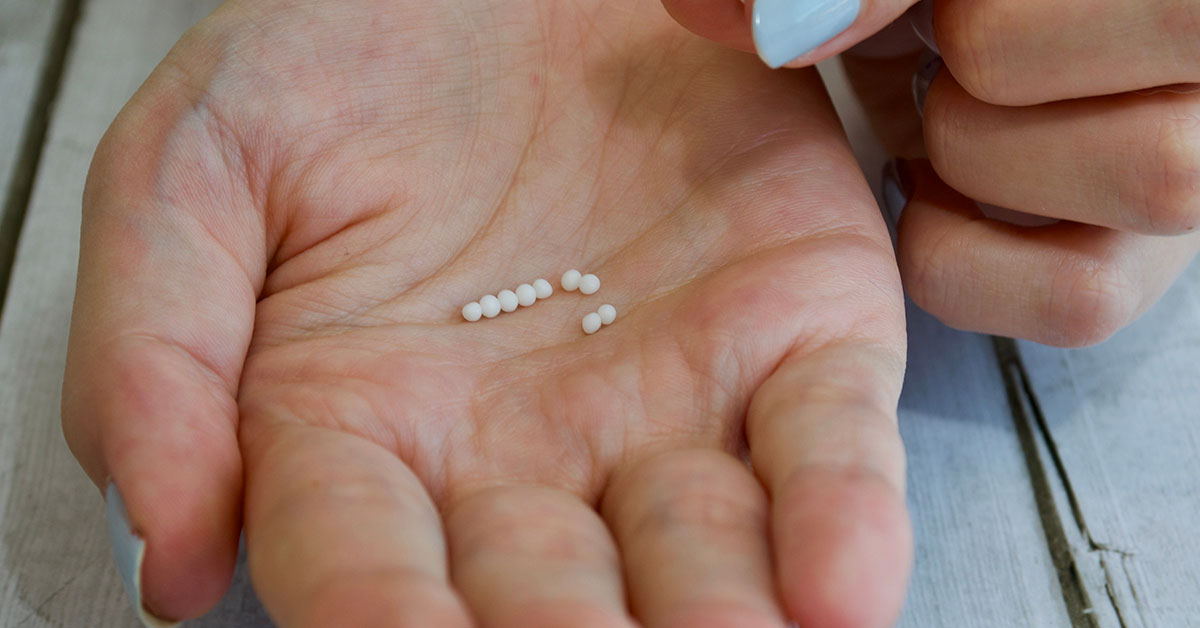
Exploring the Science Behind Female Viagra: What Women Need to Know
TABLE OF CONTENTS

The term “Female Viagra” is often used to refer to medication aimed at enhancing sexual arousal in women, a subject that’s garnered increasing attention over the years. Despite its catchy name, Female Viagra operates differently than the original Viagra, which was developed to treat erectile dysfunction in men. In this article, we will delve into the various aspects of Female Viagra, its mechanisms, benefits, side effects, and much more.
What Is Female Viagra?
Unlike its male counterpart, Female Viagra doesn’t actually carry the same active ingredient, sildenafil. The term often refers to medications like flibanserin (Addyi) and bremelanotide (Vyleesi), both of which are designed to treat hypoactive sexual desire disorder (HSDD) in premenopausal women.
While Addyi is taken daily, Vyleesi is administered via an injection as needed about 45 minutes before sexual activity. These medications manifest their effects in different ways – Addyi primarily works on neurotransmitters in the brain, while Vyleesi is a melanocortin receptor agonist that stimulates sexual desire through the nervous system.
Understanding Hypoactive Sexual Desire Disorder (HSDD)
HSDD is characterized by a persistent or recurrent lack of sexual desire that causes distress or interpersonal difficulty. This condition can stem from various factors, including hormonal changes, psychological issues, stress, and even certain medications. Many women suffering from HSDD find it challenging to discuss their sexual health, leading to feelings of isolation and frustration.
How Female Viagra Works
The mechanisms of Female Viagra medications are groundbreaking, particularly because they focus on the psychological aspect of sexual desire. Here’s a closer look:
- Addyi (Flibanserin): This medication affects serotonin levels in the brain. It works by increasing dopamine and norepinephrine levels while inhibiting serotonin—the very neurotransmitters that can dampen sexual desire.
- Vyleesi (Bremelanotide): Unlike Addyi, Vyleesi stimulates the melanocortin receptors in the brain, which play a role in arousal and sexual function.
Benefits of Female Viagra
The primary advantage of Female Viagra is that it may help increase sexual desire in women suffering from HSDD. Here are some additional potential benefits:
- Improved sexual experiences and satisfaction.
- Greater emotional intimacy with partners.
- Better quality of life and reduced anxiety surrounding sexual activity.
Potential Side Effects and Risks
While Female Viagra can offer significant benefits, like any medication, it comes with its own set of side effects and risks:
- Addyi: Common side effects include dizziness, nausea, fatigue, and sleepiness. Women should avoid alcohol while taking this medication due to the risk of severe hypotension.
- Vyleesi: Potential side effects include nausea, headache, and injection site reactions. Additionally, Vyleesi should not be used in women with high blood pressure or cardiovascular disease.
Consulting a Healthcare Provider
It’s essential for women considering Female Viagra to have open discussions with their healthcare providers about their symptoms, health history, and treatment options. A physician can help determine eligibility based on individual health profiles and provide guidance on the best course of action.
Alternatives to Female Viagra
Besides medication, various approaches can help address low sexual desire in women:
- Counseling: Cognitive-behavioral therapy or sex therapy can be beneficial.
- Lifestyle Changes: Regular exercise, a balanced diet, and stress management techniques can bolster overall well-being and improve sexual health.
- Supplements: Some women explore natural products purported to enhance libido, though scientific evidence regarding their efficacy is often limited.
It’s important to approach alternatives with caution and consult healthcare professionals before trying any supplement or lifestyle change aimed at improving sexual health.
Conclusion
Female Viagra represents a significant advancement in understanding and treating sexual desire disorders in women. While it is not a one-size-fits-all solution, awareness and open dialogue about women’s sexual health are essential. By understanding the mechanisms, benefits, and potential side effects of Female Viagra, women can make informed decisions about their sexual health with their healthcare providers.
FAQs about Female Viagra
- 1. Is Female Viagra safe?
- Female Viagra can be safe when prescribed by a healthcare provider familiar with your medical history. Always consult a provider to discuss risks and benefits.
- 2. How long does it take for Female Viagra to work?
- Addyi requires daily use and may take several weeks for full effects, while Vyleesi is effective within 45 minutes of administration.
- 3. Can I drink alcohol while taking Female Viagra?
- Alcohol consumption should be avoided with Addyi due to the risk of severe hypotension. Consult your doctor for guidance regarding alcohol and other medications.
- 4. What should I do if Female Viagra doesn’t work for me?
- If you find that Female Viagra is not effective, speak with your healthcare provider about alternative treatments or therapies.
- 5. Where can I learn more about body piercing and its cultural significance?
- You can follow this link to explore culturally relevant experiences related to body piercing.
- 6. How do I become a body piercer?
- If you are interested in becoming a body piercer, resources like this guide can provide valuable information for beginners.
- 7. Can I find information about steroids and their effects online?
- Yes, you can check out this website for comprehensive information regarding steroids and their usage.
- 8. Are there podcasts that discuss topics related to female health and well-being?
- Yes! You can listen to insightful discussions on topics related to health on this podcast.
FREE SHIPPING
CLICK HERE!
HOT PROMOTIONS!

♀ PT 141 10MG/VIAL Bremelanotide KIT 10vials FIERCE

Original price was: $ 400.00.$ 279.00Current price is: $ 279.00.

illustra** Grey Tops HGH 99.8% Purity 24iu x 1 vial

Original price was: $ 144.00.$ 109.00Current price is: $ 109.00.
Female Viagra, also known by its generic name flibanserin, is a medication specifically designed to address hypoactive sexual desire disorder (HSDD) in premenopausal women. Unlike Sildenafil, which is used to enhance blood flow and treat erectile dysfunction in men, Female Viagra addresses an entirely different issue: the psychological and hormonal factors leading to low sexual desire in women. Approved by the U.S. Food and Drug Administration (FDA) in 2015, flibanserin works by altering the balance of neurotransmitters in the brain, increasing dopamine levels while reducing serotonin to enhance sexual desire.
Clinical studies have shown that flibanserin can help women experiencing HSDD to have a slightly increased number of satisfying sexual events per month. The research indicated that women who took the medication reported greater sexual desire and satisfaction compared to those who received a placebo. However, results have varied among individuals, and not every woman experiences the same benefits. Consequently, it is essential for prospective users to consult with healthcare professionals to discern whether Female Viagra is appropriate for their specific circumstances.
The medication is taken daily, ideally at bedtime, to minimize the risk of possible side effects, which can include dizziness, fatigue, nausea, and, in some cases, serious interactions with alcohol. The potential for severe hypotension, particularly when combined with alcohol, has led to rigorous guidelines regarding its prescription. Women taking flibanserin are advised to abstain from alcohol consumption to avoid these dangerous interactions. Because of these risks and the need for careful medical oversight, flibanserin is not suitable for all women, revealing an ongoing need for personal consultation with healthcare providers.
Sociocultural factors play a vital role in the perception and acceptance of Female Viagra. There has been significant debate surrounding the medicalization of women’s sexual health, with some advocating for treatments like flibanserin as empowering while others express concerns about pathologizing normal variations in sexual desire. This discourse often intersects with broader conversations about gender norms and the societal pressures placed on women to conform to specific sexual expectations, highlighting the importance of cultural context in understanding and addressing sexual health issues.
Ultimately, Female Viagra represents a groundbreaking development in the field of women’s health, challenging longstanding stigmas associated with female sexuality. Although it offers a promising option for some women, it also raises important questions about the complexities of desire and intimacy. As societal attitudes evolve, further research may lead to more tailored treatments and therapies that cater specifically to women’s diverse sexual health needs, paving the way for a more nuanced understanding of female sexuality in both medical and social contexts.