Faslodex: Help and Aid Against Breast Cancer
TABLE OF CONTENTS

Introduction to Faslodex
Faslodex is a prescription medication commonly used in the treatment of advanced breast cancer. Specifically, it is indicated for hormone receptor-positive breast cancer in postmenopausal women. As a selective estrogen receptor degrader (SERD), it works by binding to estrogen receptors and accelerating their degradation, thereby decreasing the estrogen signaling that can promote cancer cell growth.
The Mechanism of Action
Faslodex’s unique mechanism involves its ability to competitively bind to the estrogen receptor on cancer cells. By attaching itself to these receptors, Faslodex not only blocks the effects of estrogen but also marks these receptors for destruction. This eradication decreases the number of estrogen receptors available, effectively reducing the hormone-driven proliferation of cancer cells.
Clinical Use and Administration of Faslodex
Typically administered via an intramuscular injection, Faslodex is given once a month after initial doses two weeks apart. Dosage and administration are determined by a healthcare professional based on individual patient needs. It’s crucial for patients to adhere to their treatment schedule to ensure optimal outcomes.
Potential Side Effects
Like many medications, Faslodex has a range of potential side effects. Common side effects include injection site pain, nausea, fatigue, and joint pain. More serious adverse effects may include liver function abnormalities and allergic reactions. Patients should maintain open communication with their healthcare providers to manage any side effects experienced during treatment.
Conclusion
Faslodex plays a vital role in managing hormone receptor-positive advanced breast cancer in postmenopausal women. With its unique mechanism targeting estrogen receptors, it offers an effective treatment option. However, as with any medication, it is important for patients to understand potential side effects and maintain regular follow-ups with their healthcare provider to maximize treatment benefits.
FAQs about Faslodex
What exactly is Faslodex?
Faslodex is a medication used to treat certain types of breast cancer in postmenopausal women. It acts by degrading estrogen receptors on cancer cells.
How is Faslodex administered?
Faslodex is given as an intramuscular injection typically on a monthly schedule after initial loading doses.
What are common side effects of Faslodex?
Common side effects may include injection site pain, nausea, fatigue, and joint pain. Serious side effects need medical attention.
Is Faslodex suitable for premenopausal women?
Faslodex is specifically indicated for postmenopausal women and is not typically used for premenopausal patients.
Can Faslodex be used in combination with other treatments?
Yes, Faslodex can be used in combination with other therapies, but it must be done under medical supervision.
BIG SALE | FAST SHIPPING
HOT PROMOTIONS!



FIERCE CLOMID 50MG 50CAPS
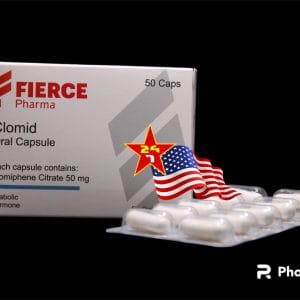
Original price was: $ 129.00.$ 119.00Current price is: $ 119.00.

ZPHC Clomid Clomiphene 25mg/tablet | 100 Tablets Total: 2500mg
Original price was: $ 159.00.$ 65.00Current price is: $ 65.00.
Faslodex, also known by its generic name fulvestrant, is a medication used primarily in the treatment of hormone receptor-positive metastatic breast cancer in postmenopausal women. Its mechanism of action involves binding to and degrading the estrogen receptor, thereby inhibiting the growth of cancer cells that rely on estrogen signaling. Faslodex is typically administered as an intramuscular injection and is often employed after other hormonal therapies, such as aromatase inhibitors, have proven insufficient. The drug’s ability to directly target and degrade estrogen receptors differentiates it from other hormone therapies, offering a unique tool in the oncology arsenal. Side effects of Faslodex may include injection site pain, nausea, fatigue, and hot flashes. Its use is a crucial component of a comprehensive treatment plan aimed at prolonging survival and maintaining quality of life for patients with advanced breast cancer.