Finasteride
TABLE OF CONTENTS

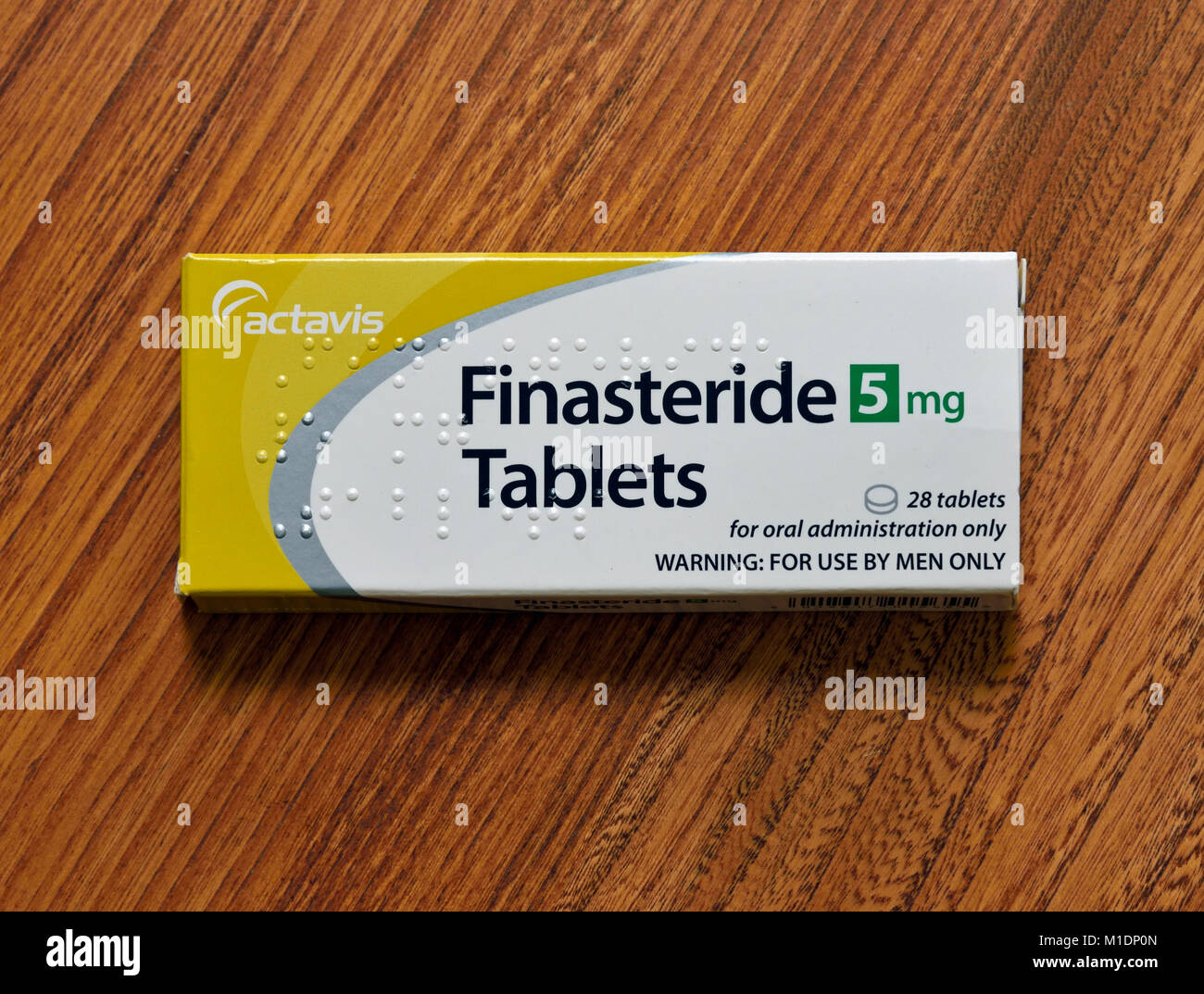
Finasteride is a well-known medication primarily used to address hair loss and benign prostatic hyperplasia (BPH) in men. With millions of users worldwide, this pill has established itself as a reliable solution for thinning hair and prostate issues.
Understanding How Finasteride Works
Finasteride functions by inhibiting the action of an enzyme known as 5-alpha-reductase. This enzyme is crucial in converting testosterone into dihydrotestosterone (DHT), a hormone that plays a significant role in both hair loss and prostate enlargement. By reducing DHT levels, Finasteride helps to prevent further hair thinning and to shrink an enlarged prostate.
Benefits of Finasteride
Many individuals have reported positive outcomes from using Finasteride. Primarily, it’s effective in slowing down hair loss in men with male pattern baldness. Some users even experience noticeable hair regrowth after sustained use. For those dealing with BPH, regular use can lead to reduced urinary symptoms, such as difficulty in urination and the frequent need to urinate.
Potential Side Effects of Finasteride
Like any medication, Finasteride may lead to side effects in some individuals. Common ones include decreased libido, erectile dysfunction, and ejaculation issues. Rarely, some users have reported depression and anxiety. It’s critical to discuss these potential side effects with a healthcare provider to weigh the benefits and risks.
Conclusion
Overall, Finasteride offers hope for those struggling with hair loss and prostate issues. Its ability to manage hormone levels offers a simple yet effective approach. However, as with any medication, it is essential to consult with a healthcare provider to determine its suitability and to explore any possible side effects.
FAQs on Finasteride
1. Can women use Finasteride?
No, Finasteride is generally not recommended for use by women, particularly those who are or may become pregnant, due to potential risks to developing fetuses.
2. How long does it take to see results?
Most users may notice a slowdown in hair loss after a few months, but visible hair regrowth may take longer. Consistency is key, and continued use is essential for maintaining benefits.
3. Is Finasteride available over-the-counter?
Finasteride is a prescription medication, meaning it must be prescribed by a healthcare provider.
4. Are the effects of Finasteride permanent?
No, the effects of Finasteride are not permanent. Discontinuation can result in the return of hair loss and BPH symptoms.
FREE SHIPPING
BIG SALE | FAST SHIPPING
HOT PROMOTIONS!

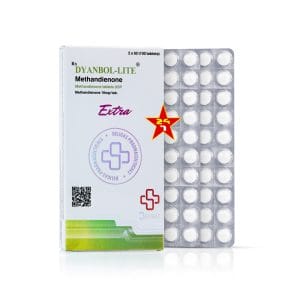

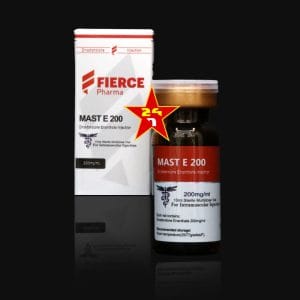
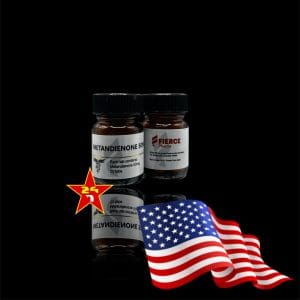
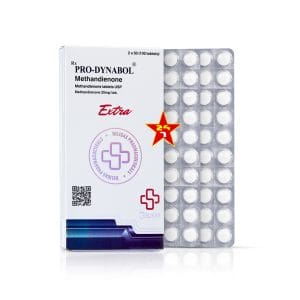
DBOL 50mg TABLETS 50 TABLETS FIERCE
Original price was: $ 110.00.$ 109.00Current price is: $ 109.00.


Hashtags: #peptides #skincare #antiaging #b #skin #beauty #collagen #wellness #weightloss #sermorelin #ghrp #stayfit #bodybuilding #injections #hcg #skincareroutine #hcgphase #hcgdiet #hcginjections #doral #hcgplus #hcgworks #miami #hcgpellets #hcgdrops #hcgusers #hcgcommunity #hcgresults #miamibeach #hcgprotocol #hcgchica #alastinskincare
Finasteride is a medication primarily used to treat male pattern baldness and benign prostatic hyperplasia (BPH), which is an enlarged prostate. It operates as a 5-alpha-reductase inhibitor, meaning it blocks the conversion of testosterone to dihydrotestosterone (DHT), a hormone linked to hair loss and prostate growth. By reducing DHT levels, finasteride can help slow hair loss and even promote regrowth in some men, while also reducing prostate size and alleviating related urinary symptoms. Although generally well-tolerated, its use can be associated with side effects such as decreased libido, erectile dysfunction, and, rarely, depression. Finasteride is typically administered orally and requires consistent, long-term use to maintain its benefits, with effects often reversing upon cessation of the medication.