High-Protein Pasta: A Nutritious Twist on Your Favorite Dish
TABLE OF CONTENTS

In the ever-evolving world of nutrition, high protein pasta has emerged as a popular choice for health-conscious individuals and fitness enthusiasts alike. A food once revered primarily for its carbohydrate content, pasta has undergone a protein-packed transformation to cater to those seeking to balance macronutrients without sacrificing flavor. This culinary innovation not only satisfies taste buds but also supports muscle growth, weight management, and overall well-being.
What is High Protein Pasta?
High protein pasta is a variation of traditional pasta, made with ingredients aimed at boosting its protein content. This type of pasta often incorporates protein-rich alternatives such as lentils, chickpeas, quinoa, or edamame into the dough. Some brands even integrate protein isolates derived from peas or soy to enhance the pasta’s nutritional profile.
Despite the changes in ingredients, high protein pasta strives to maintain the classic pasta experience—perfectly al dente textures and the ability to absorb flavors seamlessly. The end result is a product that not only supports dietary goals but also aligns with traditional expectations of quality and taste.
Benefits of High Protein Pasta
-
- Muscle Support and Maintenance: One of the most touted benefits of high protein pasta is its role in muscle support. The increased protein content is crucial for muscle repair, especially important for athletes and fitness enthusiasts who experience regular muscle wear and tear.
-
- Satiety and Weight Management: Protein has a well-documented effect on satiety. High protein pasta offers a sense of fullness that helps prevent overeating, making it a beneficial option for those aiming to manage their weight.
-
- Versatility in Diets: Many high protein pasta products are naturally gluten-free and vegan, making them suitable for a variety of dietary needs. Individuals with specific dietary restrictions can still enjoy pasta dishes without compromising nutritional goals.
-
- Nutrient Density: By substituting traditional wheat with legumes or other protein sources, high protein pasta often increases the content of fiber and essential nutrients, contributing to a balanced diet.
Conclusion
High protein pasta represents a compelling fusion of health and indulgence, catering to the modern demand for nutritionally enhanced food products. It allows pasta lovers to enjoy their favorite dishes while staying aligned with fitness goals. As the food industry continues to innovate, high protein pasta stands as a testament to the possibilities of combining tradition with nutritional science. Whether for maintenance of muscle mass or simply enjoying a healthier plate of pasta, these options are both enticing and beneficial.
FAQs
What are the main ingredients in high protein pasta?
High protein pasta can be made from a variety of protein-rich ingredients such as lentils, chickpeas, quinoa, or edamame eggs. Some may include protein isolates from peas or soy.
Is high protein pasta gluten-free?
Many high protein pasta varieties are gluten-free, especially those made from legumes and quinoa. However, it’s essential to check packaging labels to ensure gluten-free certification if necessary.
Does high protein pasta taste different from regular pasta?
While there may be slight differences in texture and flavor, most high protein pasta aims to replicate the taste and mouthfeel of traditional pasta. The key is to find a brand that aligns with personal taste preferences.
For more insights into nutrition and food innovations, consider visiting Healthline and NutritionFacts.org for comprehensive resources.
BIG SALE | FAST SHIPPING
HOT PROMOTIONS!

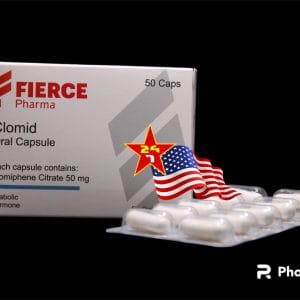
FIERCE CLOMID 50MG 50CAPS
Original price was: $ 129.00.$ 119.00Current price is: $ 119.00.
CROWX 👑 CLOMIROW 50 Mg / 50 Tabs ( Clomid )
Original price was: $ 79.00.$ 69.00Current price is: $ 69.00.
ZPHC Clomid Clomiphene 25mg/tablet | 100 Tablets Total: 2500mg
Original price was: $ 159.00.$ 65.00Current price is: $ 65.00.
ZPHC UltraMix 10ml MultiUse Vial 1ml = 250mg

Original price was: $ 255.00.$ 179.00Current price is: $ 179.00.
High protein pasta has emerged as a popular alternative to traditional pasta, catering to the growing demand for protein-enriched foods among health-conscious consumers. This innovative version often includes ingredients such as chickpeas, lentils, black beans, or added protein-rich components like pea protein or whey protein isolate, offering a substantial protein boost while retaining a familiar pasta texture and taste. For individuals aiming to increase their protein intake, whether for muscle building, weight management, or overall health, high protein pasta serves as a versatile and nutritious option that integrates seamlessly into various dishes. It provides a satisfying and balanced meal option, especially for vegetarians, vegans, or those following specific dietary plans such as high-protein or low-carb diets. Additionally, high protein pasta often contains more fiber and essential nutrients than traditional pasta, contributing to improved satiety and digestive health.