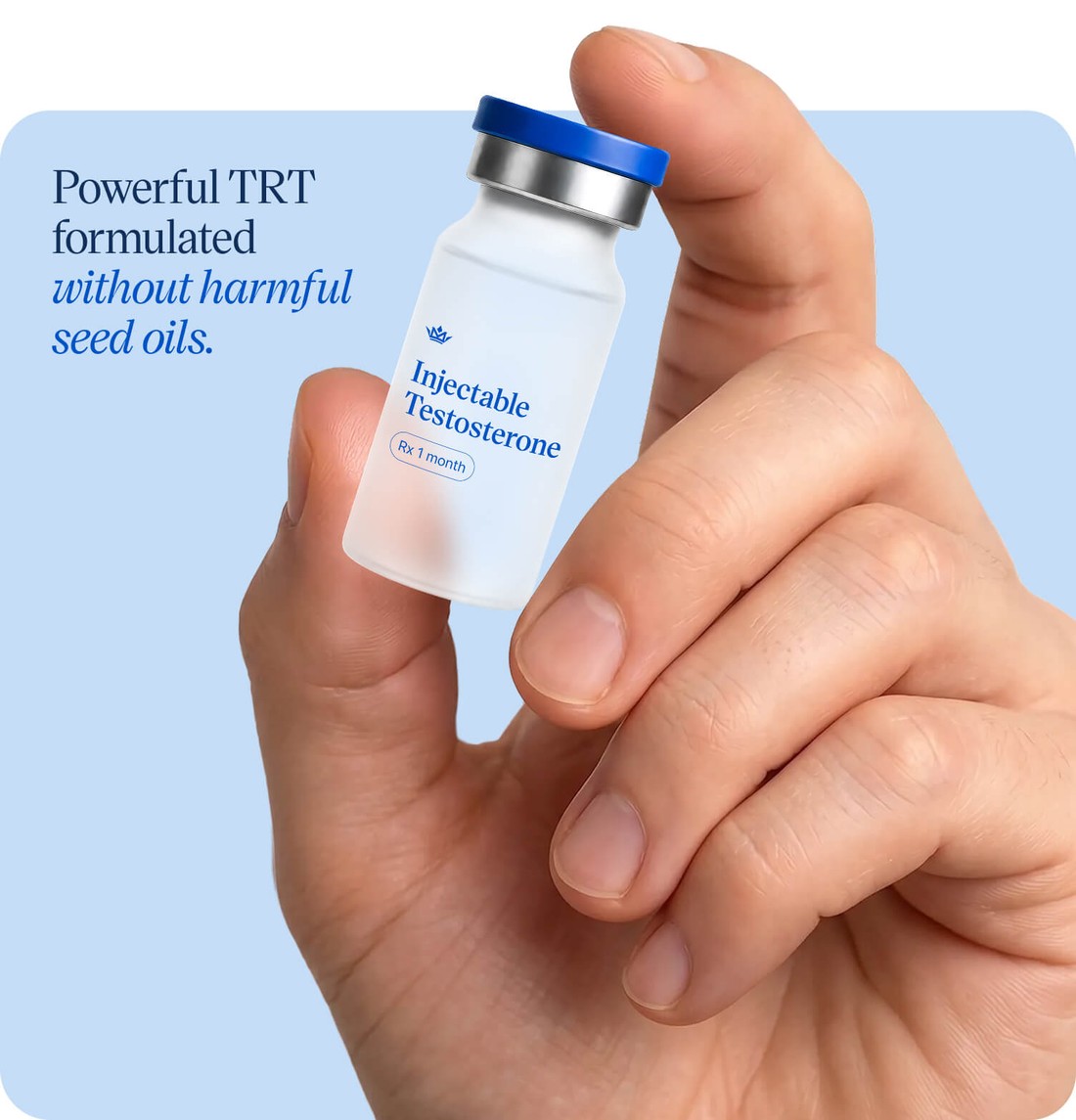

How long can one stay on TRT safely?
Understanding Testosterone Replacement Therapy (TRT)
Testosterone Replacement Therapy (TRT) has become increasingly popular as men and women seek relief from the symptoms of low testosterone. However, a common query arises: how long can one stay on TRT safely? This question not only addresses the duration of treatment but also highlights the importance of medical supervision and individual health considerations.
What is Testosterone Replacement Therapy?
TRT involves administering testosterone to individuals who exhibit low levels of this hormone. This therapy can take many forms, including injections, patches, gels, and pellets. The objective is to restore testosterone to normal levels, alleviating symptoms such as:
- Fatigue
- Low libido
FREE SHIPPING
BIG SALE | FAST SHIPPING
HOT PROMOTIONS!
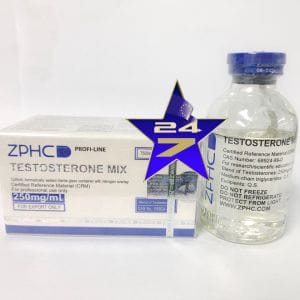

SUSTANON 300MG BLEND AXIOM 10ML

Original price was: $ 229.00.$ 119.00Current price is: $ 119.00.

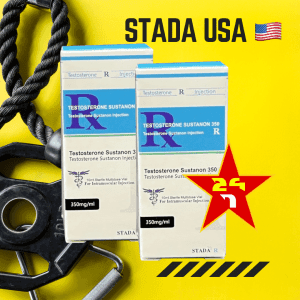

SUSTANON 350 AUCTUS 350MG 10ML

Original price was: $ 119.00.$ 101.00Current price is: $ 101.00.

- Depression
- Muscle weakness
- Difficulty concentrating
Whether you are experiencing symptoms yourself or researching for someone else, understanding the nuances of TRT can pave the way for informed decisions.
Duration of Therapy: A Complex Consideration
When asking “How long can one stay on TRT safely?”, the answer is not one-size-fits-all. The length of treatment can be influenced by various factors, such as:
- Underlying conditions: Many people may have conditions such as hypogonadism, which may require long-term treatment.
- Response to therapy: Some individuals may observe improvements quicker than others, altering the course of treatment.
- Age: Younger individuals may metabolize testosterone differently compared to older adults.
Navigating these factors necessitates a partnership with healthcare providers to assess progress and health over time.
Safety and Monitoring
Staying on TRT safely involves close monitoring for potential side effects and maintaining regular check-ups. This includes:
- Routine blood tests to measure testosterone levels
- Monitoring hematocrit levels to prevent blood clots
- Assessing prostate health for changes in PSA levels
Discussing any noticeable side effects, such as mood changes or skin reactions, with your healthcare provider is crucial for ongoing safety.
Benefits of Long-Term TRT
For many, the benefits of sustained TRT can far outweigh the risks, especially if health is closely monitored. Potential benefits include:
- Improved mood and mental clarity
- Increased energy levels
- Enhanced libido
- Improved muscle mass and strength
- Better bone density
Understanding these advantages can reinforce the decision to engage in long-term therapy.
What the Research Says
Scientific studies have illuminated the potential for long-term TRT when performed correctly. Research indicates that:
- Men who remain consistently within normal testosterone levels can experience improved quality of life without substantially increasing health risks.
- Regular monitoring can mitigate risks related to cardiovascular health and prostate issues.
For a deeper understanding, consult these sources: NCBI Study on Long-term Testosterone Therapy and Mayo Clinic Insights on TRT.
Common Side Effects of Long-Term TRT
As with any medical treatment, long-term TRT can be associated with side effects. Not all individuals will experience these, but potential side effects include:
- Acne or oily skin
- Sleep apnea
- Fluid retention
- Increased risk of heart disease
- Psychological effects (mood swings, aggression)
While this list can be daunting, remember that careful monitoring and communication with your healthcare provider can help address these concerns.
How to Make an Informed Decision
Making an informed decision about the duration of TRT requires openness and communication. When considering how long one can stay on TRT safely, consider the following:
- Consultation: Regular check-ups and consultations with a healthcare provider who understands your medical history.
- Individual Assessment: Each person’s hormone levels, lifestyle, and health conditions are unique. Tailoring TRT to your individual needs is essential.
- Continuous Evaluation: Periodic assessments of testosterone levels and overall health can guide treatment duration and modifications as needed.
A collaborative approach is paramount for realizing the full benefits of TRT while minimizing risks.
Conclusion
Testosterone Replacement Therapy can be a transformative experience for those suffering from low testosterone levels. Understanding how long one can stay on TRT safely is crucial for optimizing benefits while minimizing potential health risks. Being well-informed, maintaining open lines of communication with healthcare providers, and undergoing regular monitoring can create a balanced approach to therapy.
The path of TRT varies from person to person, but with careful consideration, many can stay on TRT safely for extended periods. Ultimately, what is most important is tailoring your treatment to your unique health profile and staying vigilant about monitoring.
FAQ
1. How long can one stay on TRT safely?
The duration varies, but with regular monitoring and physician oversight, many can remain on TRT for several years.
2. Does TRT have long-term side effects?
Yes, potential long-term side effects can include mood changes, cardiovascular risks, and skin reactions, although not everyone experiences these effects.
3. How often should I consult my physician while on TRT?
Regular check-ups every 3 to 6 months are typically recommended to monitor testosterone levels and overall health.
4. Can I stop TRT suddenly?
It’s not advisable to stop abruptly; consult your healthcare provider for a suitable tapering plan if needed.
5. Will TRT help with weight loss?
While TRT may improve muscle mass and metabolism, it should not be viewed as a weight-loss treatment. Combining TRT with a healthy lifestyle is important.
6. Is TRT suitable for everyone?
TRT is not suitable for everyone. A thorough assessment of individual health, history, and hormone levels is essential before starting therapy.