
Is 1500 testosterone dangerous?

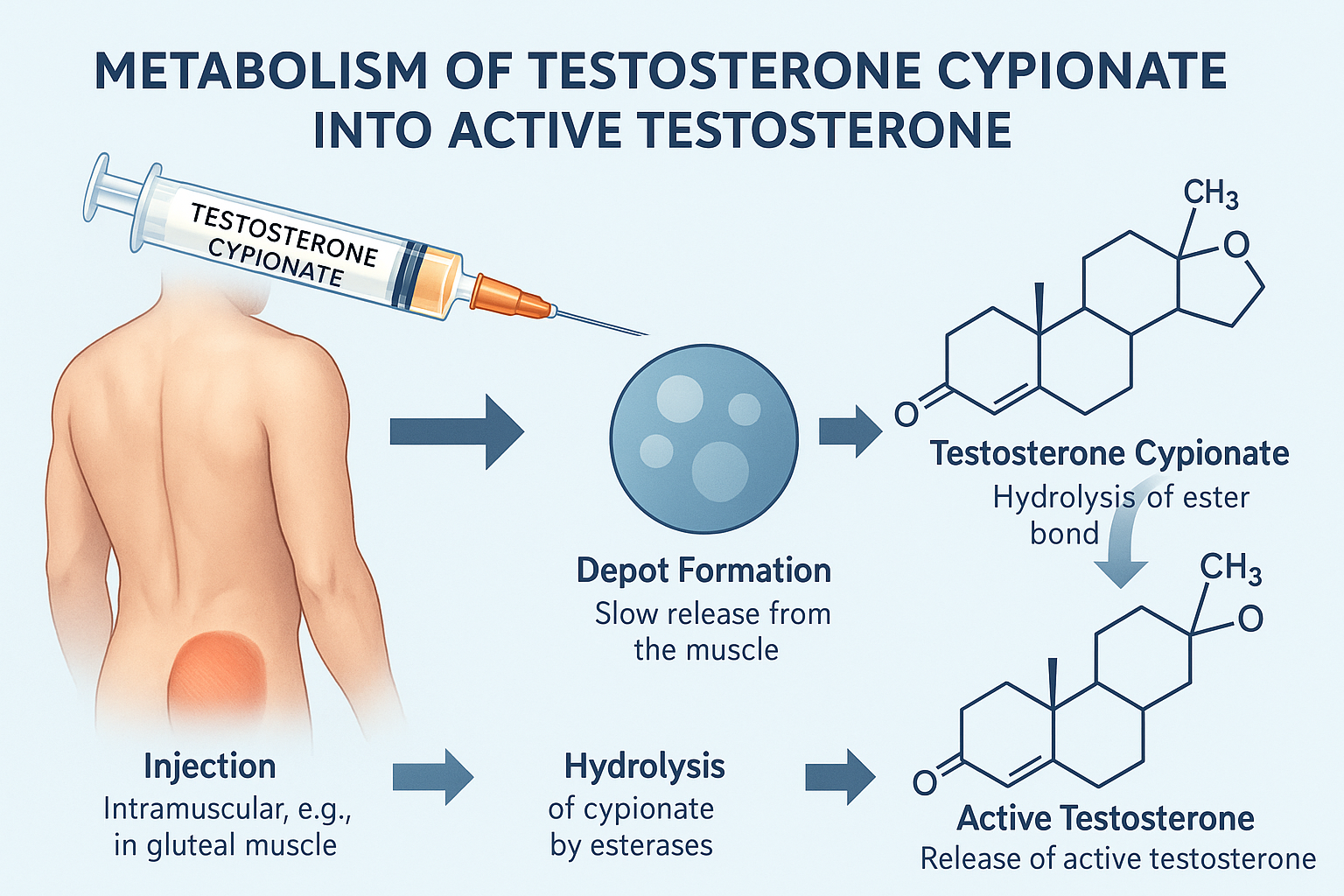
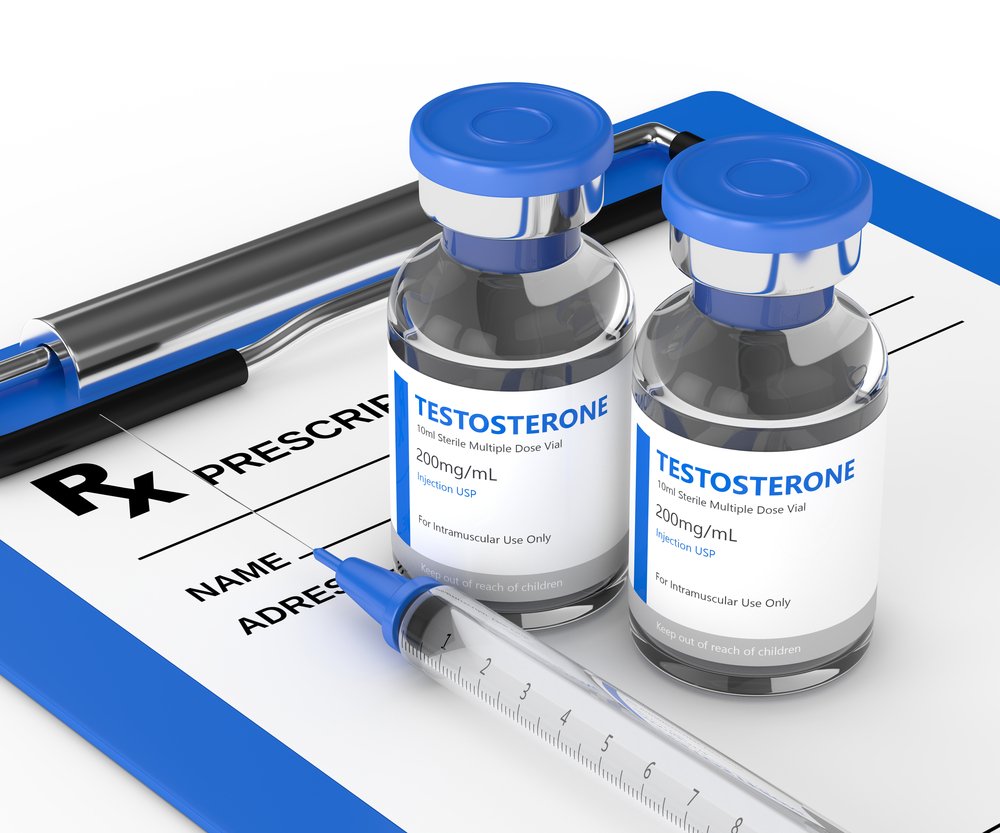
Testosterone is crucial for many bodily functions, but is a level of 1500 ng/dL dangerous? Normal levels range from 300-1,000 ng/dL for men and 15-70 ng/dL for women. Elevated testosterone can lead to health issues like cardiovascular problems, emotional changes, and prostate issues.

How do hormones affect facial bone structure?

Hormones significantly influence facial bone structure, impacting health throughout life stages such as puberty and menopause. Key hormones include estrogen and testosterone, which shape bone density and define features like jawlines and cheekbones. Understanding these effects can aid in maintaining a youthful appearance.

What happens if someone stops TRT abruptly?

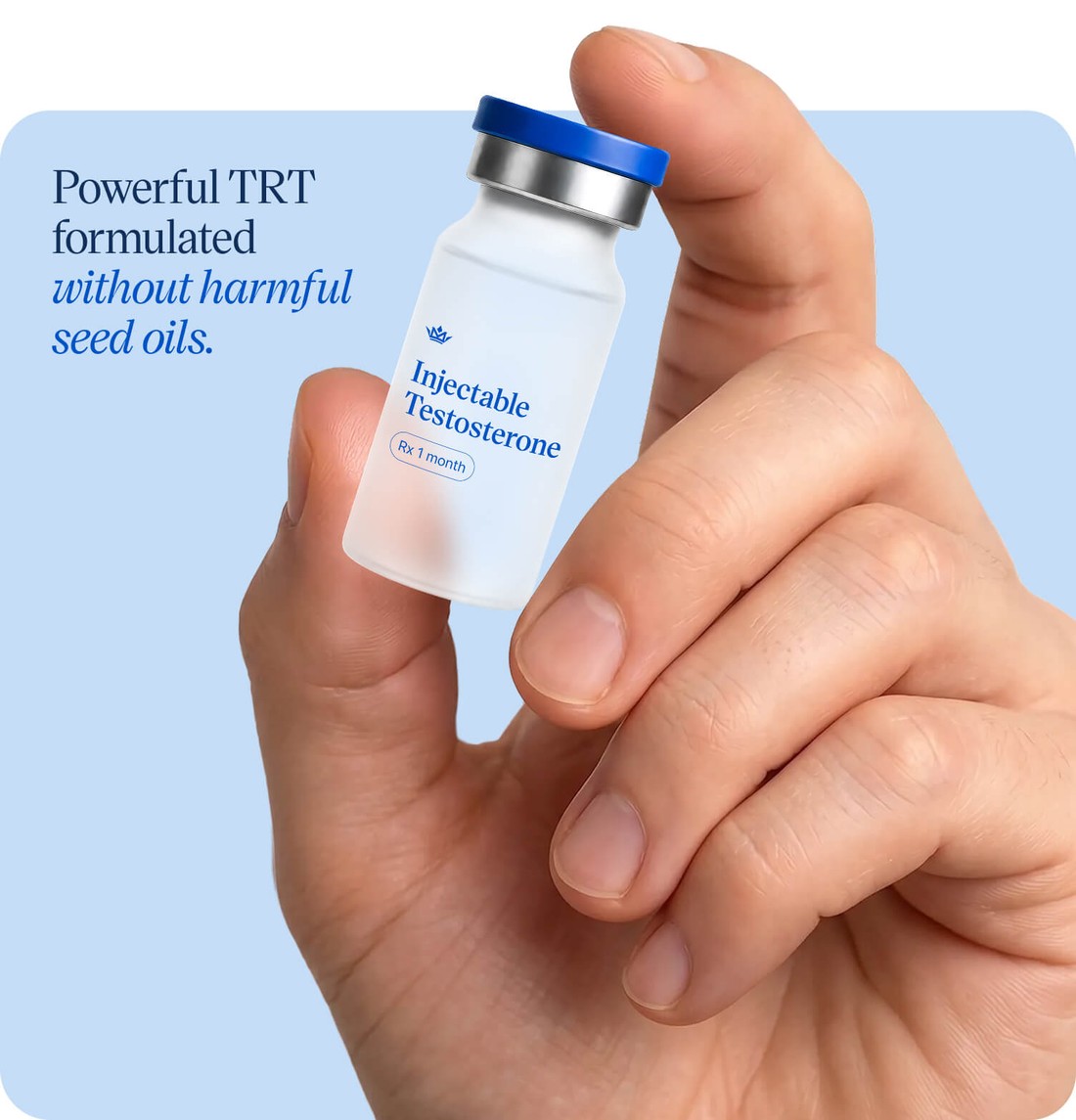
Testosterone Replacement Therapy (TRT) can significantly enhance energy, mood, and libido for those with low testosterone. However, stopping TRT abruptly can lead to fatigue, mood swings, and a loss of muscle mass, as the body struggles to regain hormonal balance. A gradual tapering is recommended to minimize withdrawal symptoms and support natural testosterone production. Always consult healthcare providers before making such decisions to ensure a safe and informed approach.

How long can one stay on TRT safely?

Testosterone Replacement Therapy (TRT) aims to relieve symptoms associated with low testosterone, such as fatigue, low libido, and depression. The duration of TRT varies by individual and must be monitored by healthcare professionals to ensure safety and efficacy. Regular check-ups are essential.

Is 3000 testosterone too high?

Testosterone is vital for regulating various bodily functions, including muscle mass and mood. Normal levels for men range from 300 to 1,000 ng/dL, but levels as high as 3000 ng/dL can pose serious health risks, such as cardiovascular issues and hormonal imbalances. Regular monitoring is essential.

Who has 1000 testosterone?

Testosterone is crucial for various bodily functions, primarily produced in the testes for men and ovaries for women. Normal levels for men range from 300 to 1,000 ng/dL, while women typically have 15 to 70 ng/dL. Factors like genetics, age, and exercise influence these levels significantly.

Understanding Testicular Function and Its Impact on Health

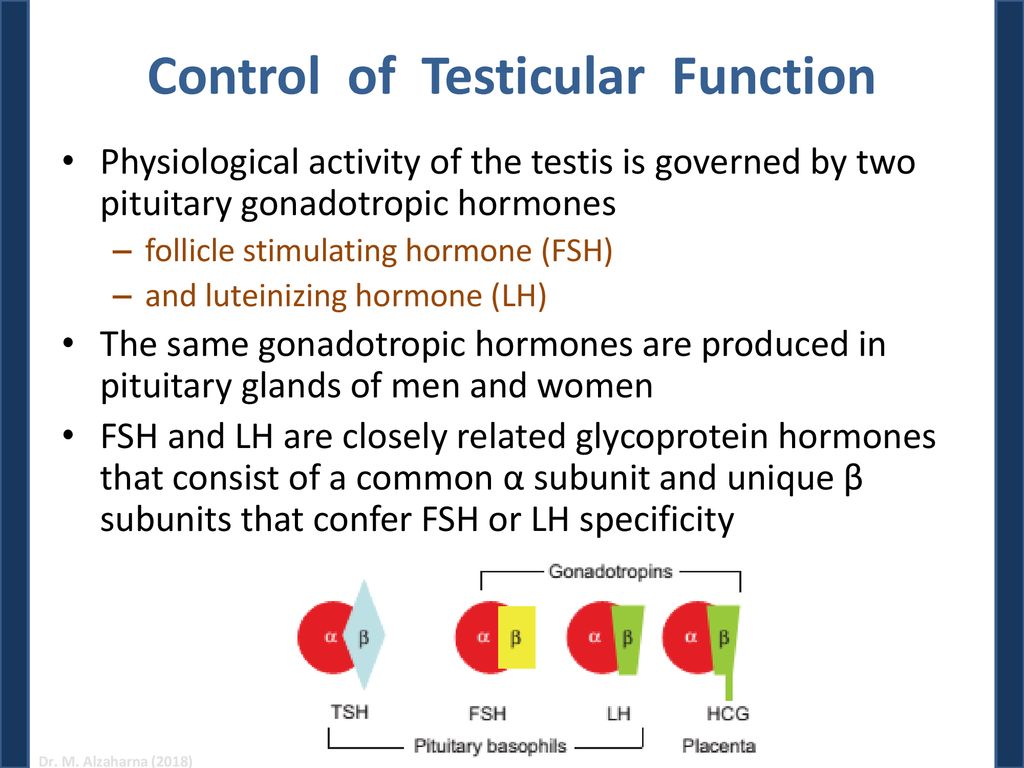
Testicular function is crucial for male reproductive and endocrine health, primarily involving the production of sperm and the secretion of hormones, notably testosterone. The testes, housed within the scrotum, are responsible for spermatogenesis—an intricate process where germ cells develop into mature spermatozoa capable of fertilizing an egg. Sertoli cells within the seminiferous…

SHBG: How Sex Hormone Binding Globulin Influences Health

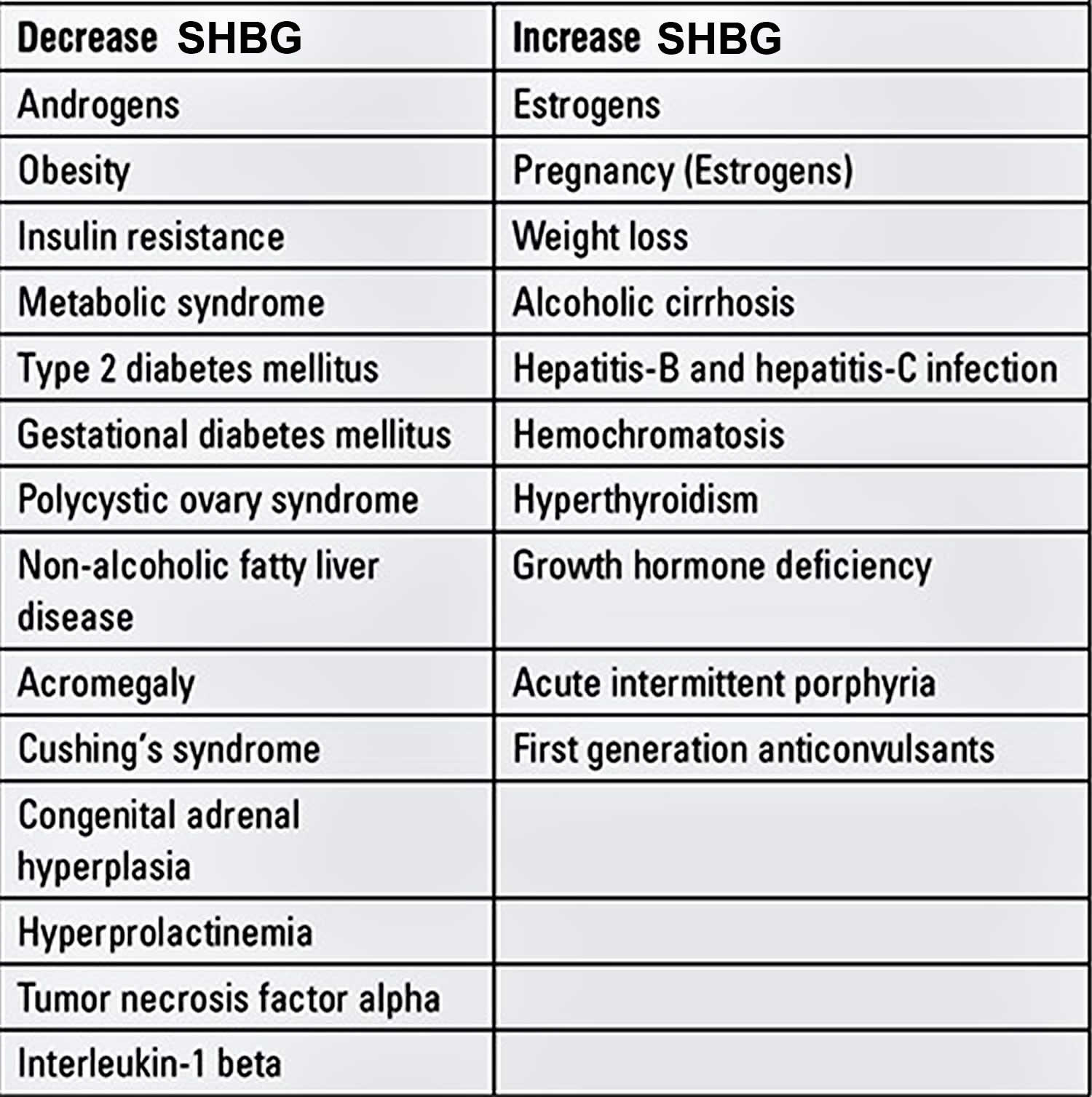
Sex hormone-binding globulin (SHBG) is a glycoprotein from the liver, crucial in regulating sex hormones. It binds mainly to testosterone and estrogen, regulating free hormones’ bioavailability, impacting processes like reproduction and metabolism. SHBG levels are affected by age, sex, and health conditions like PCOS and obesity, serving as a diagnostic marker for hormone-related disorders. Factors such as insulin, BMI, and medications also influence SHBG, necessitating its understanding for hormonal balance.

Understanding Synthroid: A thorough clue to Thyroid Medication

Synthroid, a synthetic thyroid hormone, is vital for treating hypothyroidism by supplementing insufficient hormone levels. It alleviates symptoms like fatigue and weight gain, enhances metabolic balance and energy. Typically taken orally on an empty stomach, its dosage varies individually, necessitating regular monitoring and communication with healthcare providers to maximize benefits and manage any side effects.

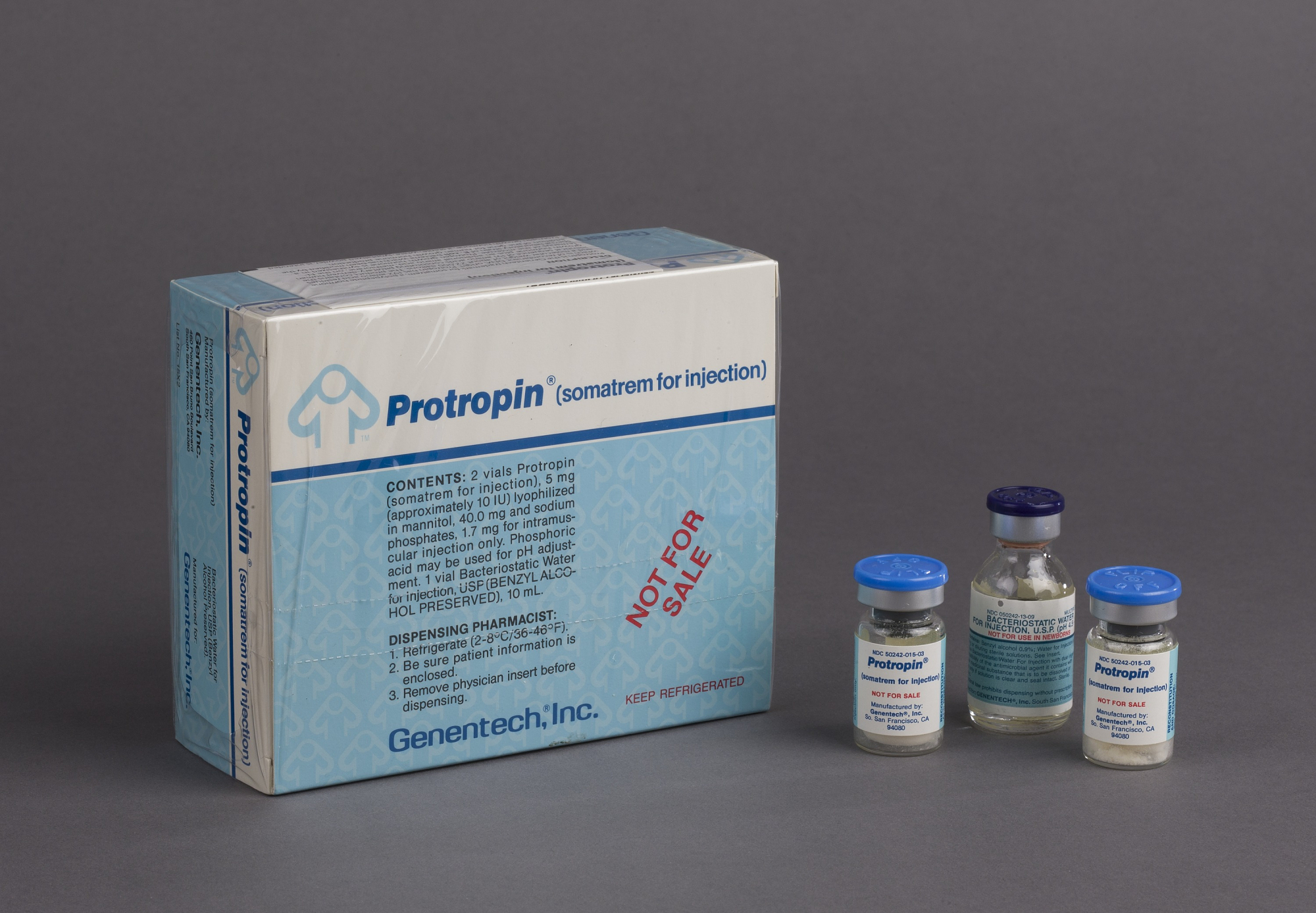
Protropin: A Game Changer in Treating Growth Hormone Deficiency

Protropin, developed in the 1980s by Genentech, is a bioengineered human growth hormone crucial for treating growth hormone deficiencies, especially in children with such disorders. This recombinant hormone replaced earlier treatments that used somatotropin from human pituitary glands, reducing contamination risks. Although initially groundbreaking, Protropin has been largely replaced by newer formulations identical to natural growth hormone, offering better efficacy and safety in modern medical practice.

L-Thyroxine: A Thyroid Hormone Replacement

L-Thyroxine, or levothyroxine, is a synthetic thyroid hormone used primarily to treat hypothyroidism, where insufficient hormone production results in fatigue, weight gain, and mental fog. It supplements missing thyroid hormones, normalizing metabolism. Dosage varies based on age, weight, and health conditions, requiring monitoring to ensure effectiveness and minimize side effects.

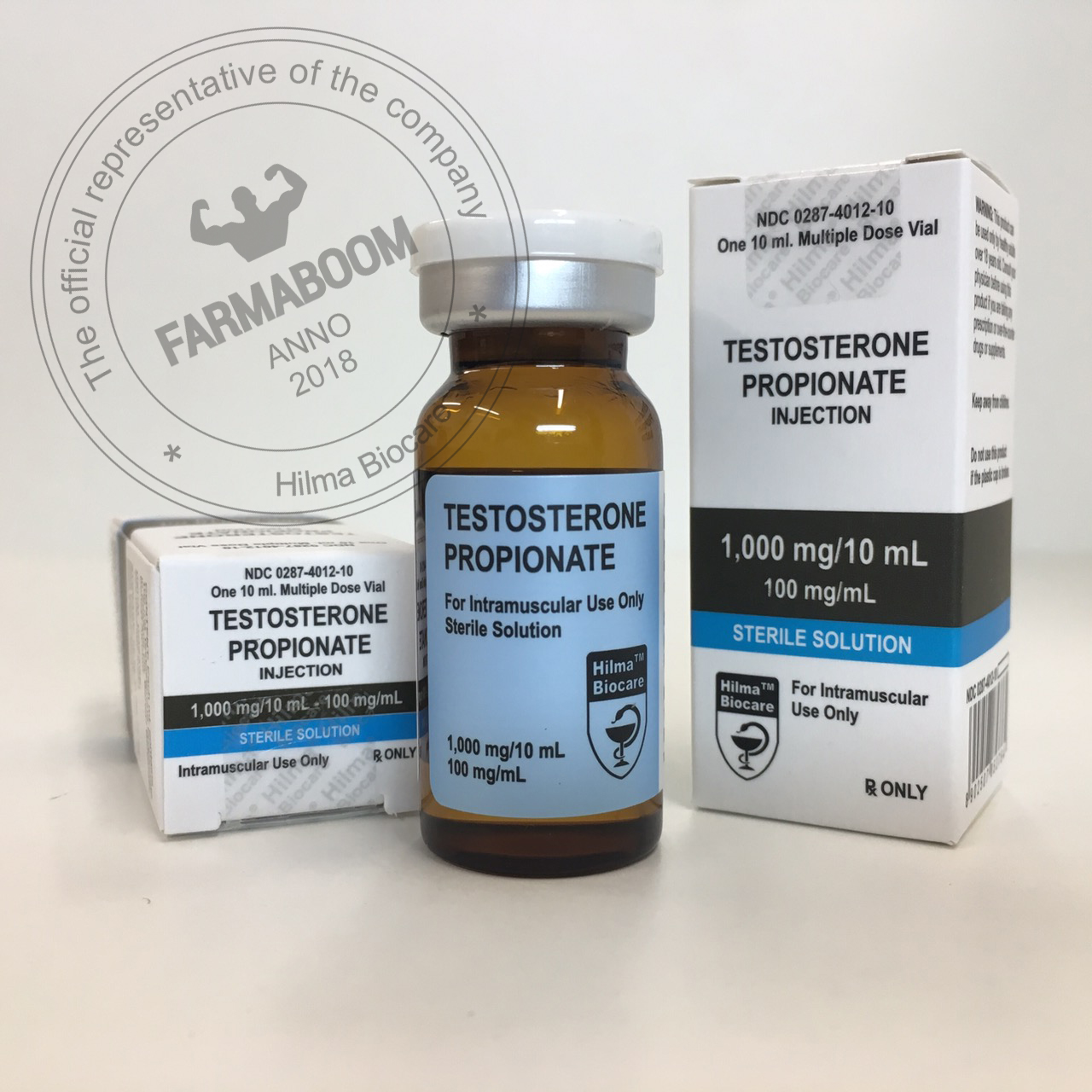
Testosterone Propionate

Testosterone, a key hormone in the human body, affects both genders but is particularly influential in male development. It is vital for forming male reproductive tissues and promoting secondary sexual characteristics like muscle and bone mass. Testosterone impacts mood, energy, and cognitive abilities. Its levels are crucial indicators of health, with deficiencies linked to hypogonadism or andropause. This hormone’s role extends beyond physical attributes, influencing psychological and physiological processes, with its significance continuously evolving in medical and wellness contexts.

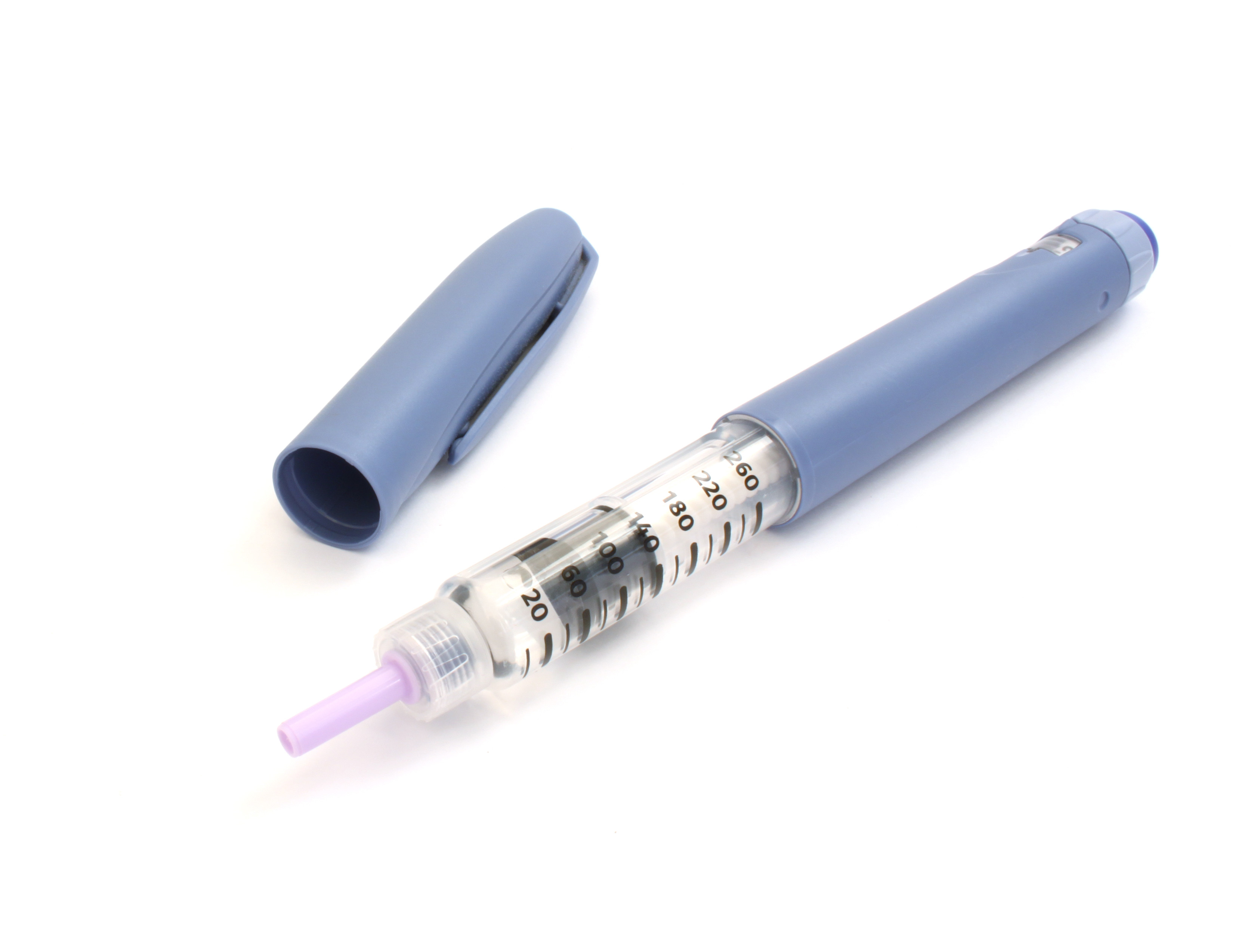
Insulin

Insulin is a vital hormone produced by the pancreas essential for regulating blood glucose levels. It lowers blood sugar by enabling cells in the liver, muscle, and fat tissue to absorb glucose, storing it as glycogen. It plays a key role in metabolic signaling, influencing fat synthesis and storage.

Delatestryl

Delatestryl, a testosterone injection, is primarily used to treat male hypogonadism by restoring testosterone levels, thus aiding in muscle mass, bone density, and sexual function. Administered intramuscularly, it requires medical oversight for proper dosage, minimizing potential side effects such as mood changes.

From Research to Reality: The Evolution of Sermorelin in Medical Practice

Sermorelin is a synthetic peptide designed to boost the body’s growth hormone levels naturally, offering anti-aging benefits like better skin elasticity and energy. Unlike direct HGH injections, sermorelin stimulates the pituitary gland to enhance human growth hormone production, aiding cell regeneration, weight management, and vitality enhancement. However, while it’s popular in beauty and wellness, it’s crucial to consult healthcare professionals before starting any peptide therapy, as more studies are needed to validate its long-term efficacy and safety.

Breaking Down the Myths: Fact vs. Fiction About Sermorelin

Sermorelin, a synthetic peptide mimicking growth hormone-releasing hormone, is gaining attention in skincare and wellness for its anti-aging and weight management benefits. It enhances HGH production, improving skin elasticity, metabolism, and mood. Known for aiding youthfulness and vitality, it’s used responsibly under professional guidance to ensure safety.

The Role of Sermorelin in Fitness and Body Composition

Sermorelin, a growth hormone-releasing hormone analog, is gaining attention for boosting HGH levels naturally by stimulating the pituitary gland. This could lead to increased muscle mass, faster recovery, and fat loss, appealing to those in demanding training. Unlike illegal HGH injections, sermorelin promotes natural hormone production, reducing risks while enhancing performance. Administered via subcutaneous injections tailored to individual goals, sermorelin offers a potentially safer route to performance enhancement, but medical consultation is advised to ensure alignment with fitness and health objectives.

Sermorelin for Anti-Aging: Does It Live Up to the Hype?

Sermorelin is a popular peptide that has gained attention in the fitness and bodybuilding communities 🚴‍♂️. Unlike anabolic steroids, sermorelin works by stimulating the pituitary gland to naturally produce more growth hormone. This peptide is often sought after for its potential to improve body composition, increase energy levels, and promote overall well-being. What is Sermorelin?Read More

The Impact of Liothyronine on Weight Management and Metabolism

Liothyronine is a synthetic form of the thyroid hormone triiodothyronine (T3) often used to treat hypothyroidism. This medication works by providing a direct replacement for the deficient thyroid hormone, ensuring the restoration of normal metabolic rates and energy levels🏋️‍♂️. It is frequently utilized by bodybuilders and fitness enthusiasts to enhance metabolic rates, support weight loss,Read More

Left Menu Icon