How to build a bigger upper chest
Understanding the Upper Chest Development
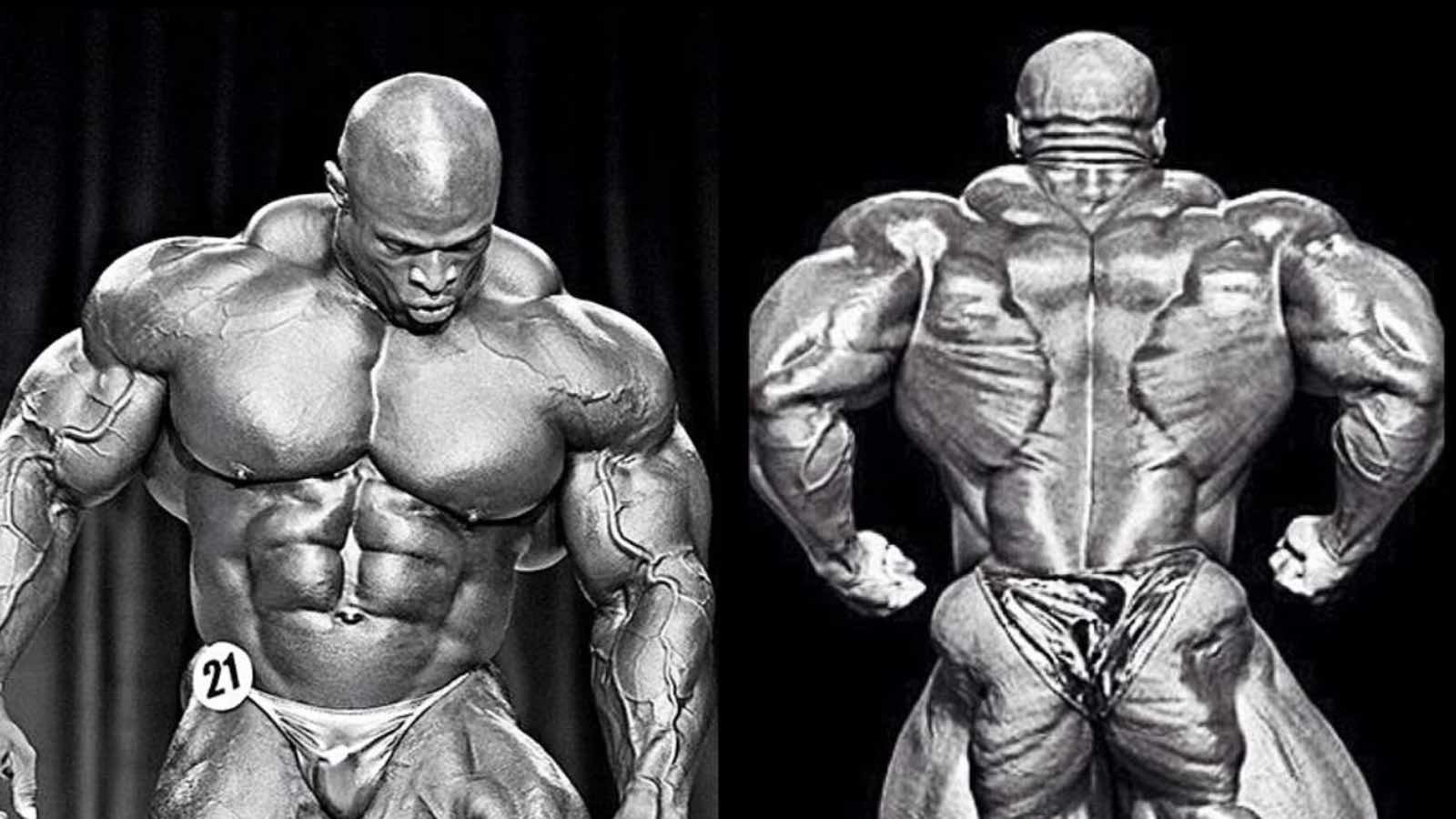
The upper chest, or the clavicular head of the pectoralis major, is often a focal point in bodybuilding due to its contribution to overall chest aesthetics and muscular symmetry. Developed upper chest muscles provide a solid base for powerful presses and enhance the physique by creating a fuller appearance during competition. It’s essential to focus your training on this area if you aspire to create a well-balanced and visually impressive upper body.

Why Target the Upper Chest?
Developing the upper chest is crucial for several reasons:
- Aesthetics: A prominent upper chest improves the overall proportions of your physique, contributing to the coveted V-taper appearance.
- Performance: Strength in the upper chest enhances your capabilities in compound exercises such as the bench press and incline press.
- Injury Prevention: A well-developed upper chest can help balance muscle development, reducing the risk of shoulder injuries.
Muscle Anatomy of the Upper Chest
To effectively target the upper chest, understanding its anatomy is paramount. The upper chest comprises:
- Pectoralis Major (Clavicular Head): This muscle is responsible for flexing, adducting, and medially rotating the shoulder joint.
- Pectoralis Minor: While not primarily a target muscle in upper chest training, this muscle stabilizes the scapula and supports the pectoralis major during pressing movements.
Effective Exercises to Build a Bigger Upper Chest
Here are some of the most effective exercises specifically targeting the upper chest.
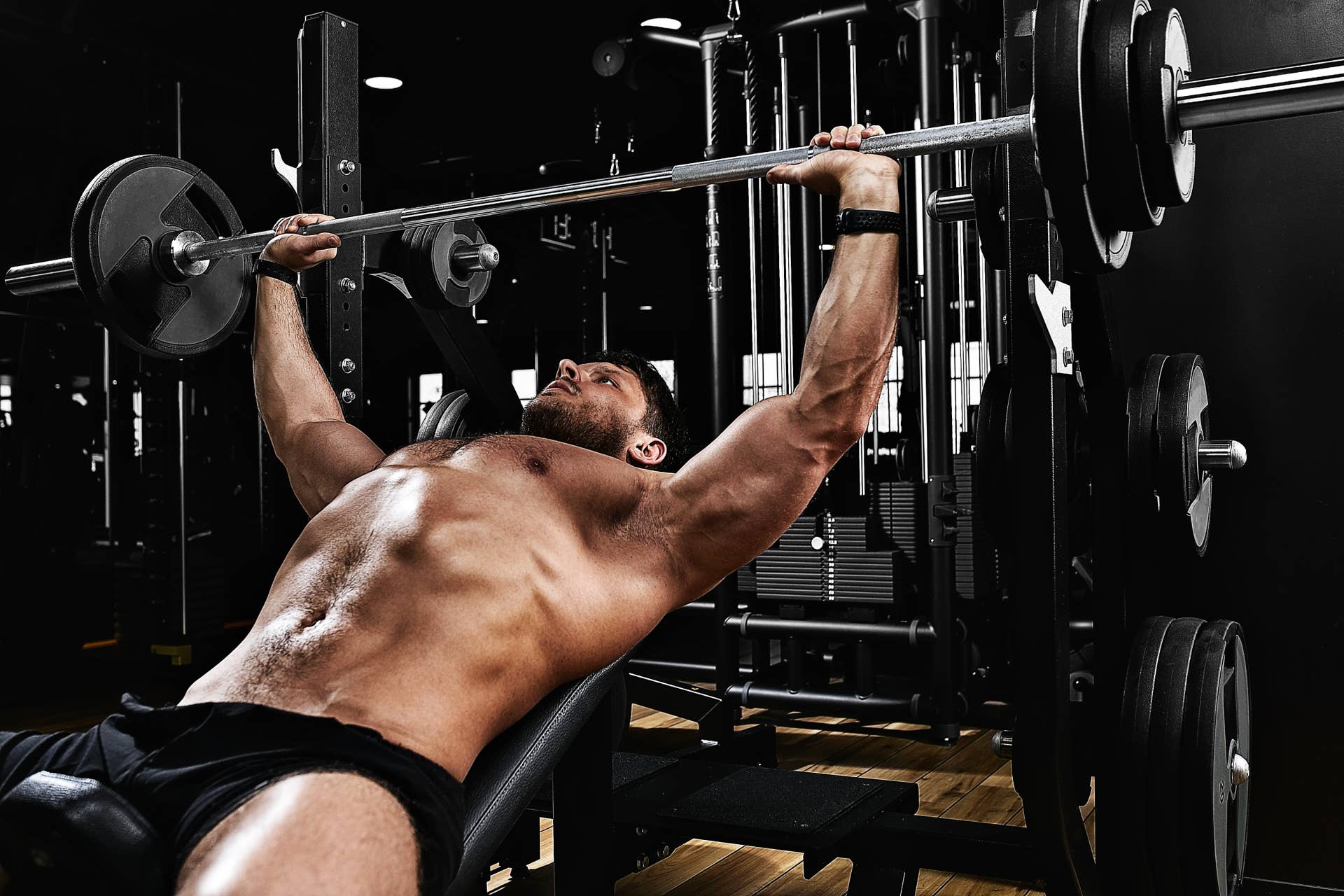
1. Incline Bench Press
The incline bench press is one of the best compound movements to develop the upper chest.
- How to Perform: Set the bench to an incline of 30 to 45 degrees. Use a barbell or dumbbells, lowering to the upper chest while keeping your elbows tucked in.
- Focus: Control the weight and engage the upper pectorals by ensuring that your shoulder blades are retracted throughout the movement.
2. Incline Dumbbell Flyes
This isolation exercise allows for a deeper stretch and contraction, focusing intensely on the upper chest.
- How to Perform: Lying on an incline bench, hold dumbbells above your chest, and lower them in an arc while keeping a slight bend in your elbows.
- Focus: Feel the stretch in your upper chest at the bottom of each rep for maximum engagement.
3. Cable Flyes on an Incline
Cable flyes are great for maintaining constant tension on the upper chest muscles throughout the movement.
- How to Perform: Adjust the cables to the lowest setting, gripping the handles and pulling upwards and together at an angle.
- Focus: Ensure your shoulder blades are retracted and keep the motion fluid.
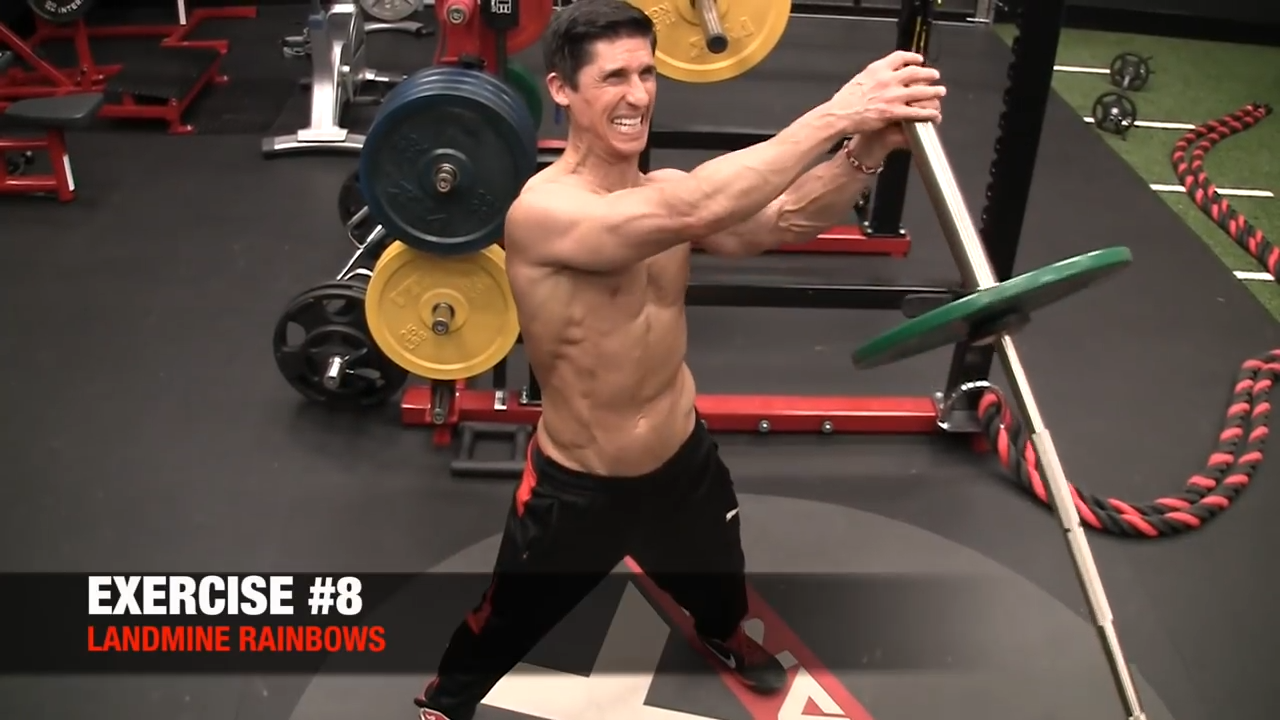
4. Landmine Press
This unique exercise targets the upper chest while providing stability, which is beneficial for pressing power.
- How to Perform: Secure one end of a barbell in a landmine attachment and press the other end upward at an angle.
- Focus: Keep your core tight and press with your upper chest to enhance muscle activation.
5. Push-Ups with Feet Elevated
Elevating your feet increases the emphasis on the upper portion of your chest during this compound movement.
- How to Perform: Place your feet on a bench or box and perform standard push-ups, focusing on maintaining a straight line from head to heels.
- Focus: Squeeze your upper chest at the top of the movement for maximum engagement.
How to Structure Your Upper Chest Workouts
To effectively build your upper chest, training frequency, volume, and intensity must be considered. Here’s a suggested structure for your upper chest workouts.
1. Frequency
Train your upper chest 1-2 times a week, allowing sufficient recovery. This frequency optimizes muscle growth while preventing overtraining.
2. Volume
Aim for 12-20 sets per week for the upper chest. This can be spread across your dedicated upper chest day or integrated into a larger chest routine.
3. Intensity
Utilize a combination of rep ranges. For strength, stay within 6-8 reps per set; for hypertrophy, utilize higher ranges of 10-15 reps. Implementing drop sets and supersets can further target muscle fatigue and growth.
Nutrition for Upper Chest Growth
Nutrition plays a pivotal role in muscle growth and recovery. Follow these nutrition tips to support your upper chest development:
1. Protein Intake
Consume high-quality protein sources such as lean meats, dairy, and plant-based proteins. Aim for 1.2-2.2 grams of protein per kilogram of body weight to promote muscle repair and growth.
2. Meal Timing
Consider nutrient timing, particularly post-workout. A meal or shake containing protein and carbohydrates within 30 minutes of your workout can help replenish glycogen stores and kickstart recovery.
3. Healthy Fats
Incorporate sources of healthy fats, such as avocados, nuts, and olive oil, to support hormone production, which is crucial for muscle growth.
4. Hydration
Stay adequately hydrated to support performance and recovery. Dehydration can impair muscle function and overall energy levels.
Understanding the Role of Anabolic Agents
In the realm of enhanced bodybuilding, the use of anabolic steroids and other compounds can play a significant role in muscle gain and overall performance. However, one must approach this topic with caution and thorough knowledge.
The Science Behind Anabolics
Anabolic steroids facilitate protein synthesis and nitrogen retention, thereby aiding in muscle recovery and growth. Common compounds include testosterone and its derivatives, which not only increase muscle mass but also enhance training capacity.
Responsible Use
For bodybuilders considering enhancement, it’s essential to approach anabolic use with a clear understanding of cycles, potential side effects, and the necessity of post-cycle therapy (PCT).
Monitoring Health
Regular health check-ups and monitoring are vital when utilizing anabolic agents. Blood tests can help evaluate liver function, hormone levels, and other health markers, ensuring that your body remains in optimal working order.
Frequently Asked Questions
What is the best exercise for targeting the upper chest?
The incline bench press is widely regarded as the most effective exercise for upper chest development, as it allows for heavy loading and proper muscle engagement.
How often should I train my upper chest for optimal growth?
Training your upper chest 1-2 times a week, with adequate recovery, is ideal for promoting muscle growth without risking overtraining.
What role does nutrition play in upper chest development?
Proper nutrition, including sufficient protein intake, healthy fats, and carbohydrates, is crucial for muscle recovery and growth, directly impacting your upper chest development.
Can anabolic steroids help with upper chest growth?
Anabolic steroids can aid muscle growth and recovery; however, it’s essential to use them responsibly and be aware of potential side effects.
Conclusion
Building a bigger upper chest requires a combination of targeted exercise, structured workouts, and a robust nutritional plan. By focusing on the right movements and maintaining a systematic approach to training, as well as considering the science behind pharmacological aids, experienced bodybuilders can achieve the upper chest development they desire. Remember, patience and consistency are key in any bodybuilding journey.
FREE SHIPPING
BIG SALE | FAST SHIPPING
HOT PROMOTIONS!



SOMATROPIN 100IU AXIOM HGH

Original price was: $ 309.00.$ 239.00Current price is: $ 239.00.
SUSTANON 500 AUCTUS TESTOSTERONE BLEND 10ML

Original price was: $ 149.00.$ 129.00Current price is: $ 129.00.

PRIMOBOLAN ENANTHATE AUCTUS 100MG 10ML

Original price was: $ 141.00.$ 131.00Current price is: $ 131.00.
AUCTUS Nandrolone Phenylpropionate NPP 100mg 10ml
Original price was: $ 219.00.$ 119.00Current price is: $ 119.00.
CROWX 👑 CIAROW 25 MG / 50 Tabs (Sildenafil)

Original price was: $ 211.00.$ 119.00Current price is: $ 119.00.