Illustra Peptides Labs Review: Range, Quality and Use
The short answer: independent information on Illustra Peptides Labs is thin. You won’t find lab-run comparisons, peer-reviewed analysis of its vials or a long trail of third-party batch tests. So this Illustra Peptides Labs review can’t hand you a score. It can show you what to check, and what to do with claims you can’t check.
Illustra Peptides Labs in Brief: What Can Be Verified
Start with a disclosure. 24-7.is lists Illustra among its brands, so we have a commercial link to it, and you should read this piece with that in mind.
What we can say is limited to what is on the page. Anything the brand says about purity, quality control or manufacturing is the brand’s own claim. It stays unverified until a batch-specific document, from a lab you can name, backs it up.
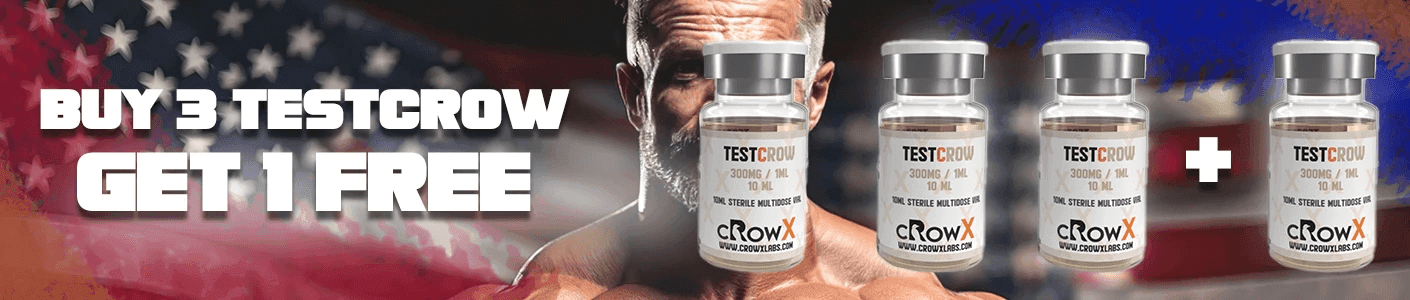
That is the standard we apply to every brand in this space. If you want to see it in use, our Stada Labs review and our Crowx Labs review work through range, paperwork and buying details the same way. Reading all three side by side is the closest thing to a wider peptide brands review you can build from what’s checkable, and it shows quickly which brands document their product and which only describe it.
The verdict, then, depends on you. A brand with thin independent coverage can still be a reasonable choice if its certificates are batch-specific, its labels are complete and the purchase is lawful where you live. If those pieces are missing, treat the quality claims as unverified, whatever the product page says.
One practical habit: save a dated copy of every claim on the product pages you care about, plus any certificate file you can open, and note the batch number shown. That log becomes your own primary evidence, and it protects you if a page changes after you order.
Illustra Peptides Labs Products: The Range, Organized by Peptide Class
Product titles, amounts and purity claims on a live catalog change, so we haven’t copied a list here that could be out of date by the time you read it. Open each Illustra product page and read the title exactly as written. Then sort what you find by class.
For every product, note four fields and whether the page states them at all:
- the form (lyophilized powder or ready-made solution)
- the amount per vial
- the purity claim, and the method behind it
- any batch number or certificate link
A missing field is information. A page that gives a purity percentage but no method, or an amount but no form, is telling you how much documentation sits behind the product.
The classes worth knowing in this market are tissue-repair peptides (BPC-157 and TB-500 are the usual names), growth hormone-releasing peptides and secretagogues, and copper peptides such as GHK-Cu. Only discuss the ones the page really lists. If a class isn’t there, skip it and don’t assume the brand covers it.
Matching Each Listed Compound to Its Class
Take each title you recorded and place it in a row. This keeps you from mixing up evidence between compounds that sound alike, which happens constantly in this category.
| Class | Typical examples | Where the evidence comes from |
|---|---|---|
| Tissue-repair peptides | BPC-157, TB-500 | Mostly cell and animal work |
| Growth hormone-releasing peptides | GHRP-type and secretagogue compounds | Hormone-release measurements, some human studies |
| Copper peptides | GHK-Cu | Cell work, small topical studies |
| Approved peptide medicines | Semaglutide | Large randomized trials |
If a title doesn’t fit any row, look up the compound’s exact name before going further. And if the product page itself makes claims about what a compound does in the body, note that too, because that wording matters later in the legal section.
Evidence Behind Each Peptide Class: What the Data Shows
Think of evidence as a ladder. Cell experiments sit at the bottom, then animal studies, then small human studies, then randomized controlled trials. Most peptides sold with a research label are stuck on the lower rungs, and a sensible reader doesn’t pretend otherwise.
Approved Peptide Medicines Set the Evidence Bar
The STEP 1 trial is the reference point for what strong evidence looks like. Roughly 2,000 adults with overweight or obesity were randomized to weekly semaglutide 2.4 mg or placebo, and at 68 weeks the drug group averaged about 15% body-weight loss against about 2% on placebo (Wilding et al. New England Journal of Medicine, 2021).
Notice what made that result strong: a large sample, a placebo group, a fixed dose, a defined route and a regulated product made to a pharmaceutical standard.
An approved medicine and a research-labeled vial that shares its name are different products. The trial tells you about the first. It tells you nothing about the purity, dose or sterility of the second, and no certificate on a research vial turns trial data into a promise.
Research-Only Classes: Animal, Cell and Small Human Studies
Tissue-repair peptides. BPC-157 has a sizeable animal literature, mostly rodent models of tendon, gut and muscle injury. Human data are very limited: a handful of small or uncontrolled reports, not the kind of trials that settle efficacy or safety. TB-500 is a synthetic fragment related to thymosin beta-4, and the supporting work is mostly cell and animal studies; where thymosin beta-4 itself has been tested in people, those trials don’t use TB-500 or the same route, so they can’t be borrowed as proof.
Growth hormone-releasing peptides. This class has the firmest human footing, because researchers can measure growth hormone release directly. That is a biomarker, though, not a training or health outcome. Some compounds related to this field are approved for narrow clinical uses, but approval for a diagnostic or a specific condition doesn’t carry over to a research vial bought for another purpose.
Copper peptides. GHK-Cu has cell studies and some small studies on skin, mostly topical and often cosmetic. Those results don’t transfer to injected use, and the trials are too small to carry much weight.
Where human data are absent, say so plainly: no human trial means no human evidence, and a stack of animal papers doesn’t change that. If you’re hoping a research peptide will do for you what a rodent study showed, you’re extrapolating a long way.
Peptide Storage and Reconstitution: The Handling Basics
Peptides degrade with heat, light and moisture, so most of good handling is keeping those three away. A vial stored badly loses potency before you ever open it, and you can’t see that happen.
Unopened lyophilized vials keep best sealed, cold, dark and dry. The usual pattern is the freezer for long-term storage and the fridge for the short term, but follow the label, because storage advice differs between compounds. A page or label with no storage guidance at all is a quality signal in its own right.
Before opening a cold vial, let it come up to room temperature. Opening it straight from the fridge pulls condensation into the powder, and moisture is exactly what you’re trying to keep out.
Reconstitution Steps That Protect Product Integrity
This covers product integrity only. It doesn’t cover volumes, concentrations, dosing or injection technique, and it isn’t a substitute for guidance from a clinician.
Because a reconstituted peptide is far less stable than the powder, the handling rules get stricter:
- Use the diluent the label names, and nothing else.
- Add it slowly, letting it run down the inside wall of the vial.
- Swirl gently until clear. Shaking can damage the peptide chains.
- Write the date on the vial the moment it’s mixed.
- Keep it refrigerated.
- Use it within the short window the label gives.
If the solution is cloudy, has particles in it or has sat past its date, throw it away. A reconstituted vial has a short, label-dependent usable life, and a clear liquid isn’t proof that it’s still good.
Quality Red Flags in Research Peptides and How to Check a Batch
You can’t taste, smell or see purity. What you can do is read the paperwork closely, and with research peptides quality lives almost entirely in the documents.
Reading a Certificate of Analysis Line by Line
A certificate that gives one purity percentage with no batch number, no testing lab and no identity test is hard to rely on. A credible batch report shows these lines:
- Batch number. It must match the number on your vial. A certificate for “the product” in general proves nothing about yours.
- Named testing lab. Look for accreditation to ISO/IEC 17025, the standard for testing laboratories. A lab name you can’t look up is a weak sign.
- Test date. It should fall before the vial was sold and be plausible for the batch.
- HPLC purity, with the method stated. HPLC measures the share of the main peak. A percentage without the method behind it is a number, not a result.
- Mass-spectrometry identity. This checks that the molecular weight matches the expected sequence, so it answers a different question from purity.
Two limits matter here. Neither HPLC nor mass spectrometry says anything about sterility or endotoxin, which need their own tests. And one certificate covers one tested batch, so a report from last spring says nothing about the vial you receive this month if the batch number differs.
Warning Signs on the Page, the Label and the Price
Some problems show up before you read a single chromatogram. Be wary of:
- the same certificate appearing on several products or batches
- purity claims with no method named
- “pharmaceutical grade” wording, which has no regulated meaning for research chemicals
- no storage advice on the page or the label
- promises about outcomes, such as healing, fat loss or muscle gain
- prices far below the rest of the market, because purification and testing cost money
Any one of these is a reason to pause. Several together are a reason to walk away.
Safety and Legal Considerations for Buyers
This section is general information, not legal advice. Your own country’s rules decide what you can lawfully buy and use.
What a Research Use Only Label Does and Doesn’t Change
In US law, a product’s status turns on its intended use, judged from labeling, advertising and the circumstances of distribution (21 CFR 201.128). The EU and UK medicines definitions also turn on how a product is presented and what it is for.
So a “research use only” disclaimer doesn’t, by itself, make a product lawful or safe for human use. If a product is marketed or sold in a way that points to human use, the disclaimer carries little weight. Many jurisdictions also restrict unapproved peptides outright, so check the rules where you live before you order, not after the parcel arrives.
Sport Testing, Health Risks and Who Should Be Cautious
If you compete in tested sport, this matters more than anything else in the article. WADA’s Prohibited List places growth hormone secretagogues, growth hormone-releasing peptides and thymosin-beta-4 derivatives such as TB-500 in its prohibited categories, and it names BPC-157 among non-approved substances. The list is revised every year, so check the current edition. Tested athletes are strictly responsible for whatever is in their bodies, and “the label said research only” is not a defence.
Then there is the health side. Most research-labeled peptides have thin human safety data, and the practical risks are the ones nobody can see: unknown concentration, contamination and non-sterile preparation. A clean-looking vial may still be under- or over-filled, and a certificate that skips sterility testing leaves that question open.
Speak to a clinician first if you are under 18, pregnant or trying to conceive, living with a medical condition or taking prescription medicines. This guide won’t tell you a research peptide is safe for you, because the evidence to say that doesn’t exist for most of them.
Before You Order From Illustra Peptides Labs: A Buyer’s Checklist
Here is the balance as far as it can be verified. In the brand’s favour: it sits alongside other brands in a retailer’s catalog, so you can compare it with the others, and any product page that states form, amount, purity method and a batch-linked certificate gives you something concrete to assess. Against it: independent information is thin, and every quality claim stays the brand’s own until a document you can check supports it.
Run through these before you buy:
- Check the class. Is the compound in a class with evidence you can follow, and do you understand how much of that evidence is animal or cell work?
- Check the paperwork. Does the certificate carry a batch number matching your vial, a named lab, a test date, HPLC purity with the method and a mass-spectrometry identity result?
- Check the law. Is buying and using it lawful where you live, and if you compete in tested sport, is it on the WADA list?
- Check your plan. Do you have cold, dark, dry storage ready, plus a label for dating, before the parcel arrives?
If any answer is no, that’s your answer for now. Only if all four hold is it worth comparing listings, and the substances category puts them in one place.
Frequently asked questions
Is Illustra Peptides Labs a legitimate brand?
There isn’t enough independent information to say either way. Legitimacy here comes down to documents: a batch-specific certificate with a named lab, HPLC purity and mass-spectrometry identity. Until you can see those for your batch, treat the brand’s quality claims as unverified.
Does a research use only label make a peptide legal to use?
No. Legal status follows intended use, judged from labeling, marketing and how the product is sold, so a disclaimer alone doesn’t make human use lawful. Many countries also restrict unapproved peptides, so check your local rules.
How long does a reconstituted peptide last?
It depends on the compound and the label, but the window is short, and the solution must stay refrigerated and dated. Discard anything cloudy, with particles, or past the label’s limit. Don’t assume a clear liquid is still usable.
Can tested athletes use BPC-157 or TB-500?
No. WADA’s Prohibited List covers thymosin-beta-4 derivatives such as TB-500 and names BPC-157 among non-approved substances. Athletes are strictly responsible for what’s in their bodies, so a research label offers no protection.
Is purity on a certificate enough to trust a vial?
No. HPLC purity shows the share of the main peak, and mass spectrometry confirms identity, but neither tests for sterility or endotoxin. The certificate also has to match your batch number, because it only covers the batch that was tested.