
Mesterolone: Clinical Uses, Mechanism & Considerations
Mesterolone represents a unique compound within the androgen class, distinguished by its specific chemical structure and clinical applications. Originally developed in the 1960s, this synthetic androgen derivative has maintained relevance in clinical practice for specific indications, particularly in regions outside the United States. Understanding its pharmacological properties, therapeutic uses, and associated considerations provides essential context for medical professionals and informed individuals researching androgen therapies.
Chemical Structure and Pharmacological Properties
Mesterolone is a 1-methylated derivative of dihydrotestosterone (DHT), which gives it distinct characteristics compared to other anabolic-androgenic steroids. The chemical structure documented by PubChem shows the addition of a methyl group at the 1-position, which significantly affects its metabolic stability and oral bioavailability.
Mechanism of Action
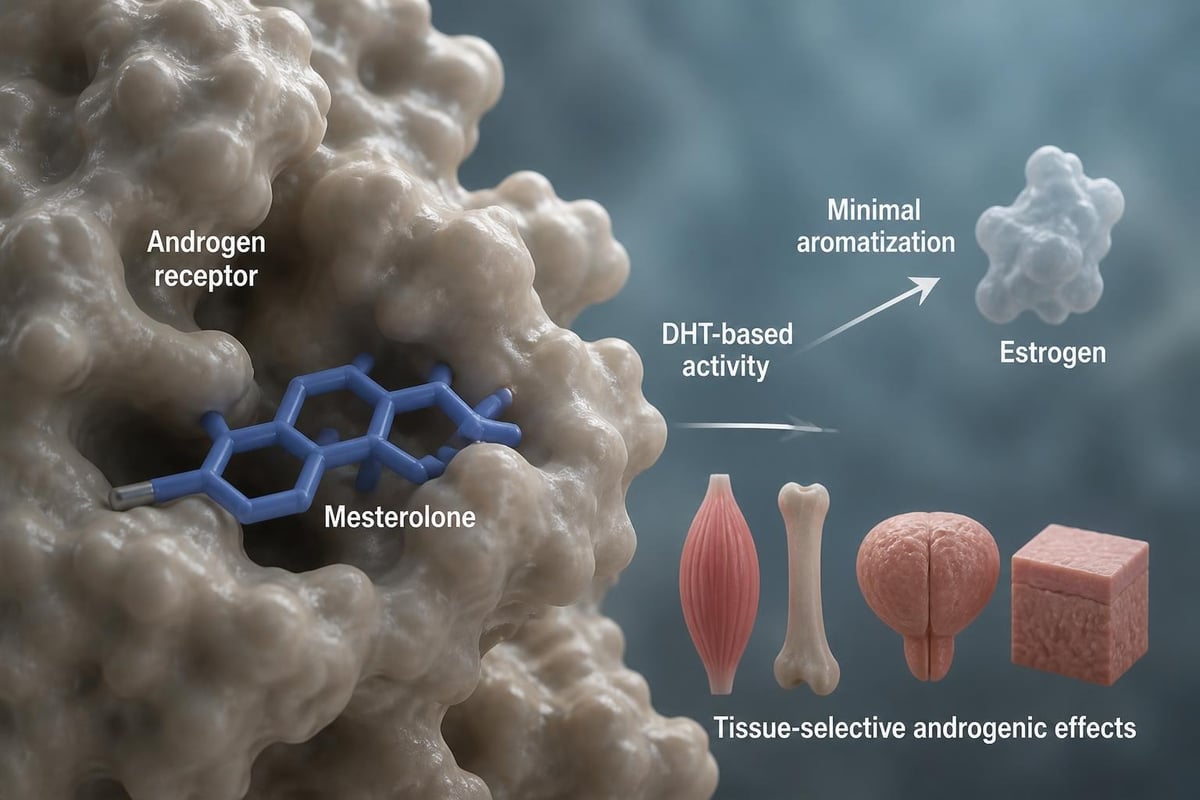
The compound functions primarily as an androgen receptor agonist, binding to androgen receptors throughout the body to produce androgenic effects. Unlike many synthetic androgens, mesterolone does not undergo significant aromatization to estrogen, which distinguishes its side effect profile from other testosterone derivatives.
Key pharmacological characteristics include:
- Oral bioavailability maintained through structural modifications preventing rapid hepatic metabolism
- Minimal aromatization reducing estrogen-related side effects
- DHT-based activity providing potent androgenic effects without significant anabolic properties
- Hepatic resistance allowing passage through first-pass metabolism
Absorption and Metabolism
Following oral administration, mesterolone demonstrates adequate absorption from the gastrointestinal tract. The methylation at the 1-position provides protection against rapid hepatic degradation, extending its biological half-life compared to unmodified DHT. The compound undergoes hepatic metabolism primarily through reduction and conjugation pathways, with metabolites eliminated through renal and biliary routes.
| Pharmacokinetic Parameter | Characteristic |
|---|---|
| Route of administration | Oral |
| Bioavailability | Moderate to good |
| Half-life | Approximately 12-13 hours |
| Metabolism | Hepatic (reduction, conjugation) |
| Excretion | Renal and biliary |
Clinical Applications and Therapeutic Uses
Mesterolone has established clinical applications in specific therapeutic contexts, though its availability and approved indications vary significantly by geographic region. The compound is not approved by the FDA for use in the United States but maintains regulatory approval in various European and other international markets.
Male Hypogonadism Management
The primary clinical indication involves treatment of male hypogonadism, particularly cases involving androgen deficiency. According to clinical practice guidelines on male hypogonadism, mesterolone may serve as adjunctive therapy in specific clinical scenarios, though it has largely been superseded by testosterone replacement protocols in most contemporary practices.
The compound provides androgenic support without significantly suppressing endogenous testosterone production at therapeutic doses, which represents both an advantage and limitation depending on clinical objectives. This characteristic makes it unsuitable as monotherapy for severe hypogonadism but potentially useful in mild cases or as supplemental therapy.
Male Fertility Enhancement
Evidence suggests potential benefits in male factor infertility, particularly cases involving oligozoospermia or asthenozoospermia. Systematic evidence reviews have examined mesterolone’s effects on semen parameters, with some studies indicating improvements in sperm concentration, motility, and morphology in select patient populations.
Typical protocols for fertility applications involve:
- Baseline semen analysis and hormonal assessment
- Initiation at standard therapeutic doses (25-75 mg daily)
- Treatment duration of 3-6 months minimum
- Periodic reassessment of semen parameters
- Evaluation of conception outcomes
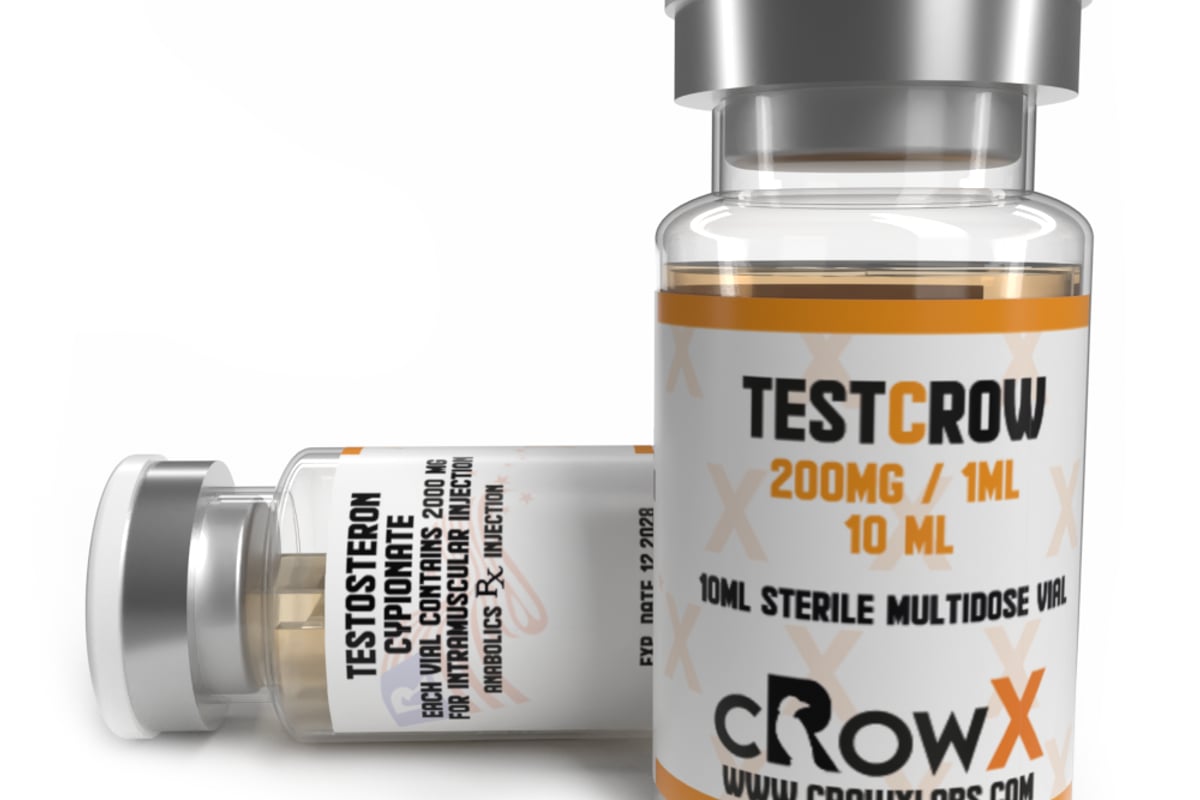
For individuals researching therapeutic androgen protocols, understanding that more robust testosterone replacement options exist is important. Testosterone Cypionate 200mg represents a more potent and widely-utilized approach for clinically diagnosed low testosterone, offering predictable pharmacokinetics and comprehensive replacement therapy under proper medical supervision.
Dosing Protocols and Administration Guidelines
Standard therapeutic dosing varies based on indication, patient characteristics, and regional prescribing practices. Careful attention to dosing protocols ensures optimal therapeutic outcomes while minimizing potential adverse effects.
Recommended Dosage Ranges
For hypogonadism management, typical doses range from 25 mg to 100 mg daily, administered in divided doses. The relatively short half-life necessitates multiple daily administrations to maintain stable serum levels. Initial therapy often begins at lower doses with titration based on clinical response and laboratory monitoring.
| Indication | Typical Daily Dose | Administration Frequency |
|---|---|---|
| Mild hypogonadism | 25-50 mg | 2-3 times daily |
| Moderate hypogonadism | 50-75 mg | 2-3 times daily |
| Male fertility support | 50-100 mg | 2-3 times daily |
Administration Considerations
Tablets should be taken with meals to optimize absorption and minimize potential gastrointestinal effects. Consistent timing of doses throughout the day helps maintain stable hormone levels, which may improve symptomatic relief and treatment outcomes.

Safety Profile and Adverse Effects
Understanding the safety profile remains essential for informed decision-making regarding mesterolone therapy. While generally well-tolerated at therapeutic doses, the compound carries potential risks requiring careful consideration and monitoring.
Common Side Effects
Androgenic side effects represent the most frequently reported adverse reactions, reflecting the compound’s mechanism of action. These may include:
- Oily skin and acne development
- Scalp hair loss in genetically predisposed individuals
- Increased body hair growth
- Prostate enlargement or urinary symptoms
- Mood changes or increased aggression
Serious Adverse Considerations
More significant concerns include potential cardiovascular effects, hepatotoxicity (though generally minimal with mesterolone compared to other oral steroids), and lipid profile alterations. The European Medicines Agency’s safety assessment provides comprehensive regulatory perspective on these risks and recommended monitoring protocols.
Cardiovascular considerations include potential negative effects on cholesterol levels, with decreases in HDL cholesterol and possible increases in LDL cholesterol. These changes warrant regular lipid monitoring, particularly in patients with pre-existing cardiovascular risk factors.
Contraindications and Precautions
Mesterolone is contraindicated in several populations and clinical scenarios:
- Prostate cancer or suspected prostate malignancy
- Male breast cancer
- Hypersensitivity to the compound or formulation components
- Severe hepatic impairment
- Pediatric populations (pre-pubertal males)
Caution is warranted in patients with benign prostatic hyperplasia, cardiovascular disease, diabetes mellitus, and those taking anticoagulant medications. The INCHEM safety factsheet provides additional toxicological information relevant to safety assessment.
Regulatory Status and Anti-Doping Considerations
The regulatory landscape surrounding mesterolone varies significantly across jurisdictions, affecting availability, prescribing practices, and legal considerations. Understanding these regulatory dimensions proves essential for compliance and informed use.
International Regulatory Approval
Mesterolone maintains marketing authorization in various European countries and other international markets, as documented in the EMA’s list of nationally authorised products. However, the compound lacks FDA approval in the United States, where alternative testosterone formulations dominate clinical practice for similar indications.
This regulatory variation reflects different approaches to androgen therapy, evolving clinical evidence, and regional pharmaceutical market dynamics. Practitioners and patients must navigate these differences when considering treatment options across international contexts.
Anti-Doping Classification
For competitive athletes, mesterolone’s classification as a prohibited substance carries significant implications. The World Anti-Doping Agency lists mesterolone among banned anabolic agents, prohibiting its use both in and out of competition across all sports governed by the World Anti-Doping Code.
Detection methods for mesterolone and its metabolites are well-established, with violations resulting in sanctions. Arbitration cases demonstrate real-world consequences of mesterolone detection, including suspensions and result disqualifications. Athletes under doping control must avoid this substance entirely, regardless of therapeutic justification in most competitive contexts.
Laboratory Monitoring and Clinical Assessment
Appropriate monitoring protocols ensure treatment safety and efficacy while identifying potential complications early in the therapeutic course. Comprehensive assessment incorporates both clinical evaluation and laboratory testing.
Baseline Evaluation Requirements
Before initiating mesterolone therapy, thorough baseline assessment should include:
- Complete medical history and physical examination
- Serum testosterone, LH, FSH, and SHBG levels
- Complete blood count
- Comprehensive metabolic panel and lipid profile
- Prostate-specific antigen (PSA) testing in men over 40
- Digital rectal examination for prostate assessment
Ongoing Monitoring Schedule
Regular follow-up ensures early detection of adverse effects and treatment response assessment. Recommended monitoring intervals include:
| Assessment | Initial Phase | Maintenance Phase |
|---|---|---|
| Clinical evaluation | Monthly for 3 months | Every 3-6 months |
| Testosterone levels | 1-2 months | Every 6 months |
| Lipid profile | 3 months | Every 6 months |
| PSA and DRE | 3 months, then 6 months | Annually |
| Liver function tests | 3 months | Every 6 months |
| Hematocrit/hemoglobin | 3 months | Every 6 months |
Drug Interactions and Combination Considerations
Mesterolone’s interaction profile warrants attention, particularly when combined with other medications or supplements. Understanding these interactions prevents adverse outcomes and optimizes therapeutic efficacy.
Anticoagulant Interactions
Androgens including mesterolone may potentiate the effects of anticoagulant medications such as warfarin. This interaction necessitates more frequent INR monitoring and potential dose adjustments of anticoagulant therapy. Patients receiving concurrent treatment require heightened surveillance to prevent bleeding complications.
Insulin and Hypoglycemic Agent Interactions
Androgenic compounds may alter glucose metabolism and insulin sensitivity, potentially affecting diabetic control. Patients with diabetes mellitus taking mesterolone may require adjustments in insulin or oral hypoglycemic medication dosages. Regular glucose monitoring helps identify necessary modifications to diabetic treatment regimens.
Combination with Other Hormonal Agents
When used alongside other androgenic or anabolic compounds, synergistic effects on both therapeutic outcomes and adverse reactions may occur. Such combinations require careful medical supervision, as cumulative androgenic load increases risks of side effects while potentially enhancing desired therapeutic effects in specific clinical contexts.

Patient Selection and Individualized Treatment Planning
Optimal outcomes with mesterolone therapy require careful patient selection and individualized treatment approaches. Not all individuals with androgen deficiency or male factor infertility represent appropriate candidates for this specific compound.
Ideal Candidate Characteristics
Patients most likely to benefit from mesterolone therapy typically present with:
- Mild to moderate androgen deficiency with preserved testicular function
- Male factor infertility with specific semen parameter abnormalities
- Contraindications to more potent testosterone replacement
- Geographic location where the compound maintains regulatory approval
- Absence of contraindications and significant cardiovascular risk factors
Alternative Treatment Considerations
For many patients, alternative approaches may offer superior efficacy or safety profiles. Modern testosterone replacement protocols provide more robust and predictable hormone optimization. Human chorionic gonadotropin (hCG) therapy may better preserve fertility in hypogonadal men. Selective estrogen receptor modulators (SERMs) represent another alternative for specific indications.
Treatment decisions should incorporate comprehensive discussion of risks, benefits, alternatives, and expected outcomes. Shared decision-making between clinician and patient ensures alignment of therapeutic interventions with individual goals, preferences, and medical circumstances.
Future Perspectives and Evolving Clinical Role
The clinical role of mesterolone continues evolving as newer therapeutic options emerge and evidence accumulates regarding optimal androgen management strategies. Understanding current trends helps contextualize the compound’s position in contemporary medical practice.
Declining Clinical Utilization
In many markets, mesterolone prescribing has declined as more effective and convenient testosterone formulations have become available. Long-acting injectable testosterone preparations, transdermal systems, and subcutaneous pellets offer advantages in efficacy, convenience, and pharmacokinetic predictability for most hypogonadal patients.
Niche Applications
Despite overall declining use, mesterolone retains potential value in select scenarios where its unique properties offer specific advantages. These niche applications may include situations requiring minimal suppression of endogenous testosterone production or specific fertility preservation objectives in selected patient populations.
Research Gaps and Evidence Needs
Additional high-quality clinical trials could better define optimal use cases, refine dosing protocols, and clarify comparative effectiveness versus alternative treatments. Current evidence bases, while adequate for established indications, would benefit from modern, well-controlled studies addressing contemporary clinical questions and utilizing current outcome measures.
Mesterolone represents a specialized androgen therapy with specific clinical applications, though its use has become increasingly limited compared to more modern testosterone replacement options. Understanding its pharmacology, appropriate indications, safety considerations, and regulatory status enables informed decision-making for both medical professionals and individuals researching hormonal therapies. Whether you’re exploring therapeutic options for androgen optimization or seeking reliable sources for physician-prescribed protocols, 24-7.is provides access to a comprehensive range of hormonal products with the quality and reliability necessary for safe, effective use under appropriate medical supervision.