

Nandrolone Before and After: Results & Timeline
Understanding the realistic expectations for nandrolone before and after results requires examining both clinical evidence and real-world outcomes. Nandrolone decanoate, one of the most extensively studied anabolic-androgenic steroids, has been used medically since the 1960s for conditions ranging from muscle wasting to osteoporosis. While medical applications differ significantly from performance enhancement contexts, the physiological mechanisms remain consistent. This comprehensive analysis explores the documented changes users can expect, the timeline for visible results, and the factors that influence individual outcomes.
The Pharmacology Behind Nandrolone Transformations
Nandrolone functions as a potent androgen receptor agonist, binding to cellular receptors that regulate protein synthesis and nitrogen retention. Unlike testosterone, nandrolone converts to dihydronandrolone (DHN) rather than dihydrotestosterone (DHT), resulting in a different side effect profile and tissue-specific effects.
The compound’s chemical structure features a 19-nortestosterone base, meaning it lacks a carbon atom at the 19th position. This modification significantly alters its pharmacokinetic properties, including its half-life and detection window.
Mechanism of Action
When nandrolone enters the bloodstream, it triggers several anabolic processes:
- Enhanced protein synthesis: Increases the rate at which cells build proteins from amino acids
- Nitrogen retention: Creates a positive nitrogen balance essential for muscle growth
- IGF-1 elevation: Stimulates insulin-like growth factor-1 production in muscle tissue
- Collagen synthesis: Promotes connective tissue repair and joint health
- Red blood cell production: Enhances erythropoiesis for improved oxygen delivery
These mechanisms work synergistically to produce the characteristic nandrolone before and after changes documented in clinical studies and user reports.
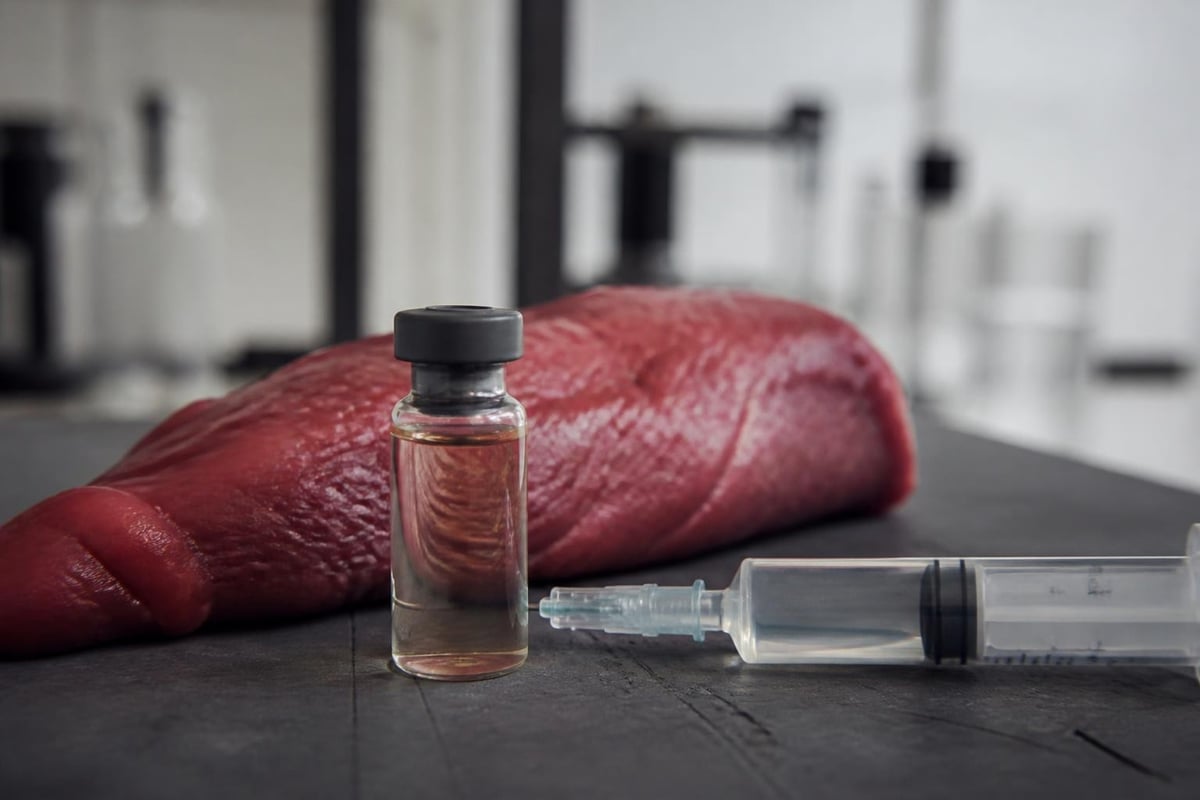
Week-by-Week Timeline for Nandrolone Results
The transformation timeline varies based on dosage, individual metabolism, training intensity, and nutritional support. Clinical protocols typically use 50-200mg weekly for medical conditions, while performance contexts often involve higher doses.
Weeks 1-3: Initial Adaptation Phase
During the first three weeks, physiological changes begin at the cellular level before becoming visually apparent. Users typically report improved recovery between training sessions and reduced joint discomfort. Strength gains during this period remain modest, with most experiencing 5-10% increases in working weights.
Water retention becomes noticeable, particularly in the shoulders, chest, and facial tissues. This fluid accumulation contributes to the initial weight gain, which typically ranges from 4-8 pounds during the first month.
Weeks 4-8: Visible Transformation Period
| Metric | Week 4 | Week 8 | Change |
|---|---|---|---|
| Lean Mass Gain | 3-6 lbs | 8-14 lbs | +5-8 lbs |
| Strength Increase | 8-12% | 15-25% | +7-13% |
| Joint Comfort | Moderate | Significant | Notable |
| Fullness/Pump | Enhanced | Pronounced | Maximum |
The nandrolone before and after differences become clearly visible during this phase. Muscle bellies appear fuller and rounder, particularly in the deltoids, quadriceps, and upper back. A systematic review of clinical trials documented significant improvements in lean body mass and muscle strength in patients using nandrolone decanoate for muscle-wasting conditions.
Weeks 9-16: Peak Results Phase
Beyond the second month, transformations continue but at a decelerating rate. Total weight gain during a 16-week cycle typically ranges from 12-25 pounds, with approximately 60-70% attributed to lean tissue when combined with proper training and nutrition.
Strength plateaus begin appearing around week 12-14 for most users, though progressive overload adjustments can extend gains further. Joint lubrication effects remain pronounced throughout this period, often persisting several weeks post-cycle.
Body Composition Changes: What to Expect
Nandrolone’s reputation centers on its ability to promote lean tissue accrual with relatively modest fat gain compared to other anabolic compounds. The quality of weight gained distinguishes nandrolone before and after results from other substances.
Muscle Tissue Accretion
Clinical observations and user reports indicate nandrolone produces dense, quality muscle tissue rather than the watery appearance associated with some other compounds. The muscle fullness results from:
- Increased intramuscular glycogen storage
- Enhanced cellular hydration within muscle fibers
- Actual myofibrillar protein synthesis
- Satellite cell activation and incorporation
The ratio of contractile proteins to sarcoplasmic expansion favors functional strength gains alongside size increases.
Fat Distribution and Retention
Nandrolone demonstrates minimal impact on subcutaneous fat distribution in most users. Some individuals report slight fat retention, particularly when caloric intake exceeds maintenance by more than 500 calories daily. The compound’s mild aromatization to estrogen contributes to this effect in dose-dependent fashion.
Body composition outcomes vary significantly based on:
- Dietary adherence and macronutrient ratios
- Training volume and progressive overload
- Individual metabolic rate and hormonal profile
- Concurrent compounds and ancillary medications
- Genetic predisposition to anabolic response

Strength and Performance Metrics
Performance enhancement represents a primary motivation for nandrolone use outside medical contexts. The compound’s impact on strength follows a predictable trajectory that differs from faster-acting substances.
Progressive Strength Gains
Unlike oral compounds that produce rapid but often temporary strength spikes, nandrolone builds strength steadily. Users typically report the following progression on major compound lifts:
| Lift | Weeks 1-4 | Weeks 5-8 | Weeks 9-12 | Weeks 13-16 |
|---|---|---|---|---|
| Squat | +10-20 lbs | +20-40 lbs | +30-50 lbs | +35-60 lbs |
| Bench Press | +8-15 lbs | +15-30 lbs | +20-40 lbs | +25-50 lbs |
| Deadlift | +15-25 lbs | +25-45 lbs | +35-60 lbs | +40-70 lbs |
| Overhead Press | +5-12 lbs | +10-20 lbs | +15-30 lbs | +18-35 lbs |
These ranges assume consistent training, proper nutrition, and absence of injury. Individual results vary based on training experience and genetic factors.
Joint Health and Recovery
One of the most consistently reported nandrolone before and after benefits involves joint comfort and connective tissue health. The compound stimulates collagen synthesis, leading to improved joint lubrication and reduced inflammation in stressed tissues.
Athletes recovering from joint injuries or managing chronic tendon issues often report substantial relief. This effect makes nandrolone particularly valuable during heavy training phases that stress connective tissues.
Side Effects and Health Considerations
Understanding potential adverse effects remains crucial when evaluating nandrolone before and after outcomes. While considered milder than some alternatives, nandrolone produces several dose-dependent side effects.
Cardiovascular Impact
Nandrolone negatively affects lipid profiles, typically reducing HDL (good) cholesterol by 15-30% and potentially increasing LDL (bad) cholesterol by 10-20%. These changes correlate with increased cardiovascular risk during and potentially after use.
Blood pressure elevation occurs in some users, particularly those predisposed to hypertension or using higher doses. Regular monitoring becomes essential for anyone with existing cardiovascular concerns.
Hormonal Disruption
Nandrolone suppresses natural testosterone production through negative feedback on the hypothalamic-pituitary-gonadal axis. Suppression occurs rapidly, often reaching 70-100% within 2-3 weeks of consistent use.
This suppression necessitates post-cycle therapy (PCT) protocols to restore endogenous production. Some users report prolonged recovery periods, with natural testosterone levels taking 4-12 months to fully normalize without intervention.
Psychological Effects
Some individuals experience mood alterations, including increased irritability or depressive symptoms. The 19-nor structure may influence neurotransmitter systems differently than testosterone-based compounds.
Libido changes represent another commonly reported effect. While some users maintain or enhance sexual function, others experience reduced libido-a phenomenon sometimes attributed to nandrolone’s progestogenic activity and prolactin elevation.
Legal and Detection Concerns
In the United States, nandrolone remains classified as a Schedule III controlled substance under the Anabolic Steroid Control Act. Possession without a valid prescription constitutes a federal offense carrying potential criminal penalties.
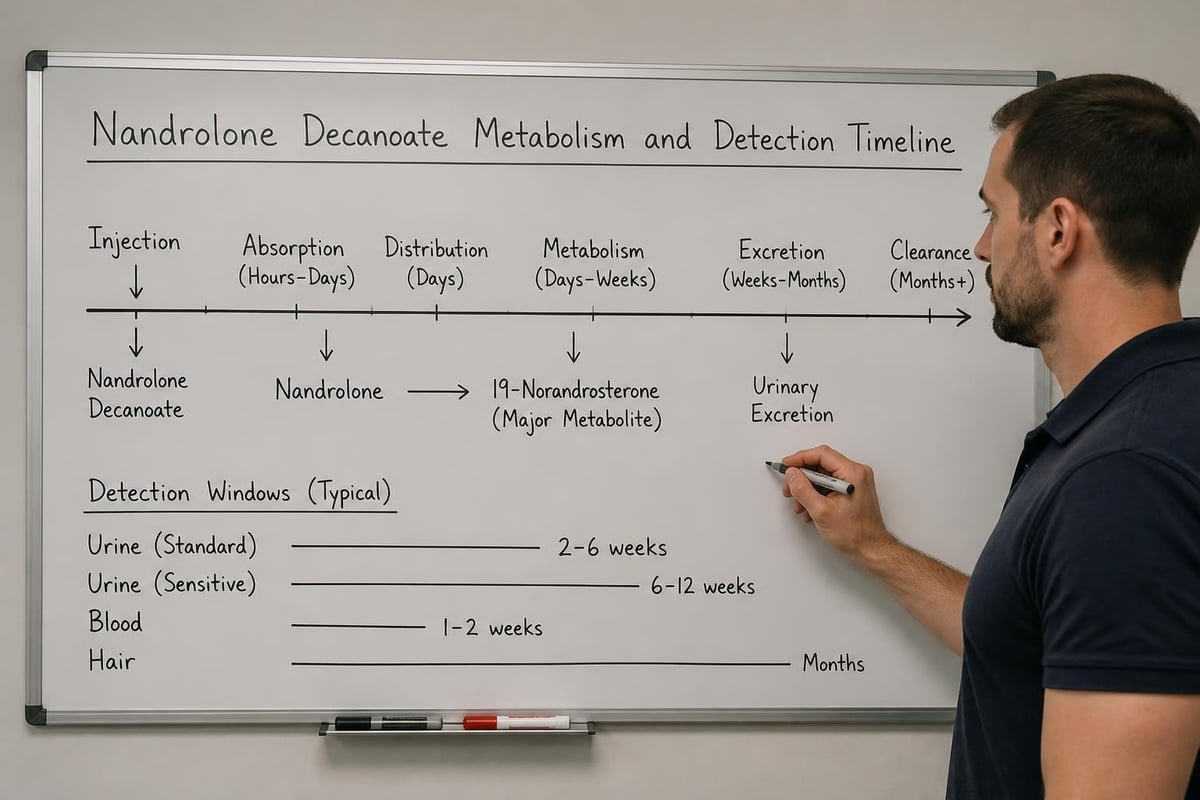
Detection in drug testing presents another consideration. Nandrolone metabolites, particularly 19-norandrosterone, remain detectable in urine for extended periods. The World Anti-Doping Agency documents detection windows extending 12-18 months after final administration in some cases.
Optimizing Nandrolone Results
Maximizing positive outcomes while minimizing adverse effects requires attention to several critical factors beyond simply administering the compound.
Training Protocols
Nandrolone’s effects synergize best with specific training approaches:
- Higher volume training: 15-25 sets per muscle group weekly
- Moderate to high rep ranges: 8-15 repetitions per set
- Frequent training: Each muscle group 2-3 times weekly
- Progressive overload: Consistent increases in weight or volume
- Emphasis on compound movements: Squats, deadlifts, presses, rows
The enhanced recovery capacity allows increased training frequency and volume compared to natural training states.
Nutritional Requirements
Nandrolone before and after results depend heavily on adequate nutritional support. The compound creates an environment conducive to muscle growth, but raw materials must be available.
Protein intake should reach 1.2-1.6 grams per pound of body weight daily to support enhanced protein synthesis. Carbohydrate consumption fuels the increased training volume and supports glycogen supercompensation. Healthy fats maintain hormonal function and cellular health, ideally comprising 25-30% of total calories.
Total caloric intake typically requires 300-500 calories above maintenance to maximize lean tissue accrual while minimizing unnecessary fat gain.
Dosage Considerations
Medical protocols referenced in official prescribing information utilize 50-200mg weekly for approved indications. Performance contexts often involve higher doses, though increased dosages correlate with greater side effect risk.
Response curves suggest diminishing returns above certain thresholds. Many experienced users find optimal results occur at moderate doses maintained consistently rather than excessive amounts that amplify side effects without proportional benefits.
For those exploring testosterone-based alternatives or combination protocols, products like Testosterone Cypionate 200mg represent options that some users stack with nandrolone, though such combinations increase complexity and health risks.
Individual Variability in Response
Perhaps the most important consideration when evaluating nandrolone before and after expectations involves recognizing individual variability. Genetics, training history, age, and numerous other factors influence outcomes significantly.
Responder Status
Research indicates substantial inter-individual variation in anabolic steroid response. Some individuals demonstrate dramatic transformations at conservative doses, while others require higher amounts to achieve similar results. This variability stems from differences in:
- Androgen receptor density and sensitivity
- Metabolic enzyme activity (aromatase, 5-alpha reductase)
- Myostatin expression and satellite cell population
- Hormonal baseline and regulatory mechanisms
- Genetic polymorphisms affecting drug metabolism
Age-Related Factors
Younger individuals (20s-early 30s) typically demonstrate more pronounced responses than older users. This difference correlates with higher baseline testosterone levels, greater training adaptability, and more robust recovery capacity.
Users over 40 may experience beneficial effects on muscle preservation and joint health but often report slower visual transformations and increased side effect susceptibility.
Training Experience Impact
Novice trainees often achieve impressive nandrolone before and after results because their bodies respond dramatically to both chemical enhancement and improved training consistency. However, this approach represents suboptimal sequencing.
Advanced athletes with years of natural training experience typically maximize nandrolone’s benefits more efficiently, building upon established neuromuscular patterns and nutritional discipline. These individuals better distinguish compound effects from training and dietary variables.
Post-Cycle Retention and Long-Term Outlook
Understanding what remains after discontinuation provides crucial context for realistic expectations. Nandrolone’s long-acting ester means effects persist several weeks after final injection, gradually diminishing as blood levels decline.
Muscle Mass Retention
Studies and anecdotal reports suggest users retain 60-75% of gained lean tissue when implementing proper post-cycle protocols. Factors influencing retention include:
- PCT effectiveness and natural testosterone recovery
- Training consistency during the recovery phase
- Nutritional adherence and caloric management
- Time on versus time off ratios
- Individual metabolic resilience
Water weight accumulated during the cycle dissipates within 2-4 weeks of cessation, often creating the appearance of dramatic loss. This represents fluid redistribution rather than muscle tissue loss.
Strength Maintenance
Strength retention typically parallels muscle retention, with most users maintaining 65-80% of peak gains long-term. Absolute strength may decline temporarily during PCT as hormonal levels stabilize, then partially recover as natural testosterone production normalizes.
Joint comfort improvements often persist longer than muscle mass gains, with many users reporting sustained connective tissue benefits for months after discontinuation.
The documented evidence and real-world experiences surrounding nandrolone before and after transformations reveal a compound capable of significant physique enhancement when used responsibly within appropriate contexts. Understanding realistic timelines, individual variability, and health considerations enables informed decision-making. Whether researching options for medically supervised protocols or exploring performance enhancement possibilities, 24-7.is provides access to quality products alongside the information needed to make educated choices about your fitness journey.