Testosterone Hemoglobin: What You Need to Know
Testosterone replacement therapy (TRT) has become increasingly common among men seeking to address symptoms of low testosterone. While the benefits of TRT are well-documented, users must understand one of the most significant physiological changes that occurs: the relationship between testosterone hemoglobin levels in the body. Testosterone administration consistently elevates hemoglobin and hematocrit values, a process known as erythrocytosis. This effect occurs through multiple biological mechanisms and requires careful monitoring to ensure patient safety. Understanding how testosterone influences red blood cell production, the associated risks, and proper management strategies is essential for anyone considering or currently using testosterone therapy.
The Biological Connection Between Testosterone and Hemoglobin
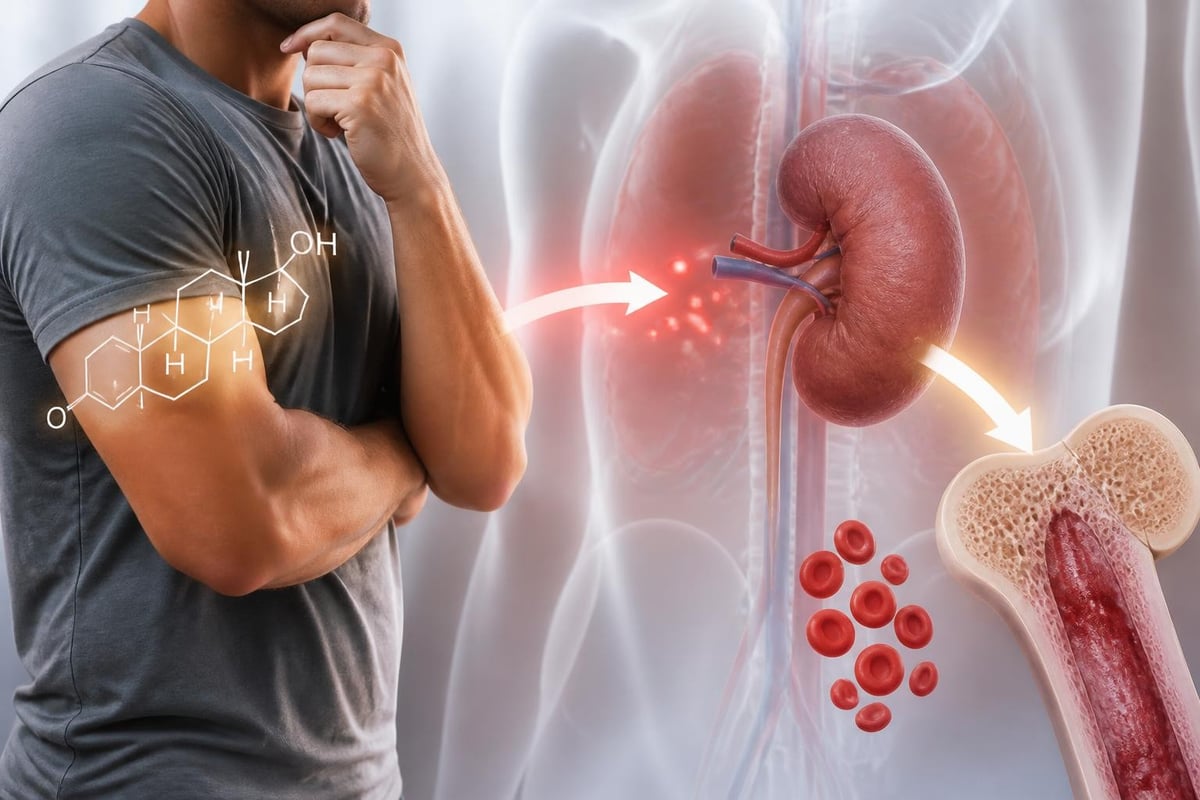
Testosterone exerts a powerful influence on erythropoiesis, the process by which the body produces red blood cells. The relationship between testosterone hemoglobin production involves multiple pathways that work synergistically to increase red blood cell mass.
The primary mechanism involves testosterone stimulating the kidneys to produce erythropoietin (EPO), a hormone that signals bone marrow to increase red blood cell production. Studies have shown that testosterone can increase EPO levels by up to 20-30% in some individuals, particularly during the first few months of therapy.
How Testosterone Affects Iron Metabolism
Beyond EPO stimulation, testosterone hemoglobin interactions involve complex changes in iron handling. Testosterone suppresses hepcidin, a hormone that regulates iron absorption and distribution. When hepcidin levels decrease, the body absorbs more dietary iron and releases stored iron from macrophages and hepatocytes.
This increased iron availability provides the raw material necessary for hemoglobin synthesis. Each hemoglobin molecule requires iron to carry oxygen effectively, so testosterone’s effect on iron metabolism directly supports the increased red blood cell production it initiates.
Key metabolic changes include:
- Decreased hepcidin expression in liver cells
- Enhanced iron absorption from the gastrointestinal tract
- Increased iron release from storage sites
- Greater iron availability for hemoglobin synthesis
- Improved iron incorporation into developing red blood cells
The Frontiers review on gender-affirming hormone therapy documents these expected increases in hemoglobin and hematocrit values, noting that monitoring becomes critical within the first six months of therapy.
Clinical Monitoring of Testosterone Hemoglobin Levels
Proper monitoring protocols are essential for anyone using testosterone therapy. The Endocrine Society statement on testosterone replacement therapy provides clear guidance on testing schedules and target ranges.
Baseline and Follow-Up Testing
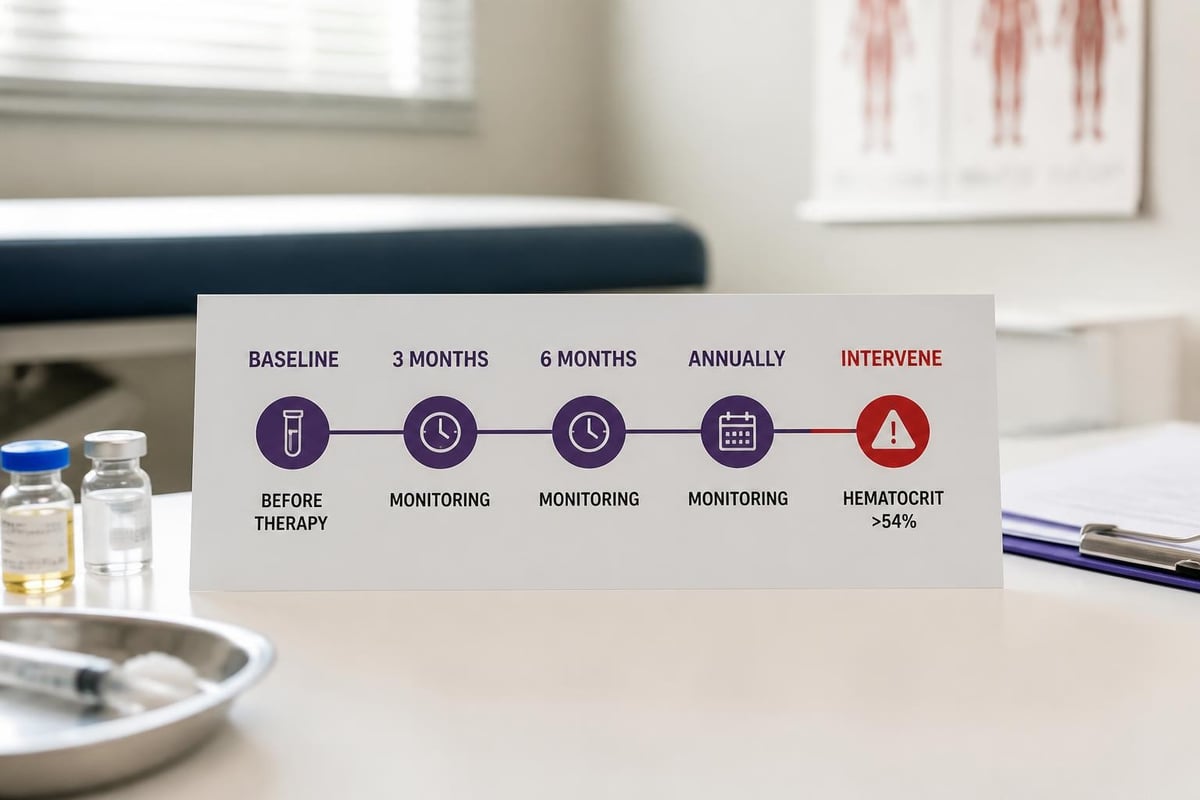
Before initiating testosterone therapy, comprehensive baseline bloodwork should include complete blood count (CBC) with specific attention to hemoglobin and hematocrit values. This establishes a reference point for monitoring changes.
| Testing Timeframe | Parameters to Monitor | Normal Male Ranges |
|---|---|---|
| Baseline (pre-therapy) | Hemoglobin, Hematocrit, RBC count | Hemoglobin: 13.5-17.5 g/dL, Hematocrit: 38-50% |
| 3-6 months | Complete CBC panel | Monitor for increases above baseline |
| 6-12 months | CBC with differential | Assess trend and stability |
| Annually thereafter | Comprehensive CBC | Ensure values remain within safe limits |
During the initial months of testosterone therapy, hemoglobin typically increases by 1-2 g/dL, while hematocrit may rise by 3-5 percentage points. These changes generally stabilize after six to twelve months, though individual responses vary considerably.
Warning Signs and Intervention Thresholds
The relationship between testosterone hemoglobin elevation becomes clinically significant when values exceed certain thresholds. Most medical guidelines recommend intervention when hematocrit exceeds 54%, as this level significantly increases blood viscosity and cardiovascular risk.
Symptoms of elevated hemoglobin/hematocrit may include:
- Persistent headaches or migraines
- Dizziness or lightheadedness
- Visual disturbances or blurred vision
- Facial flushing or redness
- Fatigue despite adequate sleep
- Shortness of breath during normal activities
The FDA-approved prescribing information contains official safety language on polycythemia and hematocrit monitoring, emphasizing the importance of regular surveillance.
Understanding Testosterone-Induced Erythrocytosis
Erythrocytosis represents the most common adverse effect of testosterone therapy, affecting approximately 20-25% of users. This condition occurs when the stimulatory effects of testosterone hemoglobin production exceed the body’s regulatory mechanisms.
Risk Factors for Developing Erythrocytosis
Not all testosterone users experience the same degree of hemoglobin elevation. Several factors influence individual susceptibility to testosterone-induced erythrocytosis.
High-risk populations include:
- Individuals using higher testosterone doses (above physiological replacement)
- Men over age 60 with pre-existing cardiovascular conditions
- People living at higher altitudes where baseline hematocrit is elevated
- Individuals with sleep apnea or chronic lung disease
- Those with genetic predispositions to polycythemia
- Users of long-acting testosterone esters that maintain steady elevated levels
Long-acting formulations such as Testosterone Cypionate 200mg provide sustained testosterone levels that may produce more pronounced effects on red blood cell production compared to shorter-acting preparations. The consistent stimulation of erythropoiesis with these formulations requires particularly careful monitoring during the first year of use.
Cardiovascular Implications
The cardiovascular concerns associated with elevated testosterone hemoglobin levels stem primarily from increased blood viscosity. As hematocrit rises above 50%, blood becomes progressively thicker, requiring the heart to work harder to pump blood through the circulatory system.
This increased viscosity elevates the risk of several serious conditions:
- Thrombotic events including deep vein thrombosis
- Stroke risk due to sluggish cerebral blood flow
- Myocardial infarction from coronary artery complications
- Pulmonary embolism from venous clots
- Hypertension from increased vascular resistance
The open-access review on testosterone therapy-induced erythrocytosis provides comprehensive discussion of these pathophysiological mechanisms and clinical implications.
Management Strategies for Elevated Hemoglobin
When testosterone hemoglobin levels rise beyond acceptable limits, several evidence-based management approaches can help restore safe values while maintaining the benefits of testosterone therapy.
Dose Adjustment Approaches
The first-line management strategy involves modifying testosterone dosing to reduce the erythropoietic stimulus while preserving therapeutic benefits.
| Intervention Strategy | Expected Outcome | Implementation Timeline |
|---|---|---|
| Reduce dose by 20-25% | Hematocrit decrease of 2-4% | Reassess in 8-12 weeks |
| Switch to shorter-acting ester | More variable levels, less sustained EPO stimulation | Effects visible in 6-8 weeks |
| Implement cyclical dosing | Periodic breaks allow RBC normalization | Custom schedule based on response |
Many individuals find that a modest dose reduction of 20-30% can bring testosterone hemoglobin parameters back into acceptable range while maintaining sufficient testosterone levels for symptom relief.
Therapeutic Phlebotomy
When dose adjustment proves insufficient or impractical, therapeutic phlebotomy (blood donation) offers an effective mechanical approach to reducing red blood cell mass. This procedure removes whole blood, typically 450-500 mL per session, directly decreasing hemoglobin and hematocrit levels.
Phlebotomy protocols typically involve:
- Initial assessment of hemoglobin and hematocrit levels
- Removal of one unit of blood (approximately 500 mL)
- Post-procedure monitoring for 2-4 weeks
- Repeat sessions every 4-8 weeks as needed
- Iron supplementation generally avoided to limit erythropoiesis
- Regular reassessment of testosterone dose
Most individuals experience an immediate 3-4% reduction in hematocrit following a single phlebotomy session. The procedure is generally well-tolerated, though some people report temporary fatigue or lightheadedness for 24-48 hours afterward.

Alternative Approaches and Adjunct Therapies
Beyond conventional dose modification and phlebotomy, several alternative strategies may help manage the testosterone hemoglobin relationship more effectively.
Hydration Optimization
Adequate hydration plays a surprisingly significant role in hematocrit values. Because hematocrit represents the percentage of blood volume occupied by red blood cells, plasma volume directly affects the measurement. Chronic dehydration artificially elevates hematocrit readings.
Maintaining optimal hydration status through consistent water intake (typically 3-4 liters daily for most men) can lower hematocrit values by 1-2 percentage points without changing actual red blood cell mass. This simple intervention sometimes provides enough reduction to avoid more aggressive management.
Aspirin and Antiplatelet Therapy
Some physicians recommend low-dose aspirin (81 mg daily) for individuals with persistently elevated testosterone hemoglobin levels, particularly those with additional cardiovascular risk factors. Aspirin reduces platelet aggregation, potentially mitigating thrombotic risk associated with increased blood viscosity.
However, aspirin therapy introduces its own risks, including gastrointestinal bleeding and hemorrhagic complications. This approach should only be undertaken under physician supervision with careful consideration of individual risk-benefit profiles.
Monitoring During Dosage Changes
When implementing any management strategy, continuous monitoring ensures effectiveness and safety. The testosterone hemoglobin response to interventions varies considerably among individuals.
Recommended monitoring schedule during active management:
- Baseline measurement before intervention
- Follow-up testing 4 weeks after dose change
- Reassessment at 8-12 weeks to confirm stability
- Return to routine monitoring if values normalize
- More frequent testing if values remain elevated
This intensive monitoring period helps identify the minimum effective intervention while avoiding overcorrection that might compromise testosterone therapy benefits.
Special Considerations for Different Populations
The testosterone hemoglobin relationship manifests differently across various user populations, requiring tailored approaches to monitoring and management.
Older Adults
Men over 60 years old experience more pronounced erythrocytosis from testosterone therapy. Age-related decreases in plasma volume, combined with potentially reduced kidney function, amplify the hematocrit response. Additionally, older adults face higher baseline cardiovascular risk, making elevated hemoglobin levels particularly concerning.
Conservative dosing strategies and more frequent monitoring (quarterly rather than biannually) help mitigate risks in this population. Many practitioners target lower therapeutic testosterone levels in older patients specifically to minimize erythrocytosis risk.
Athletes and Performance Users
Individuals using testosterone for athletic performance enhancement often employ supraphysiological doses that dramatically amplify the testosterone hemoglobin effect. Doses of 400-600 mg weekly or higher produce substantially greater erythrocytosis than standard replacement therapy.
This population faces compounded risks from both elevated hematocrit and the cardiovascular stress of intense training. Regular phlebotomy becomes nearly mandatory at these dose ranges, often required every 4-6 weeks to maintain hematocrit below dangerous levels.
Individuals with Pre-Existing Conditions
Certain medical conditions interact problematically with testosterone-induced hemoglobin elevation. People with chronic obstructive pulmonary disease (COPD), congestive heart failure, or sleep apnea already experience elevated hematocrit as a compensatory mechanism for reduced oxygen delivery.
| Pre-Existing Condition | Baseline Hematocrit Impact | Testosterone Therapy Considerations |
|---|---|---|
| Sleep apnea | May be 2-5% elevated | Treat apnea before TRT; monitor closely |
| COPD | Often 3-6% above normal | Lower target testosterone levels |
| Congestive heart failure | Variable, fluid-dependent | May be contraindicated |
| Chronic kidney disease | Can be low or high | Requires nephrology consultation |
These populations require specialist oversight when considering testosterone therapy, with careful evaluation of whether the benefits justify the additional hematological risks.
Long-Term Implications and Sustained Management
The testosterone hemoglobin relationship persists throughout the duration of therapy, requiring ongoing attention rather than temporary intervention. Understanding the long-term trajectory helps users maintain both therapeutic benefits and safety.
Adaptation and Stabilization
Most individuals experience their peak hemoglobin response within the first six to twelve months of testosterone therapy. After this initial period, values typically stabilize at a new elevated baseline, assuming consistent dosing.
This stabilization reflects physiological adaptation, though the mechanisms remain incompletely understood. Some researchers theorize that increased red blood cell mass eventually signals feedback inhibition of EPO production, creating a new equilibrium point.
Typical long-term patterns include:
- Initial rapid rise in first 3-6 months (1-2 g/dL hemoglobin increase)
- Gradual continued elevation through month 12
- Stabilization at new baseline by 12-18 months
- Minimal further changes with consistent dosing
- Immediate response to any dose modifications
Cumulative Risk Assessment
The cardiovascular risks associated with elevated testosterone hemoglobin levels accumulate over time. Even modestly elevated hematocrit (50-52%) maintained for years may increase thrombotic risk compared to transient elevations.
This cumulative risk profile emphasizes the importance of maintaining hematocrit within recommended ranges throughout the entire duration of testosterone therapy. Short-term management that allows values to drift upward again does not provide the same protection as sustained control.
Quality of Life Considerations
While managing testosterone hemoglobin levels focuses primarily on reducing medical risks, the interventions themselves impact quality of life. Therapeutic phlebotomy causes temporary fatigue and inconvenience. Dose reductions may diminish the symptomatic benefits that motivated testosterone therapy initiation.
Balancing these competing concerns requires individualized decision-making. Some users prioritize maintaining higher testosterone levels despite requiring regular phlebotomy, while others prefer lower doses that minimize erythrocytosis even if symptom relief is less dramatic.
Understanding the complex relationship between testosterone hemoglobin levels enables informed decision-making about therapy protocols, monitoring schedules, and management interventions. Regular testing and proactive management of erythrocytosis ensure that testosterone therapy remains both effective and safe over the long term. Whether you’re considering starting testosterone therapy or optimizing your current protocol, 24-7.is provides access to pharmaceutical-grade products and resources to support your health and performance goals. Visit our site to explore our complete range of testosterone formulations and related compounds.