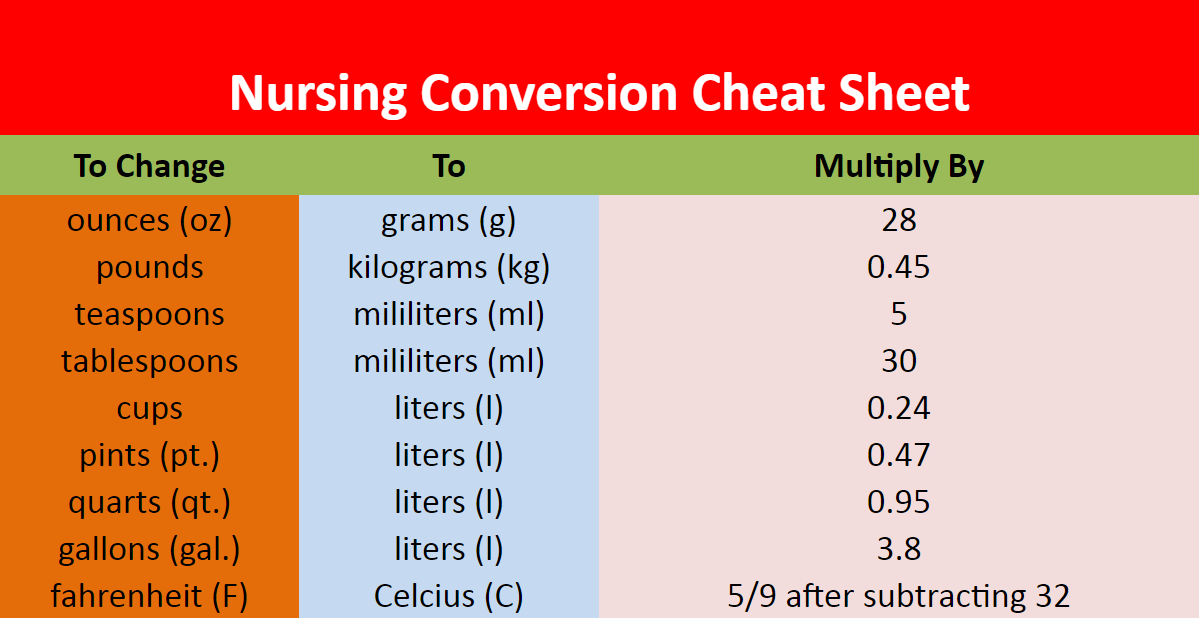
Milligrams to CC: A Simple Guide for Dosage Conversion
TABLE OF CONTENTS

In the world of science, medicine, and everyday life, converting measurements is a common necessity. One of the conversions that often comes into play is from milligram (mg) to cubic centimeter (cc), especially in the fields of pharmacology and medicine. Although this conversion is not directly possible due to the difference in the nature of these units, understanding the concept is crucial for safety and accuracy.
What is Milligram to CC Conversion?
Milligram is a unit of mass in the metric system, while cubic centimeter is a unit of volume. Since these two units measure different properties, a milligram to cc conversion depends on the substance’s density. Density is defined as the mass per unit volume. Thus, converting milligram to cc requires knowing the substance’s density to translate mass into volume.
For example, the conversion for pure water at room temperature is straightforward, as 1 cc is equivalent to 1 gram. If you must convert milligrams to cc for a substance like cream or powder, you will need specific density information.
Practical Applications of Milligram to CC Conversion
In practical scenarios, particularly in pharmaceuticals, knowing how to convert milligram to cc correctly is vital. Pharmacists must ensure precise dosages for medications, and errors can have serious health implications. For instance, in medication formulation, a drug’s active ingredient may be prescribed in milligrams, but the final product might be measured in cc.
To convert between these units, one can use the formula:
[ \text{Volume (cc)} = \frac{\text{Mass (mg)}}{\text{Density (mg/cc)}} ]
Importance in Different Fields
-
- Medicine and Healthcare: Understanding the relationship between weight and volume of medications ensures patient safety and efficacy. Injections, for example, often require precise conversions to administer the correct drug concentration.
-
- Pharmaceuticals Production: When manufacturing drugs, calculating ingredient volumes from their weights is necessary for consistency and quality control.
-
- Cooking and Nutrition: In the culinary world, converting milligrams of an ingredient like spices to volume in cc could be necessary for non-standardized recipes.
Conclusion
While milligram to cc conversion is not directly possible without additional information, it remains an essential concept in various fields. By understanding density and applying the correct calculations, one can ensure accuracy and safety in medication dosage, manufacturing, and other practical applications. It’s important to remember that the conversion depends on the specific substance’s characteristics.
FAQs
What is the simplest way to convert milligrams to cc?
To convert milligrams to cc, you’ll need the substance’s density in mg/cc. Use the formula: Volume (cc) = Mass (mg) / Density (mg/cc).
Can milligram to cc conversion be applied to any substance?
Yes, but you must determine the substance’s specific density first. Without this data, accurate conversion isn’t possible.
Is milligram to cc conversion relevant in daily life?
Yes, especially in cooking, healthcare, and even DIY projects where precise measurements are crucial.
For further reading on medication dosages and health implications, check out WebMD’s guide on medication safety. For more scientific understanding of measurement conversions, The National Institute of Standards and Technology provides extensive resources.
BIG SALE | FAST SHIPPING
HOT PROMOTIONS!





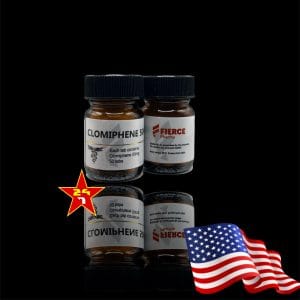
ZPHC Clomid Clomiphene 25mg/tablet | 100 Tablets Total: 2500mg
Original price was: $ 159.00.$ 65.00Current price is: $ 65.00.

In the context of measurements, converting milligrams (mg) to cubic centimeters (cc) involves understanding the relationship between mass and volume, which depends on the density of the substance in question. A milligram is a unit of mass equal to one-thousandth of a gram, while a cubic centimeter, also known as a milliliter (mL), is a unit of volume. To convert milligrams to cubic centimeters, one must know the density of the material, typically expressed in grams per cubic centimeter (g/cc). For example, the density of water is approximately 1 g/cc, meaning that 1 milligram of water would equate to 0.001 cubic centimeters. However, different substances have varying densities, so their mg to cc conversions will differ. It is crucial to factor in the specific density of the substance to achieve an accurate conversion, emphasizing the importance of understanding material properties in various scientific and practical applications.