Rear Delt Fly: Boost Your Shoulder Strength and Stability
TABLE OF CONTENTS

In the quest for the perfect upper body workout, often the rear deltoids are overlooked. The rear delt fly using dumbbells is an effective exercise that targets this critical yet often neglected muscle group. By incorporating the rear delt fly with dumbbells into your regular routine, you can achieve better shoulder symmetry, improve posture, and prevent injuries.
Anatomy of the Rear Delt Fly Dumbbell Exercise
The rear deltoid muscle is located on the posterior side of the shoulder. It is part of the deltoid muscle group, which comprises anterior (front), medial (side), and posterior (rear) fibers. The rear delts play a vital role in shoulder extension and rotation movements. The rear delt fly dumbbell exercise isolates these muscles, ensuring they are engaged effectively.
Benefits of the Rear Delt Fly Dumbbell
Engaging in the rear delt fly using dumbbells comes with numerous benefits. First, it enhances shoulder strength and stability, which is crucial for athletes and fitness enthusiasts alike. By strengthening the rear delts, you create a more balanced physique, which is aesthetically appealing and functionally superior.
Additionally, this exercise can alleviate shoulder pain and improve posture. Given that most people spend a significant portion of their day sitting or leaning forward, the rear delts can become weak and underdeveloped. The rear delt fly dumbbell exercise counteracts this by strengthening and activating the rear shoulder muscles, leading to a more upright posture and reduction in pain linked to shoulder and upper back tension.
How to Perform the Rear Delt Fly Dumbbell Exercise
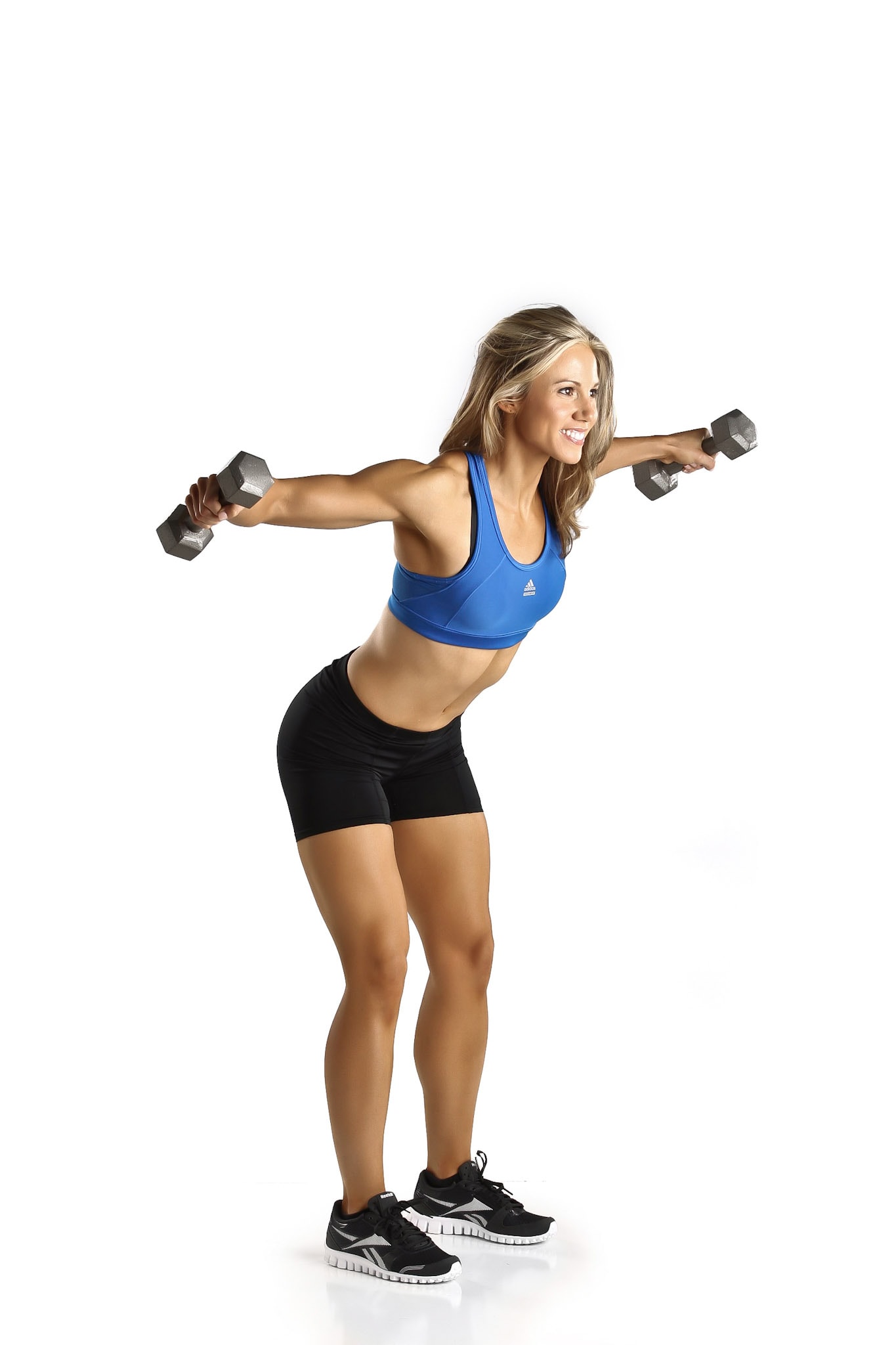
To execute the rear delt fly with dumbbells properly, follow these steps:
-
- Starting Position: Begin by holding a dumbbell in each hand with your feet shoulder-width apart. You can perform this exercise standing or with a slight bend at the knees.
-
- Bend Forward: Lean forward slightly from the hips while keeping your back straight. Let your arms hang down directly below your shoulders, with palms facing each other.
-
- Lift Weights: While keeping a slight bend in your elbows, raise your arms to the side until they are at shoulder height. Focus on squeezing your shoulder blades together at the top of the movement.
-
- Lower Back: Slowly lower the weights back to the starting position, maintaining control throughout the motion.
-
- Repeat: Aim for 3-4 sets of 10-12 repetitions. Ensure to use a weight that allows you to maintain proper form throughout the set.
Conclusion
Incorporating the rear delt fly dumbbell exercise into your routine can bring transformative results to your upper body workouts. Prioritizing your rear delts improves not only muscle definition but also functional strength, posture, and injury prevention. By performing this exercise regularly, you can enjoy a balanced and pain-free shoulder region.
FAQs About Rear Delt Fly Dumbbell
What muscles does the rear delt fly dumbbell work?
The rear delt fly dumbbell primarily targets the posterior deltoids but also engages the upper back muscles like the rhomboids and traps.
How often can I do the rear delt fly dumbbell exercise?
It’s recommended to include the rear delt fly dumbbell in your shoulder workouts 2-3 times a week, allowing for muscle recovery in between sessions.
Is the rear delt fly dumbbell good for beginners?
Yes, it is suitable for all fitness levels. Beginners should start with lighter weights and focus on mastering the form before increasing resistance.
For more insights on shoulder workouts, explore resources from Bodybuilding.com and American Council on Exercise.
BIG SALE | FAST SHIPPING
HOT PROMOTIONS!


ZPHC UltraMix 1ml amps x 10 amps - 1ml = 250mg
Original price was: $ 259.00.$ 179.00Current price is: $ 179.00.
CLOMID 50MG FIERCE 50 TABLETS

Original price was: $ 129.00.$ 119.00Current price is: $ 119.00.



FIERCE CLOMID 50MG 50CAPS

Original price was: $ 129.00.$ 119.00Current price is: $ 119.00.

ZPHC UltraMix 10ml MultiUse Vial 1ml = 250mg

Original price was: $ 255.00.$ 179.00Current price is: $ 179.00.
The rear delt fly with dumbbells is an effective strength training exercise primarily targeting the posterior deltoids, which are the rear portion of the shoulder muscles. This exercise is highly beneficial for improving shoulder stability, enhancing posture, and developing upper back strength. To perform the rear delt fly with dumbbells, begin by selecting a pair of moderate-weight dumbbells and stand with your feet hip-width apart. Bend slightly at the knees and hinge forward at the hips, keeping your back straight and allowing the dumbbells to hang below you. With a slight bend in the elbows, lift the weights outward and upward in a wide arc until your arms are parallel to the floor, squeezing the shoulder blades together at the top of the movement. Pause briefly and then slowly return to the starting position with controlled motion. This exercise not only helps in creating a balanced shoulder aesthetic but also plays a crucial role in enhancing overall shoulder joint function and preventing injuries by fortifying the often-neglected rear deltoid muscles.