
Rio 2016: A Spectacle of Sport and Culture Unveiled

The Olympia 2016 competition, held at the Orleans Arena in Las Vegas, was a monumental event in the history of bodybuilding. This annual showdown, which sets the gold standard for the sport, saw athletes from all over the world compete for the coveted Mr. Olympia title. With breathtaking displays of muscularity, symmetry, and stage presence, the competition remains a highlight in the bodybuilding calendar.
Highlights of Olympia 2016
In the fiercely contested Olympia 2016, some of the biggest names in the sport lit up the stage. Phil Heath, a name synonymous with excellence and dominance in bodybuilding, stood out yet again. His impeccable form and charisma helped him clinch the Mr. Olympia title for the sixth consecutive time, reaffirming his status as a true legend in the sport. Heath’s win in 2016 was not merely a display of physical prowess but also a testament to his unwavering dedication and consistency in maintaining peak performance year after year.
The Olympia 2016 did not just showcase returning champions; it also witnessed the rise of emerging talents. Athletes like Dexter Jackson, known as “The Blade,” continued to impress the crowd with his timeless physique. Meanwhile, newcomers gained momentum, making the competition even more thrilling and unpredictable.
Women’s Events at Olympia 2016
Olympia 2016 was not restricted to men alone; it included several categories for female competitors, highlighting the importance of inclusivity in bodybuilding. The Women’s Physique, Bikini, and Figure competitions featured equally intense battles. The stages were graced by the likes of Latorya Watts and Juliana Malacarne, who brought their best to the arena. These women exemplified strength, grace, and extreme discipline, captivating audiences worldwide and reinforcing the notion that bodybuilding is a sport for all genders.
Innovations in Olympia 2016
Olympia 2016 was also a platform for innovation, with new technologies and supplements displayed by various sponsors. The event created opportunities for athletes and enthusiasts to explore advancements in training equipment, nutritional aids, and performance-enhancing techniques. This intersection of sport and science was evident in the way competitors prepared for and executed their performances, showing how technology continues to push the boundaries of athletic potential.
Conclusion
The prestigious Olympia 2016 left an indelible mark on the sport of bodybuilding. It was an event characterized by its competitive spirit, athletic prowess, and the spectacle of human potential. Champions were celebrated, rising stars emerged, and both men’s and women’s bodybuilding were placed in the global spotlight. This annual gathering in Las Vegas transcended beyond a competition; it was a celebration of the bodybuilding community’s dedication, passion, and quest for excellence.
FAQs
What makes Olympia 2016 significant in bodybuilding history?
Olympia 2016 is significant for its display of unparalleled talent and competition. Notably, it saw Phil Heath securing his sixth consecutive win, which highlighted his dominance in the sport.
Were there any standout performances at Olympia 2016 from new athletes?
Absolutely, Olympia 2016 saw remarkable performances from newcomers who brought renewed energy and competitiveness, signaling the dynamic nature of bodybuilding.
How has Olympia 2016 influenced future bodybuilding competitions?
By setting high standards of performance and showcasing technological advancements, Olympia 2016 has continuously influenced future competitions, encouraging athletes to redefine their approaches to training and performance.
Did Olympia 2016 include events for female bodybuilders?
Yes, Olympia 2016 celebrated female athletes through categories like Women’s Physique, Bikini, and Figure, emphasizing the sport’s inclusivity.
For more information on the history of Mr. Olympia, you can visit Muscle & Fitness and for the latest updates on bodybuilding competitions, check out RXMuscle.
BIG SALE | FAST SHIPPING
HOT PROMOTIONS!
STADA MEGA CUTS BLEND 300 MG 10ML (TRENBOLONE)

Original price was: $ 129.00.$ 119.00Current price is: $ 119.00.




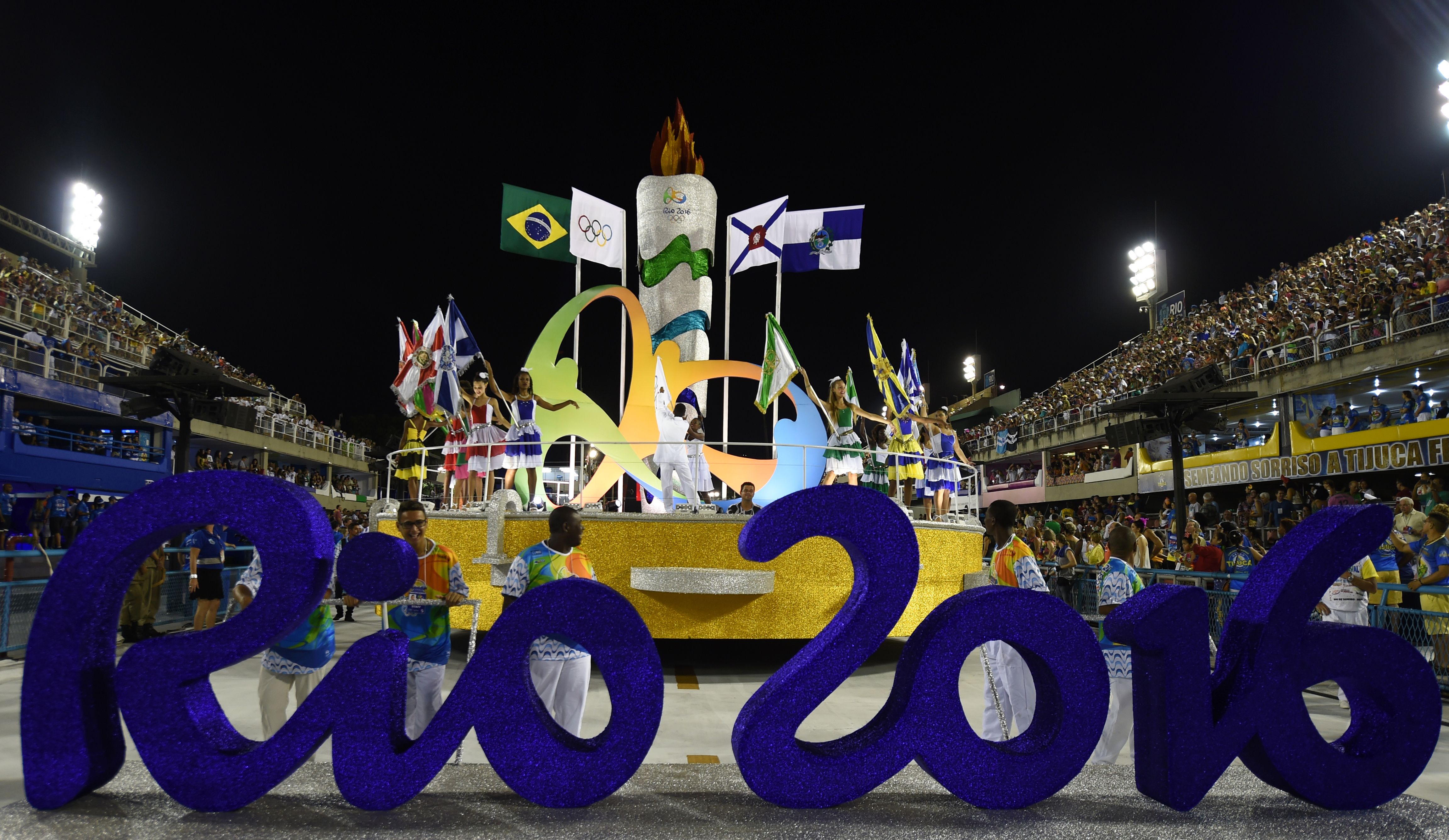
The 2016 Summer Olympics, officially known as the Games of the XXXI Olympiad, were held in Rio de Janeiro, Brazil, from August 5 to August 21, 2016. This marked the first time the Olympic Games were hosted in South America. The event featured over 11,000 athletes from 207 National Olympic Committees, competing in 28 sports and 306 events, including the introduction of rugby sevens and golf. Despite facing challenges such as political instability, economic recession, and concerns about the Zika virus, Brazil successfully delivered an unforgettable event that celebrated athletic prowess and global unity. Notable achievements included Usain Bolt securing his legacy as an Olympic legend with a third consecutive sweep of the 100m, 200m, and 4x100m relay events, and Michael Phelps extending his record as the most decorated Olympian of all time with 23 gold medals. The host city Rio de Janeiro also presented a vibrant cultural backdrop, with iconic locations like the Copacabana Beach and Maracanã Stadium adding to the Games’ dynamic atmosphere.