:max_bytes(150000):strip_icc()/2549387-article-causes-of-calf-pain-5a70fb720e23d90036a5fa54.png "Ripped Calf Muscles: Causes, Symptoms, and Recovery")
Ripped Calf Muscles: Causes, Symptoms, and Recovery
TABLE OF CONTENTS

In the world of fitness and athletics, injuries are unfortunately common, with muscle strains being among the most frequent. A ripped calf muscle, in particular, can be a painful and debilitating condition that affects anyone from professional athletes to casual exercisers. Understanding the nature of this injury can aid in prevention and effective management.
What is a Ripped Calf Muscle?
A ripped calf muscle refers to the tearing of muscle fibers in the calf area, typically involving two primary muscles: the gastrocnemius and the soleus. The degree of tearing can vary from mild strains to severe ruptures, depending on the extent of the injury.
Symptoms of a Ripped Calf Muscle
Recognizing the symptoms of a calf muscle injury is crucial for prompt treatment. Common signs include sudden sharp pain in the calf, swelling, visible bruising, and difficulty standing or walking. In severe cases, a “pop” sound may be heard when the muscle tears.
Causes of a Ripped Calf Muscle
Several factors can lead to a ripped calf muscle, including overstretching during physical activity, direct trauma to the leg, or engaging in high-impact sports without adequate warming up. Physiological factors such as muscle imbalances or tight Achilles tendons can also increase susceptibility to such injuries.
Treatment Options for Ripped Calf Muscle
Initial treatment for a muscle injury focuses on the R.I.C.E method: Rest, Ice, Compression, and Elevation. Rest helps in minimizing further strain, while ice can reduce swelling and pain. Compression and elevation act to decrease swelling and encourage blood flow for healing. In severe cases, physical therapy or even surgery might be required to repair the torn muscle.
Prevention Tips for Ripped Calf Muscle
Preventing muscle injuries primarily involves proper warm-ups before engaging in physical activity to improve flexibility and circulation. Strengthening exercises focused on the lower leg and regular stretching routines can also minimize the risk of a ripped calf muscle. Wearing the right footwear and avoiding abrupt changes in physical activity intensity further contribute to injury prevention.
Conclusion
A ripped calf muscle is a painful condition that can significantly impact daily activities and athletic performance. Prompt recognition of symptoms and appropriate treatment are vital for a swift recovery. Emphasizing preventive measures can greatly reduce the risk of sustaining such an injury, allowing individuals to maintain their athletic pursuits with minimal risk.
FAQs
How long does it take to recover from a ripped calf muscle?
Recovery time varies depending on the severity of the tear. Mild strains may heal within a few weeks, while severe ruptures could take several months and may require physical therapy.
Can I prevent a ripped calf muscle?
Yes, incorporating regular stretching, strengthening exercises, and proper warm-up routines can significantly reduce the risk. Additionally, using appropriate footwear and gradually increasing exercise intensity can help prevent injuries.
When should I see a doctor?
If you hear a pop at the time of injury or if the pain and swelling are severe and do not improve with basic treatment, seeking medical advice is recommended.
BIG SALE | FAST SHIPPING
HOT PROMOTIONS!
STADA MEGA CUTS BLEND 300 MG 10ML (TRENBOLONE)
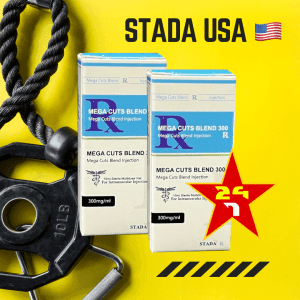
Original price was: $ 129.00.$ 119.00Current price is: $ 119.00.




Fierce nandrolone decanoate 300 / ml 10ml

Original price was: $ 131.00.$ 119.00Current price is: $ 119.00.
CYT 3 6MG | T3 | Yohimbe | Clen | Weight Loss Blend | 100 Tablets Total Kit 600mg
$ 69.00
FIERCE CLOMID 50MG 50CAPS

Original price was: $ 129.00.$ 119.00Current price is: $ 119.00.

A ripped calf muscle, also known as a gastrocnemius tear or strain, occurs when the muscle fibers in the calf are overstretched or torn. This injury is common among athletes and individuals who engage in activities involving sudden starts, stops, or changes in direction, such as running, jumping, or playing sports like basketball and tennis. Symptoms often include sudden sharp pain at the back of the lower leg, swelling, bruising, and difficulty in bearing weight on the affected leg. Treatment typically involves rest, ice, compression, and elevation (RICE protocol), along with pain management and physical therapy to restore strength and flexibility. In severe cases, medical intervention may be necessary to repair the torn muscle fibers. Recovery time can vary based on the extent of the injury but often requires weeks to months before a full return to normal activities can be achieved. Prevention strategies include thorough warm-ups, stretching, and strengthening exercises to enhance the resilience of the calf muscles.