
SHBG: How Sex Hormone Binding Globulin Influences Health

Sex Hormone Binding Globulin (SHBG) plays a crucial role in the regulation of sex hormones within the human body. It is a glycoprotein produced primarily in the liver and binds to sex hormones such as testosterone, dihydrotestosterone (DHT), and estrogen. The binding capability of SHBG helps control the amount of free, biologically active hormones in the bloodstream.
The Function of SHBG in the Body
SHBG is pivotal in maintaining hormonal balance. By binding to sex hormones, it determines the level of free hormones that can be used by the body’s tissues. Most sex hormones in the bloodstream are bound to SHBG or other proteins, such as albumin, leaving only a small percentage available to exert a biological effect.
The concentration of SHBG in the blood affects numerous physiological processes, including the development of secondary sexual characteristics, reproduction, and even mood regulation. A higher level of SHBG reduces the bioavailability of testosterone and other hormones, whereas a lower level increases it. Variations in SHBG levels can be influenced by factors such as age, sex, and certain medical conditions.
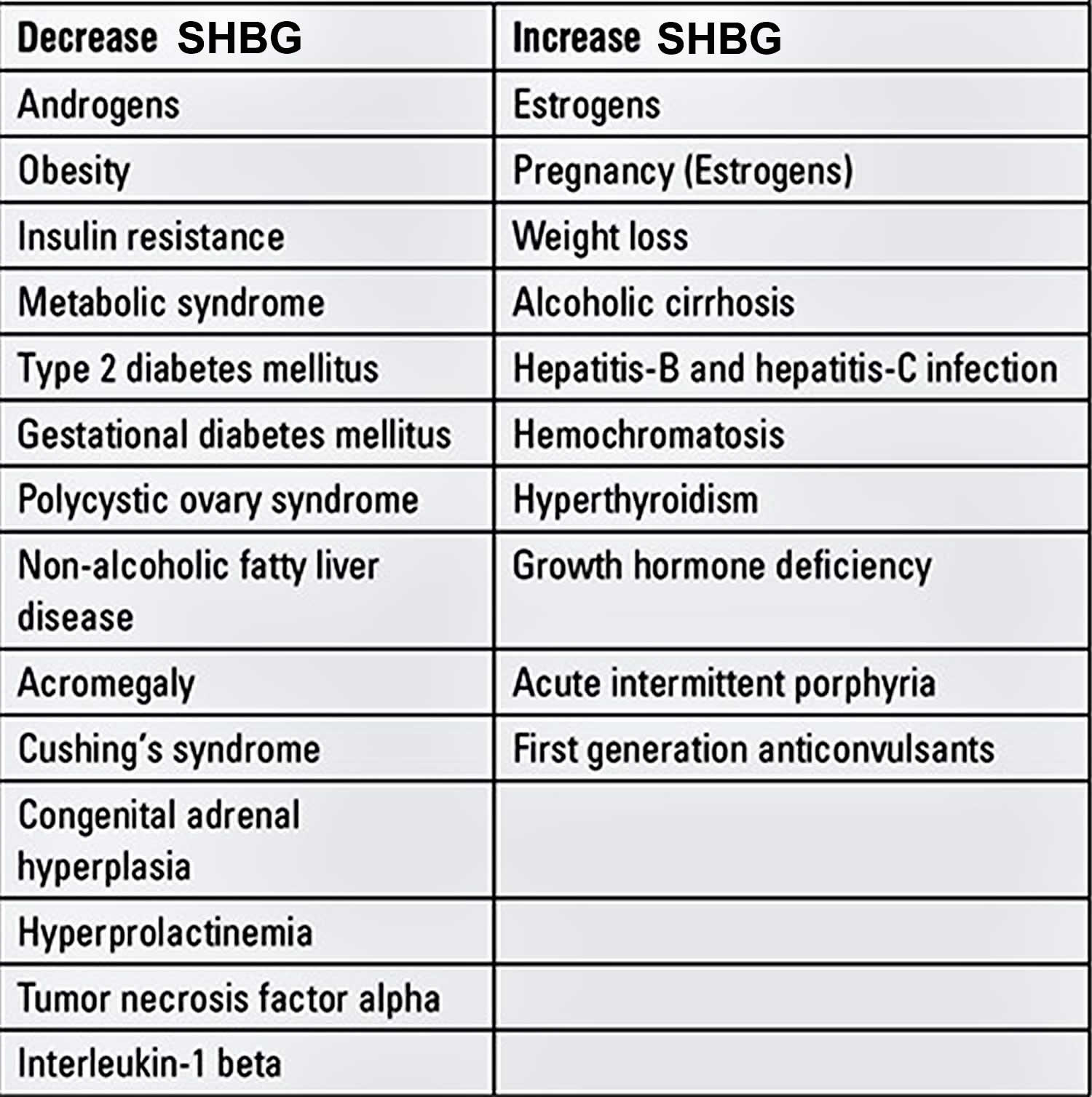
Factors Affecting SHBG Levels
Several factors can affect SHBG levels:
- Age and Gender: Men usually have lower SHBG levels compared to women. As people age, SHBG levels generally increase.
- Hormonal Disturbances: Conditions like hypothyroidism or hyperthyroidism greatly affect SHBG levels.
- Lifestyle Factors: Diet, obesity, and the use of birth control pills can alter SHBG concentrations.
- Medical Conditions: Disorders such as polycystic ovary syndrome (PCOS) or androgen-secreting tumors may impact SHBG levels.
Measuring SHBG Levels
Doctors often measure SHBG levels through a blood test when an imbalance of sex hormones is suspected. This test helps in diagnosing conditions like hypogonadism, infertility, or PCOS. The SHBG test results provide insight into the balance of hormone levels in conjunction with other tests, such as free testosterone levels.
Conclusion
Sex Hormone Binding Globulin plays an indispensable role in regulating sex hormone bioavailability and, consequently, in maintaining the body’s hormonal balance. Its levels are influenced by various physiological and lifestyle factors, making it an important marker in diagnosing hormonal disorders. Understanding the role of SHBG helps in managing conditions related to hormonal imbalances effectively.
BIG SALE | FAST SHIPPING
HOT PROMOTIONS!

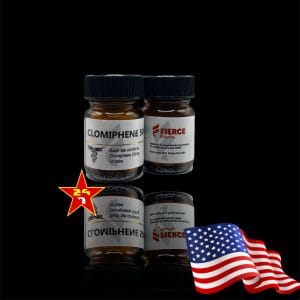
FIERCE CLOMID 50MG 50CAPS
Original price was: $ 129.00.$ 119.00Current price is: $ 119.00.
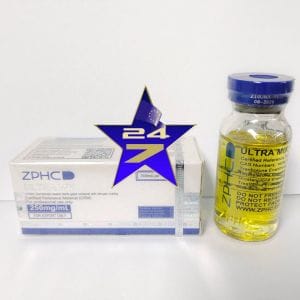
ZPHC UltraMix 1ml amps x 10 amps - 1ml = 250mg
Original price was: $ 259.00.$ 179.00Current price is: $ 179.00.
ZPHC UltraMix 10ml MultiUse Vial 1ml = 250mg
Original price was: $ 255.00.$ 179.00Current price is: $ 179.00.


CLOMID 50MG FIERCE 50 TABLETS
Original price was: $ 129.00.$ 119.00Current price is: $ 119.00.

Frequently Asked Questions about SHBG
What is the role of SHBG in the body?
SHBG is responsible for binding to sex hormones in the bloodstream, regulating their availability for the body’s use, and maintaining hormonal balance.
How do lifestyle choices affect SHBG levels?
Lifestyle factors such as diet, weight, and the use of contraceptive pills can influence SHBG levels. For example, obesity tends to lower SHBG levels, while certain dietary choices may increase them.
Can SHBG levels indicate health problems?
Yes, abnormal SHBG levels can point to underlying health issues such as thyroid disorders, hormonal imbalances, or liver dysfunction. It is often measured when investigating these conditions.
For further reading, you might find these external resources helpful: Hormone Health Network and Endocrine Society.
Sex hormone-binding globulin (SHBG) is a glycoprotein produced primarily in the liver, playing a pivotal role in the regulation of sex hormones in the body. It binds to sex hormones, mainly testosterone and estrogen, and to a lesser extent, dihydrotestosterone (DHT). By controlling the levels of free and biologically active hormones, SHBG significantly influences various physiological processes, including reproductive health, metabolism, and the development and maintenance of secondary sexual characteristics. The levels of SHBG can be influenced by age, sex, liver function, and certain medical conditions, such as polycystic ovary syndrome (PCOS), hypothyroidism, and obesity. Alterations in SHBG levels can therefore be indicative of underlying health issues, making it a valuable marker in clinical assessments related to hormone-related disorders. Additionally, factors such as insulin levels, body mass index, and the presence of certain medications can affect SHBG concentrations, impacting overall hormone balance and necessitating a nuanced understanding of its role in endocrinology.