What Are Kettlebell Deadlifts and What Benefits Do They Offer?

A deadlift kettlebell exercise involves lifting a kettlebell from the ground to a standing position, enhancing overall strength and targeting muscles like the lower back, glutes, and hamstrings. Unlike traditional deadlifts that use a barbell, kettlebells offer more accessibility and ergonomic benefits for beginners. This exercise boosts core stability and grip strength while being easily adjustable for various fitness levels.
How to Perfect Your Deadlift Form: Key Techniques and Tips

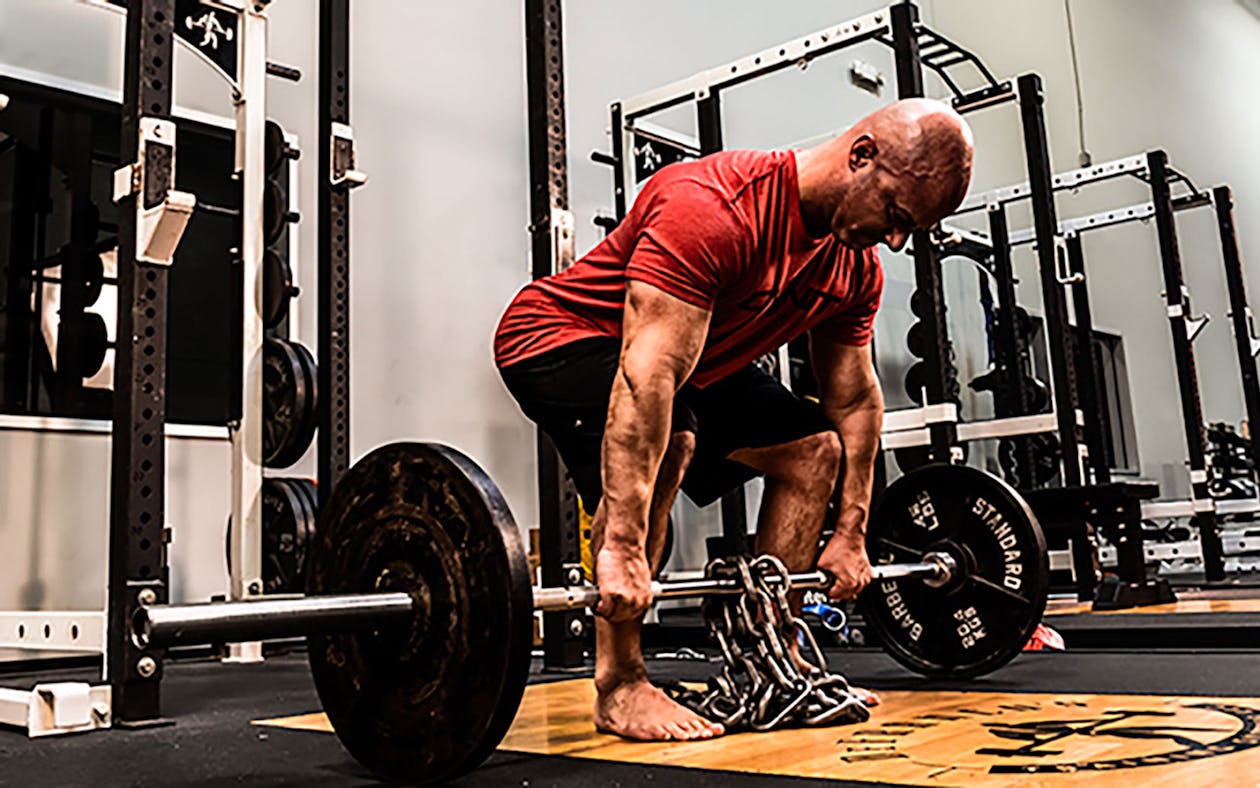
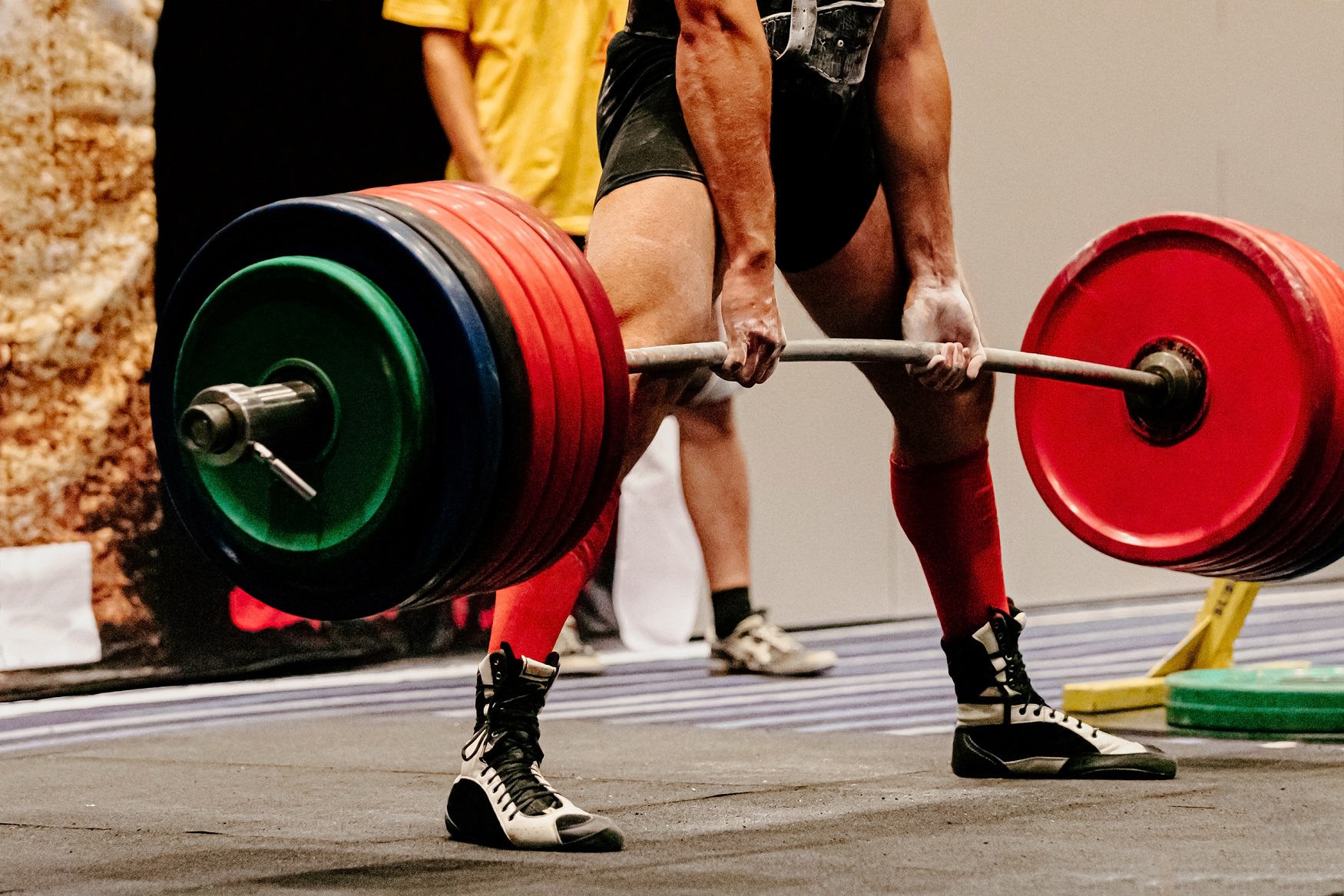
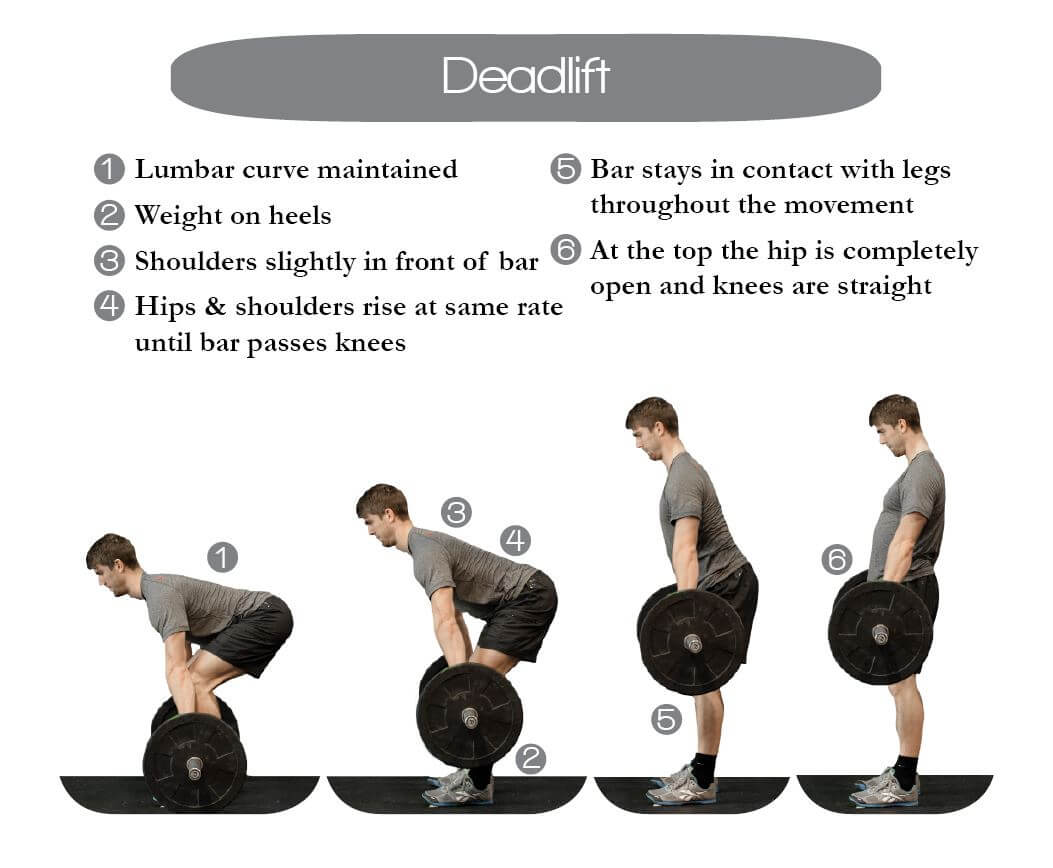
To ensure correct form in deadlifting, start with feet hip-width apart and the barbell over the middle of your feet. Use a double overhand or mixed grip with hands just outside your knees. Keep your back neutral, drive through your heels, engage core muscles, and align hips, knees, and shoulders.

What Muscles Are Engaged During a Deadlift?

Deadlifts are a compound exercise targeting multiple muscle groups, emphasizing the glutes, hamstrings, quadriceps, lower back, and core. They also engage the upper back, traps, and grip muscles. Variations like sumo and Romanian deadlifts target specific areas, offering unique benefits. Proper form is essential, starting with feet shoulder-width apart, a tight grip, and maintaining a straight back to maximize muscle engagement and reduce injury risk. Deadlifts boost core strength, improve posture, and contribute to functional strength and overall fitness. Performing them 1-2 times weekly with proper recovery is effective.

What Are the Benefits of Deadlifting with Dumbbells?

Dumbbell deadlifts are a compound exercise targeting the lower body and core, using dumbbells instead of a barbell. This variation allows for more movement flexibility and adaptation to different skill levels. By holding a dumbbell in each hand, you can perform the exercise with a wider motion range, boosting strength, balance, and coordination.

Mastering the Basics: What is the Proper Deadlift Form?

The deadlift is a fundamental strength-training exercise that targets multiple muscle groups. Proper form is crucial to maximize effectiveness and minimize injury risk. Begin with feet hip-width apart, barbell over mid-foot, and back straight. Use the right grip, maintain a straight spine, and avoid common mistakes, such as a rounded back.

What Are Atlas Stones and How Are They Used in Strongman Competitions?

Atlas stones are large, spherical stones used in strongman competitions, often weighing from 100 to over 400 pounds. They help develop grip strength, core stability, and power. Major muscles engaged include legs, back, arms, and core. Beginners can train with these stones by starting with lighter weights, focusing on technique, and seeking guidance to ensure safety.

What is the Farmer’s Walk and How Does It Benefit Strength Training?

The farmer’s walk is a functional strength exercise involving carrying heavy weights in each hand over a set distance. It targets forearms, shoulders, traps, core, glutes, and legs, enhancing grip strength and balance. Beginners should start with lighter weights. Frequently performing it can enhance muscular endurance and posture.

Can Weight Lifting Stunt Growth in Adolescents? Debunking the Myths

The belief that weight lifting can stunt growth is a widely circulated myth. Many worry that weight lifting might affect the height and growth of young athletes due to potential damage to growth plates. However, scientific evidence does not support this. Weightlifting is safe and beneficial for adolescents when practiced with proper techniques and safety measures. It enhances muscle strength and bone density without affecting growth plates. Guidance from certified trainers and a focus on technique can prevent injury and provide a robust foundation for future strength training.

Who is Anatoly the Powerlifter? A Brief Introduction

Anatoly is a renowned powerlifter celebrated in the community for his dedication and impressive feats. His training philosophy blends strength, technique, and consistency, emphasizing mental resilience alongside physical prowess. Starting as a teen, Anatoly quickly excelled, earning numerous accolades in national and international competitions.

How Often Should You Train Your Chest for Optimal Growth?

Weight training for the chest can boost muscle mass, improve strength, and enhance upper body appearance. It helps build a strong chest, improving posture and supporting daily movements. For optimal results, do chest weight training 1-2 times weekly, allowing 48 hours of rest between sessions.

Getting Started with Powerlifting: A Guide for Women

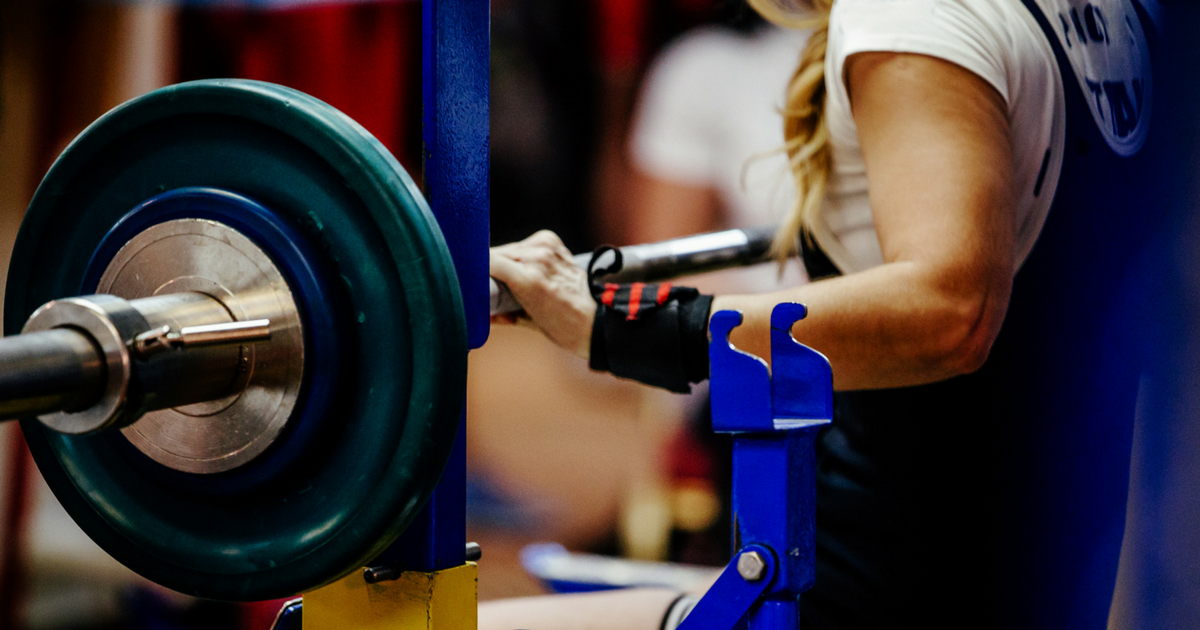
Powerlifting is a strength-based sport comprising three main lifts: squat, bench press, and deadlift. Women can safely participate and compete by focusing on proper form and gradually increasing weights. The sport offers numerous benefits such as improved strength and confidence.

Getting Started in Powerlifting: A Beginner’s Guide to Competitions in America

Powerlifting America is a dedicated organization that promotes powerlifting across the USA, offering resources and competitions for all skill levels. To join, visit their website, where members can access various benefits, including entry into competitions. They host diverse events, categorizing participants by age and weight class for fair competition. Members enjoy access to training materials and networking opportunities, while rules ensure consistent and fair competition. For those preparing, guidance on training, nutrition, and required equipment is available, along with directories to find coaches to enhance performance.

What Should I Look for in a Powerlifting Gym Near Me?

The powerlifting gym near you operates from 5:00 AM to 10:00 PM on weekdays and 7:00 AM to 8:00 PM on weekends. No experience is needed to join, as it offers beginner courses and personal trainers. The gym features squat racks, bench presses, and more. Memberships include discounts and personal training options.

What is Powerlifting and How Does It Differ from Other Strength Sports?

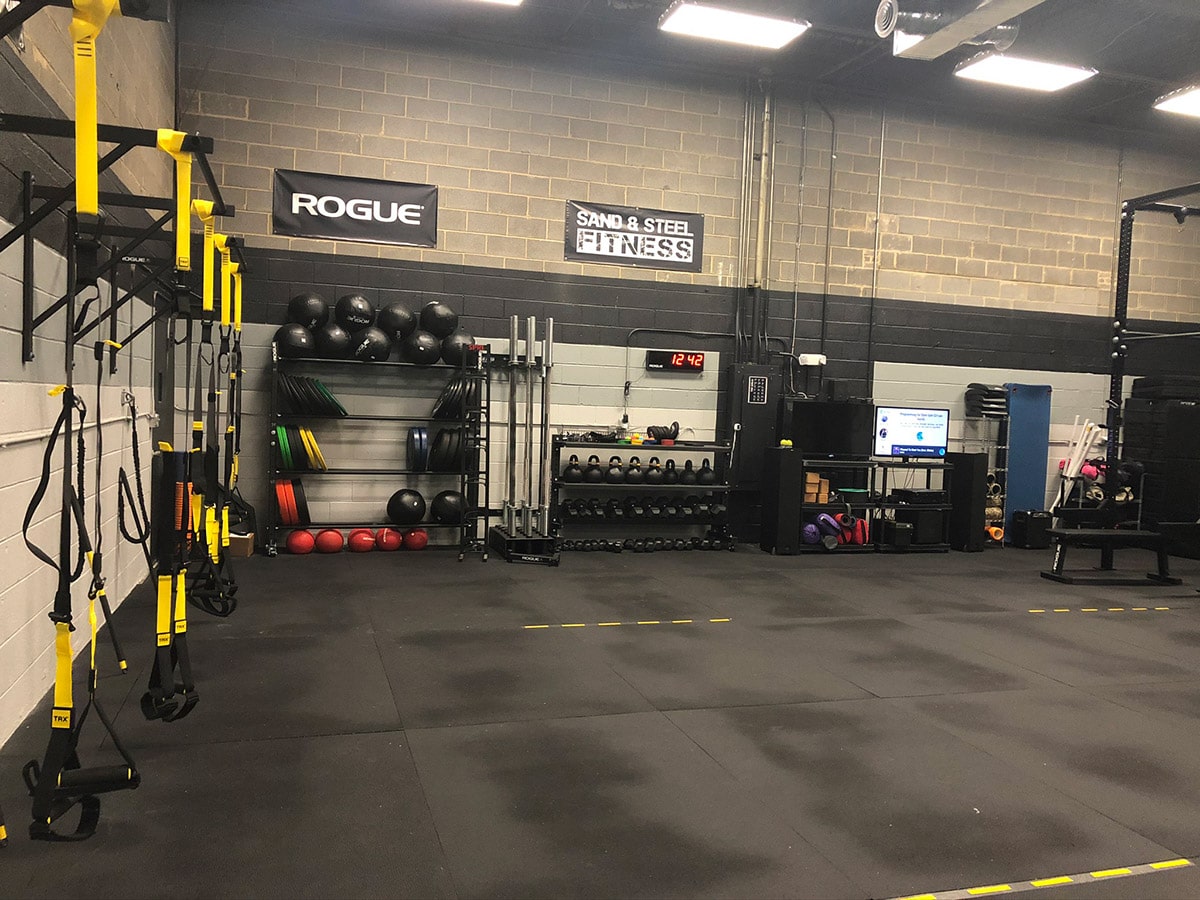
A powerlifting gym is a specialized facility for training in powerlifting, featuring equipment like barbells, squat racks, and benches. Suitable for beginners to experienced lifters, it offers programs tailored to improve strength and fitness. Safety is prioritized through proper techniques and coaching. No experience is needed to join, and personal trainers are available to guide your journey.

Beginner’s Guide to Powerlifting: Frequently Asked Questions

Strength training is a form of exercise focused on building muscle strength and endurance using resistance methods. To start, learn fundamental lifts like squats, bench press, and deadlift with proper form to prevent injury. Beginners should train 2-3 times a week and may gradually increase frequency. Essential equipment includes a barbell, weight plates, and a squat rack. Proper nutrition supports muscle growth, and consistency is crucial for progress.

Understanding Peptides: What They Are and How They Work for Muscle Growth

Peptides are short chains of amino acids crucial for muscle growth and existing in fitness circles for their muscle-enhancing potentials. They stimulate growth hormones, aiding muscle regeneration and strength. Popular types include BPC-157 and Ipamorelin, each with unique functions. Safety is key, needing professional guidance for use and dosing to avoid side effects. Results vary by type, dosage, and user’s lifestyle, with some seeing improvement in weeks.

What Are Muscle Peptides and How Do They Work?

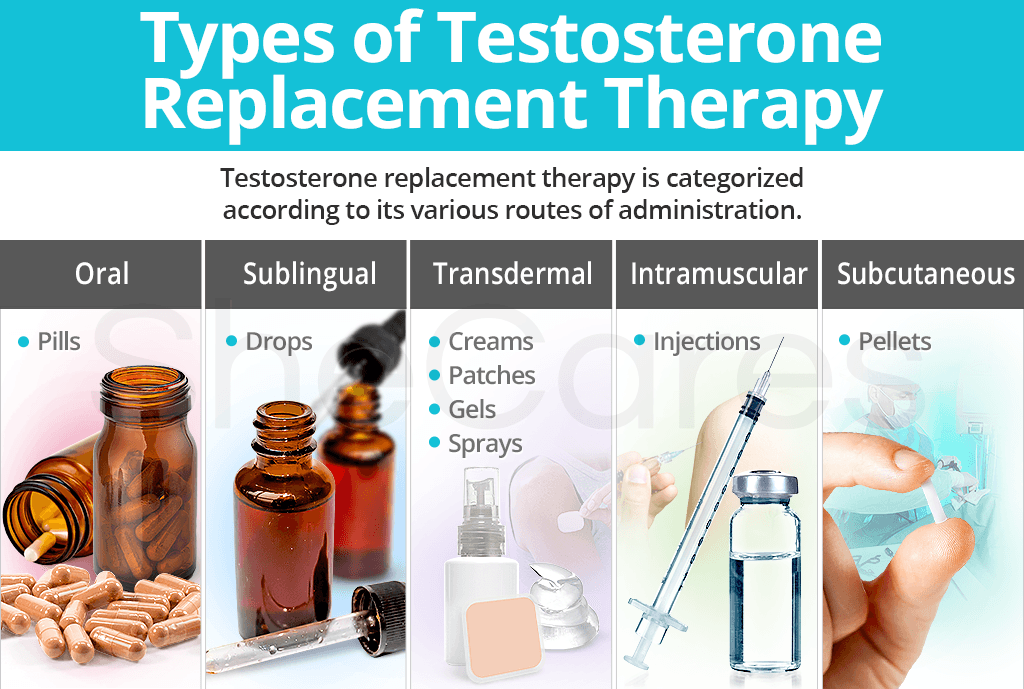
Muscle peptides are short amino acid chains that significantly aid muscle growth, repair, and recovery. Acting as signaling molecules, they bind to receptors on muscle cells, triggering processes like protein synthesis and improved recovery times. Though they offer benefits such as enhanced muscle growth and endurance, muscle peptides can vary in legality and potential side effects. Administered typically via injections, they should be used cautiously and ideally under professional guidance, particularly when combined with other supplements.

What Are the Benefits of Using a Smith Machine for Shoulder Press?

The Smith Machine Shoulder Press is a strength training exercise aimed at the shoulders, especially the deltoids. It offers stability and focus through a guided motion, making it ideal for effective muscle activation. The exercise involves adjusting the bench under the bar, gripping it wider than shoulder-width, pressing overhead, and maintaining core engagement. It primarily targets the deltoids, with the triceps and upper chest as secondary muscles. The guided path reduces stabilizing effort, benefiting those focusing on form without balancing free weights. Beginners can perform it safely with proper technique.

What is a Smith Machine Row and How Does it Work?

The Smith Machine Row is an exercise performed on a Smith machine, focusing on the upper and middle back muscles, lats, and biceps. It offers a stabilized workout compared to free-weight rowing, making it ideal for beginners who want to refine their form. The guided movement aids in maintaining consistent form, reducing injury risk, and allowing gradual weight progression. It’s beneficial for targeting muscle growth and improving posture, with recommended usage being two to three times a week to prevent overtraining. Advanced lifters can increase intensity with variations like pauses or resistance bands.

What is the Smith Machine Incline Press and How Does it Work?

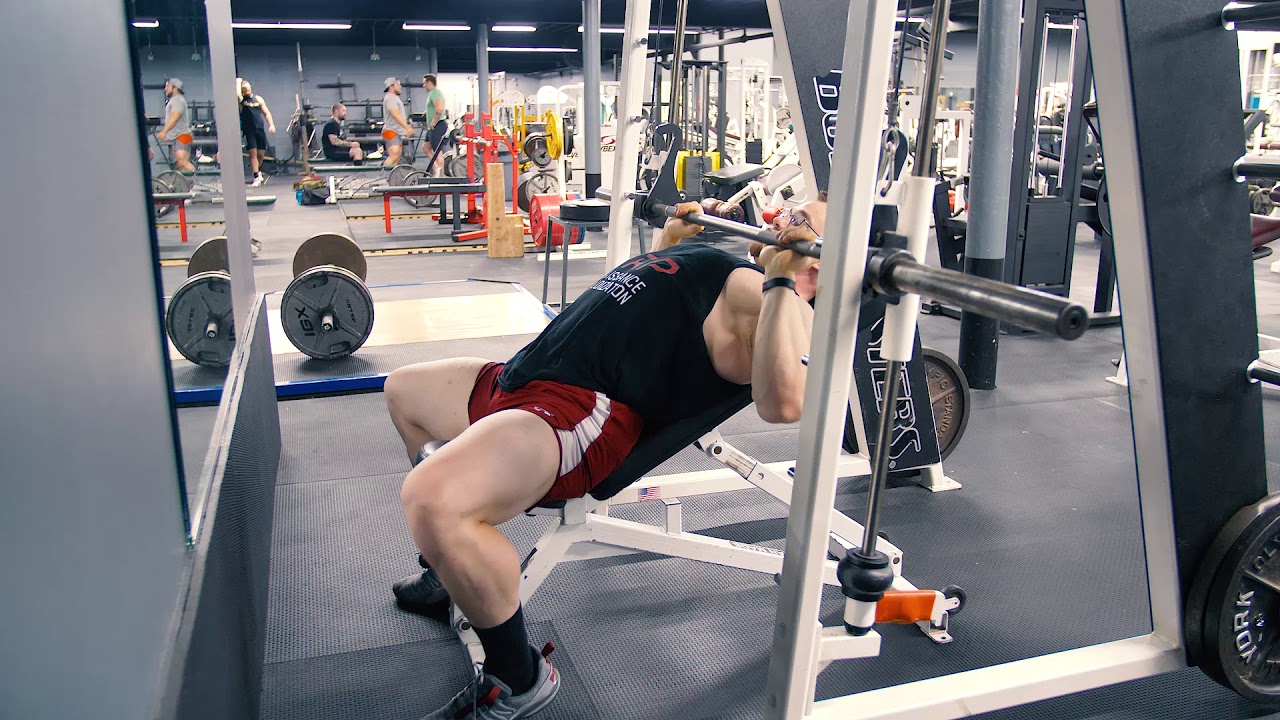
The Smith Machine Incline Press targets the upper portion of the pectoral muscles, shoulders, and triceps. It differs from a regular incline bench press by using a fixed track for stability, lowering injury risks. Benefits include increased muscle activation, improved safety, and targeted training without a spotter.

What is the Smith Machine Bent Over Row and How Does it Benefit Your Back?

The Smith Machine bent over row is a strength training exercise focusing on the muscles of the upper and middle back, like the lats, traps, and rhomboids. It uses the guided barbell of a Smith Machine, providing more stability than a free-weight barbell row, ideal for boosting back strength with strict form.

What is the ‘Leg Day’ Meme and Why is it So Popular?

The leg day meme humorously captures the effort and pain of leg workouts, resonating with many fitness enthusiasts. It emphasizes the importance of leg day for strength and injury prevention. Common exercises include squats, lunges, and deadlifts. The meme connects people through shared struggles, motivating them to improve their lower body strength.

How Often Should You Include Leg Day in Your Workout Routine?

A leg day workout routine is crucial for building overall strength and stability. It targets the largest muscle groups in the body, including the quadriceps, hamstrings, glutes, and calves. Strengthening these muscles enhances athletic performance, aids in weight management, and improves metabolism due to high caloric burn.

Cardio Before or After Lifting: Which is More Effective?

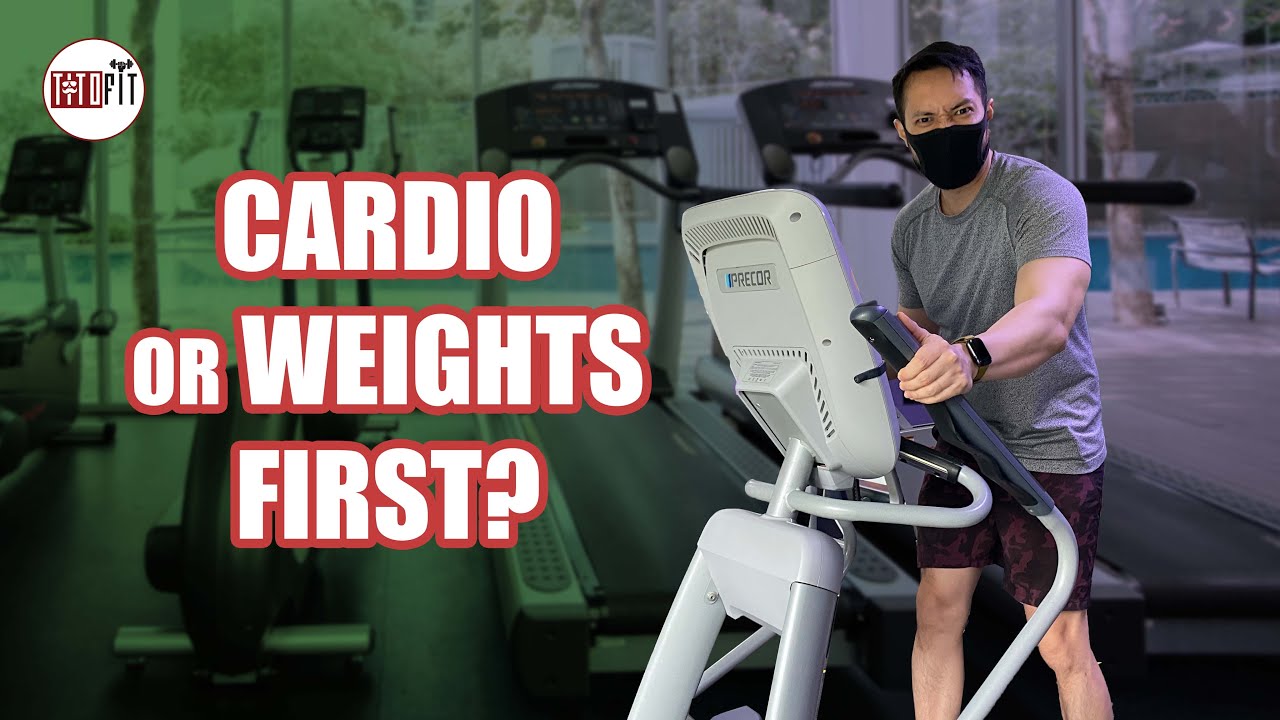
Whether to perform cardio before or after lifting depends on workout goals. Cardio first can serve as a warm-up, boosting heart rate and muscle readiness but may deplete energy for strength training. Lifting before cardio focuses on muscle building by conserving strength energy, possibly supporting better muscle gains and fat burning.

What Are Bench Over Rows and How Do They Benefit Your Workout?

A bent over row is a strength-training exercise targeting back muscles like the latissimus dorsi and traps, as well as the biceps. To perform it, bend at the hips with knees slightly bent, hold weights, and pull them towards your lower ribcage, keeping your back straight. This exercise enhances back strength, posture, and muscular endurance.

What Is the Barbell Bent Over Row and How Do You Perform It Correctly?

The barbell bent over row is a compound exercise that targets the back muscles, including the lats, rhomboids, and traps, as well as the biceps, shoulders, and core. To perform it correctly, use an overhand grip, slightly bend your knees, and hinge at your hips. Pull the barbell towards your rib cage, squeezing your shoulder blades at the top.

What are Cable Rows and How Do They Benefit Your Workout Routine?

Cable rows are a strength training exercise focused on the back muscles, engaging the latissimus dorsi, rhomboids, and trapezius. This versatile exercise enhances upper body strength and posture, crucial for activities like deadlifts. Beginners can start with lighter weights to ensure proper form. Variations include single-arm, standing, and wide-grip rows, offering different muscle engagements and keeping workouts diverse. Cable rows provide consistent tension and effective muscle growth compared to free weight exercises, with the machine allowing more range of motion and lower back safety.

What is a Bench Max Calculator and How Does It Work?

A bench max calculator is a tool designed for athletes and fitness enthusiasts to estimate their one-rep maximum (1RM) for the bench press. It uses mathematical formulas and inputs like weight and repetitions to provide an estimate. While helpful in setting realistic workout goals, it’s important to remember these calculators aren’t 100% accurate due to variables like physiology and fatigue. They’re useful not just for strength training, but also for muscle building and endurance. Regularly updating your bench max, about every 4 to 6 weeks, ensures your training is aligned with your strength progress.

What Are the Benefits of Cable Chest Workouts Compared to Free Weights?

The cables chest workout is a resistance training exercise utilizing a cable machine to target chest muscles. Incorporating cables offers benefits such as continuous tension, a greater range of motion, and exercise versatility. Common exercises include cable flyes and presses. Cables can help with muscle imbalances and provide a safer alternative to free weights.

What Are Barbell Curls and How Do They Benefit Your Arms?

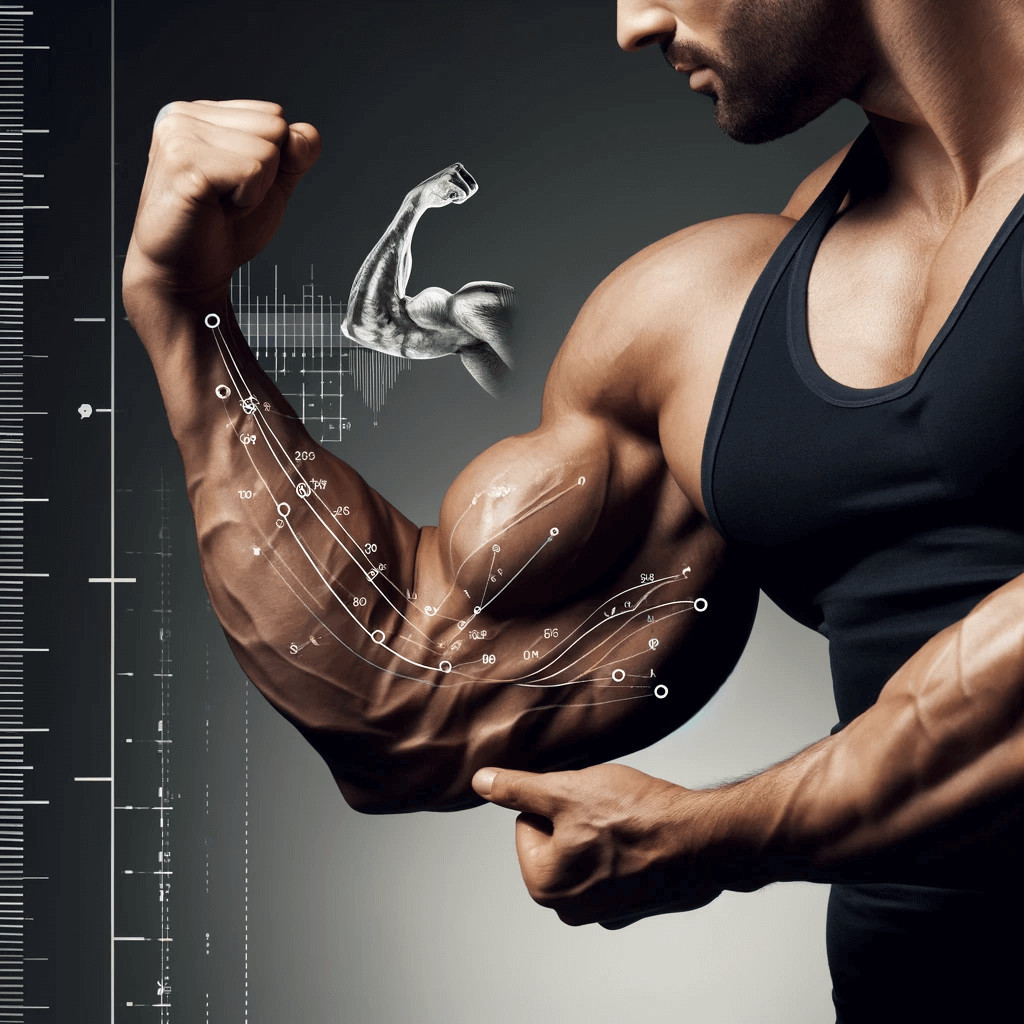
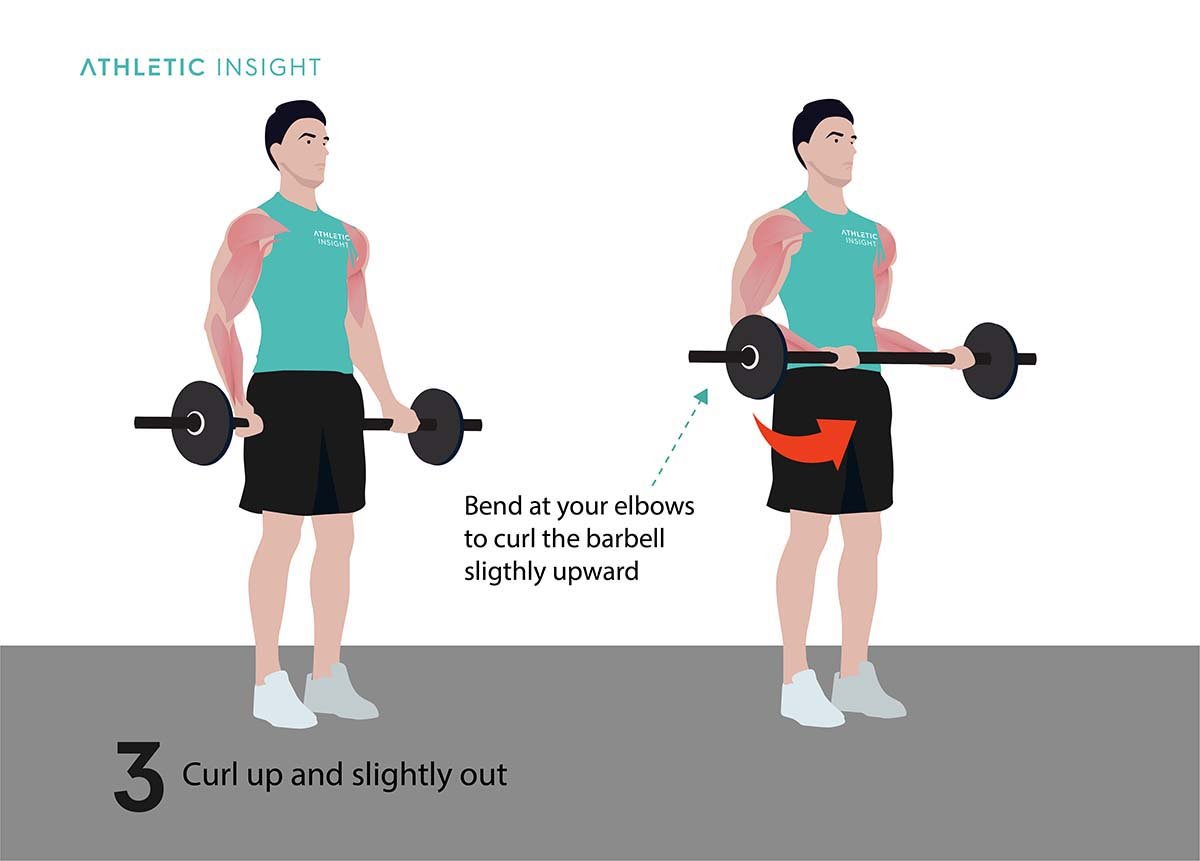
Barbell curls are a core exercise for building and strengthening biceps, involving lifting a weighted barbell from thighs to shoulders. They enhance muscle size and strength, improve grip, and contribute to arm definition. To perform, stand with feet shoulder-width apart, elbows close, and back straight, curling upwards with controlled motion. Beginners should start with lighter weights, gradually increasing as strength develops, focusing on 3-4 sets of 8-12 reps for hypertrophy. Variations like preacher or reverse curls can further enhance effectiveness. Safety entails warming up, maintaining good posture, and possibly consulting a trainer.

Left Menu Icon
Your Cart