How to Perform Cable Chest Fly: A Step-by-Step Guide

A cable chest fly exercise uses a cable machine to target pectoral muscles, enhancing chest flexibility, strength, and definition. By pulling weights from both sides and drawing arms together, the movement mimics a fly’s, ensuring comprehensive workout engagement. Proper setup involves adjusting pulleys, standing shoulder-width apart, and maintaining form.
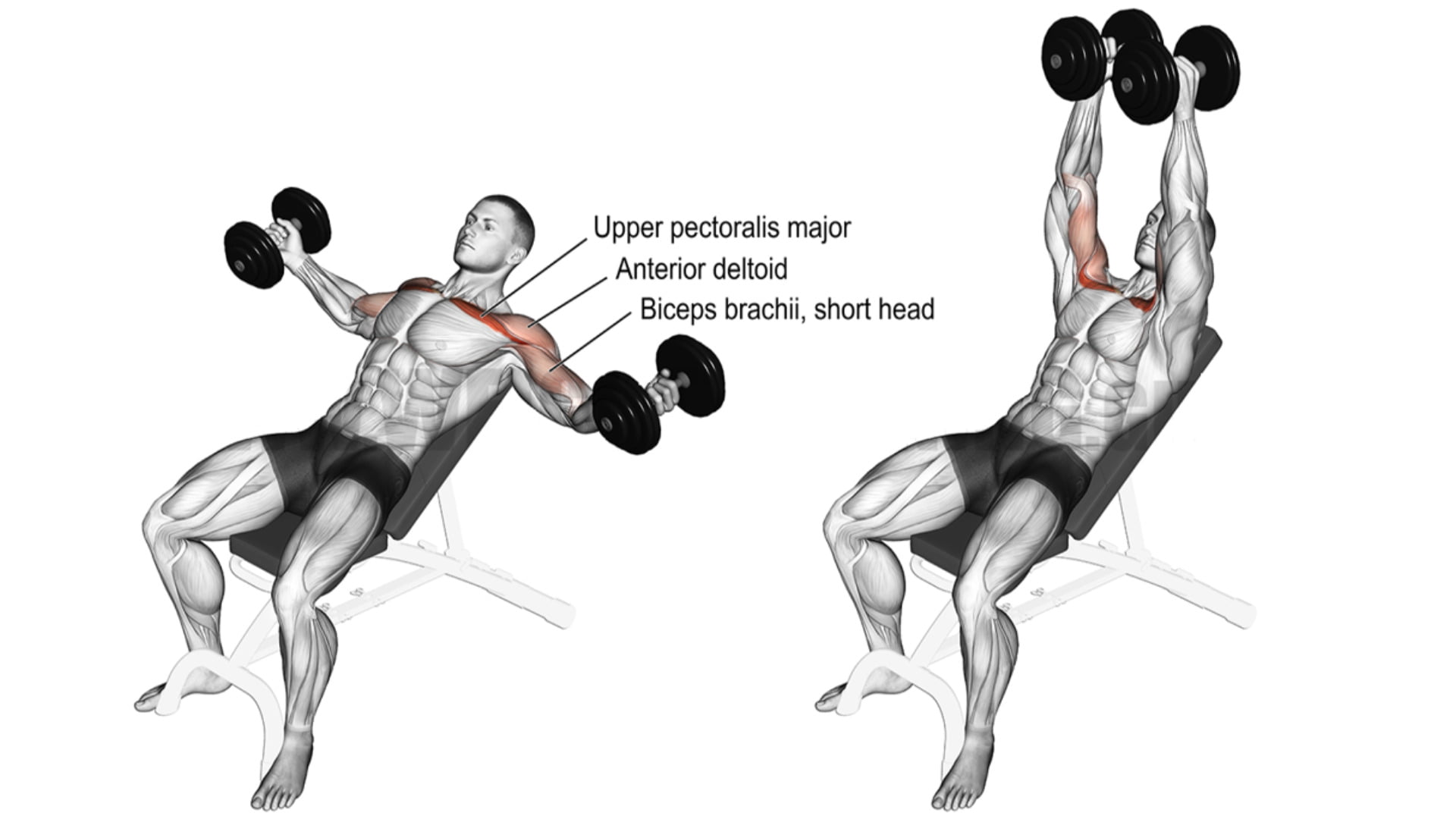
What Are Dumbbell Chest Flys and How Do They Benefit My Workout?

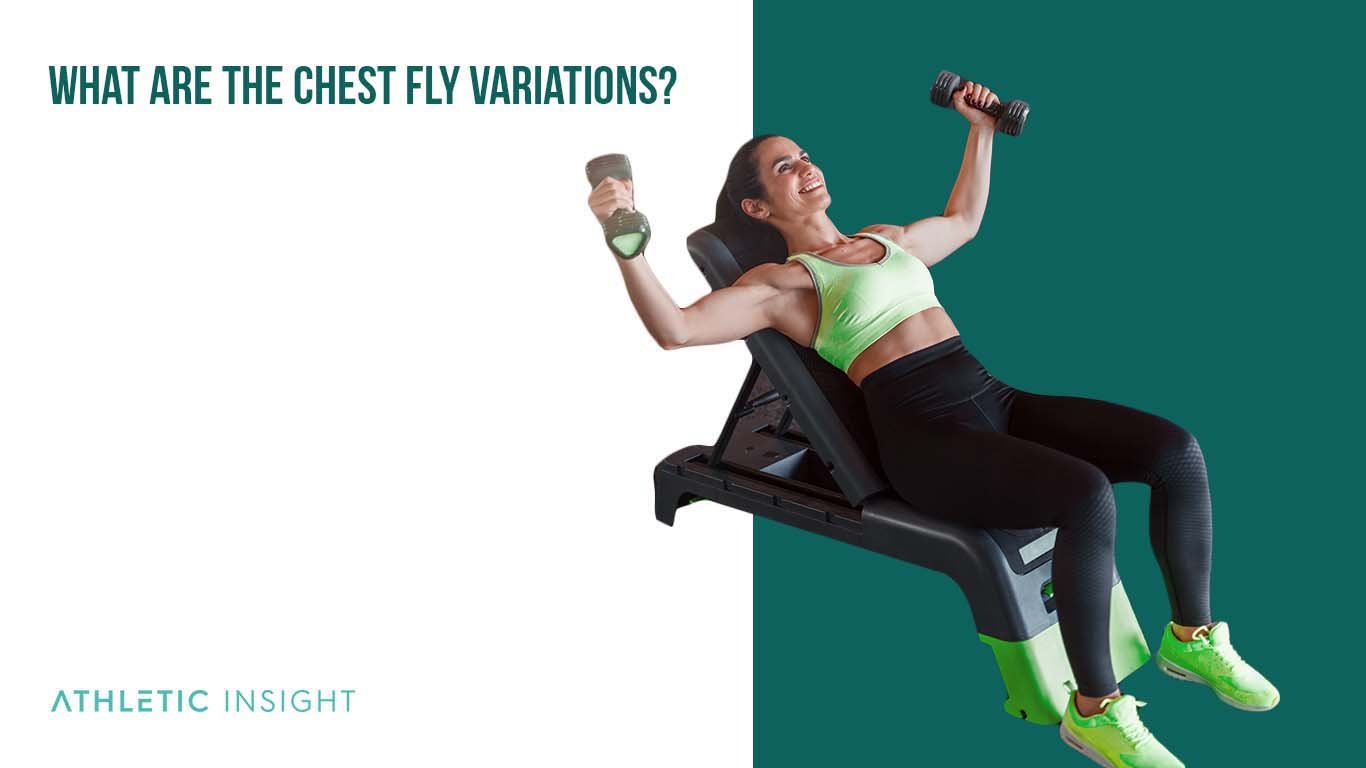
Dumbbell chest flys are a targeted exercise aimed at the pectoral muscles. They involve moving the arms in an arc to enhance chest strength and muscle definition. To perform them, lie on a bench with dumbbells, lower weights slowly to the sides, then bring them back by squeezing your chest.

What Is the Dumbbell Chest Fly Exercise and What Muscles Does It Target?

The chest fly exercise is a popular strength training movement that targets the pectoral muscles. By using dumbbells, exercisers can isolate their chest muscles effectively, enhancing muscle definition. To perform this exercise, lie back on a flat bench with a dumbbell in each hand, extend arms straight above the chest, then lower them out to the sides.

What Are the Key Benefits of Barbell Squats?

A barbell squat is a strength training exercise targeting multiple muscle groups, mainly the quadriceps, glutes, hamstrings, and core. It involves holding a barbell across your upper back and squatting down by bending knees and hips. Start with a manageable weight to maintain proper form.

What Are the Key Benefits of Doing Dumbbell Squats?

A dumbbell squat is a variation of the traditional squat where a person holds a dumbbell in each hand while performing the movement. This exercise targets multiple muscle groups, including quads, hamstrings, glutes, and the core, making it an excellent choice for building strength, stability, and muscle mass. To execute a dumbbell squat properly, stand with your feet shoulder-width apart, holding a dumbbell in each hand at your sides. Lower your body by bending your knees and pushing your hips back as if you are sitting back into a chair. Keep your chest up and your back straight.

What is the Arnold Press and How Does it Differ From a Traditional Shoulder Press?

The Arnold Press is a shoulder exercise named after Arnold Schwarzenegger, designed to target the entire shoulder region with a twisting motion combined with a standard overhead press. It engages front, side, and rear deltoids, enhancing shoulder strength, muscle mass, and flexibility. Suitable for various fitness levels, it’s important to maintain control and proper form to avoid injury. Beginners should start light and gradually increase weight as strength improves. Arnold Presses can be part of a well-rounded shoulder routine 1-3 times a week, contributing significantly to athletic performance and bodybuilding goals.

What Are Chest Flys and How Do They Benefit Your Workout?

Chest flys are a strength training exercise focused on the chest muscles, involving an arc-like motion with a slight elbow bend. They differ from bench presses in isolating the pectorals more and can be performed with dumbbells or cables. Proper form is crucial to prevent shoulder injury, and beginners should start with lighter weights.

What is a Bicep Curl Stand and How Does it Work?

A bicep curl stand, also known as a preacher curl bench, is specialized gym equipment designed to isolate the biceps during weight training. It provides cushioned support, reducing momentum and optimizing muscle activation. The stand can effectively enhance workout efficiency and prevent injuries by promoting proper form. It’s suitable for all fitness levels, offering a controlled environment for exercises such as preacher curls and reverse curls using various weights.

Understanding the Bent-Over Row: What Muscles Are Targeted?

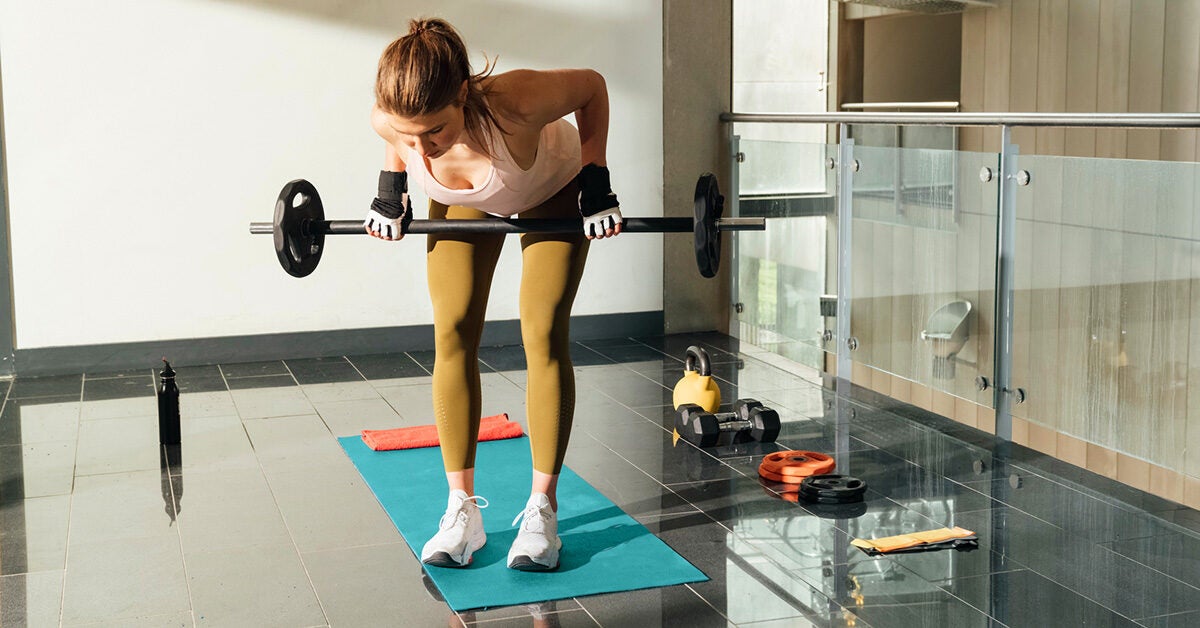
A Bent Over Row is a strength training exercise that involves bending at the hips with a slight bend in the knees. It targets muscles in the upper back like the latissimus dorsi, rhomboids, and trapezius, while also engaging the biceps, forearms, and shoulders. Proper form is essential, emphasizing a neutral spine and core stabilization.

What Are Seated Bicep Curls and How Do They Benefit Your Workout?

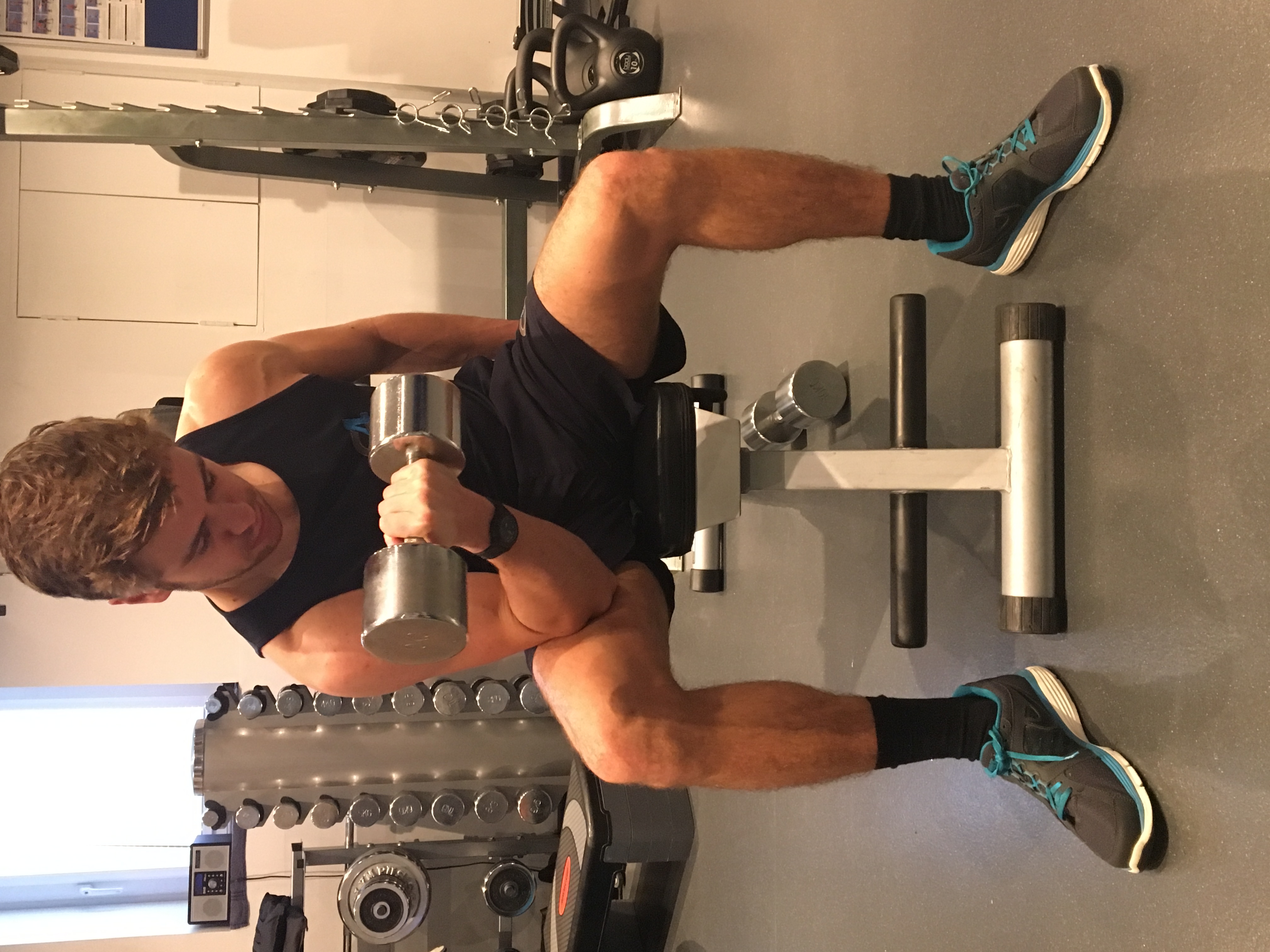
Seated bicep curls are a strength-training exercise targeting the biceps brachii. By minimizing the involvement of other muscles, seated curls focus the effort on the biceps, aiding muscle growth. Beginners can include seated curls in their workouts, starting with a manageable weight to ensure form. Benefits include bicep isolation, reduced risk of using other muscles, and improved arm strength. Typically done 2-3 times weekly, seated curls fit well in arm sessions after compound exercises. Variations include hammer curls and incline curls.

Barbell Bicep Curl: The Ultimate Guide for Beginners

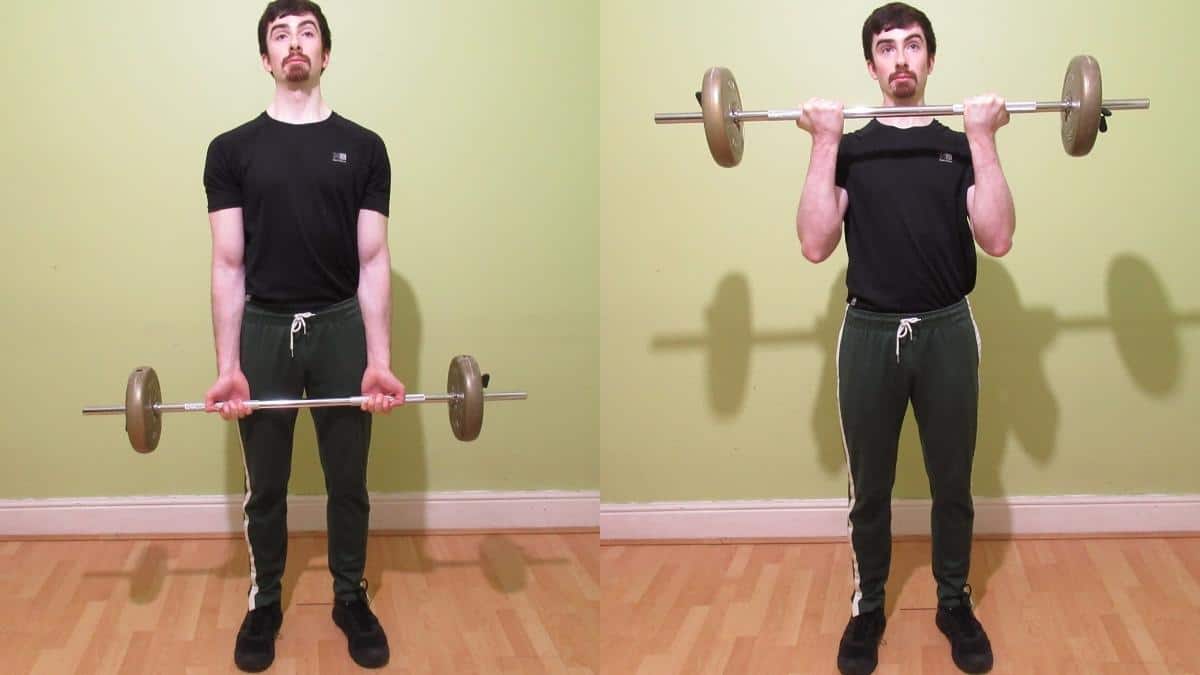
The bicep curl with barbell is a fundamental strength exercise focused on building the biceps, located at the front of your upper arms. It involves lifting a weighted barbell with a specific form. Stand with feet shoulder-width, hold a barbell with an underhand grip, keep elbows close, and back straight. Gradually curl upwards and lower it back, maintaining control.

How to Perform a Bicep Curl with Dumbbells: A Step-by-Step Guide

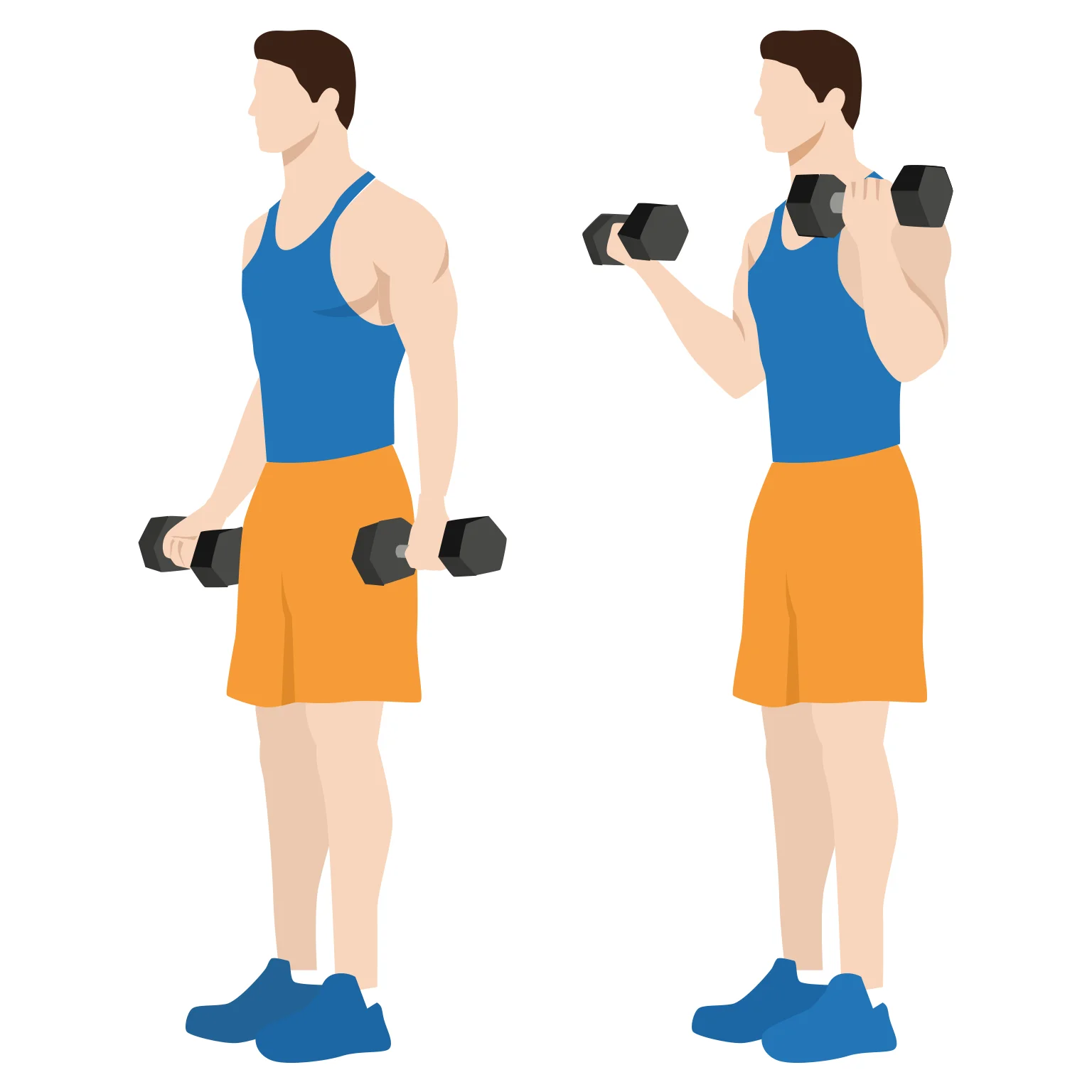
Bicep curl exercises with dumbbells focus on strengthening the biceps, located at the front of the upper arm. Performing them correctly involves standing with feet shoulder-width apart, holding a dumbbell in each hand, and curling them towards the shoulders. This exercise boosts muscle strength and definition, beneficial for beginners and bodybuilding.

What Muscles Does the Cable Bicep Curl Target?

To perform a bicep curl using the cable machine, start by adjusting the pulley to the lowest setting. Attach a bar to the cable. Stand facing the machine, feet shoulder-width apart, holding the handle with an underhand grip. Curl the bar towards your chest, pause briefly, then lower it back down, maintaining good posture throughout.

What are the Benefits of the Dumbbell Shoulder Press?

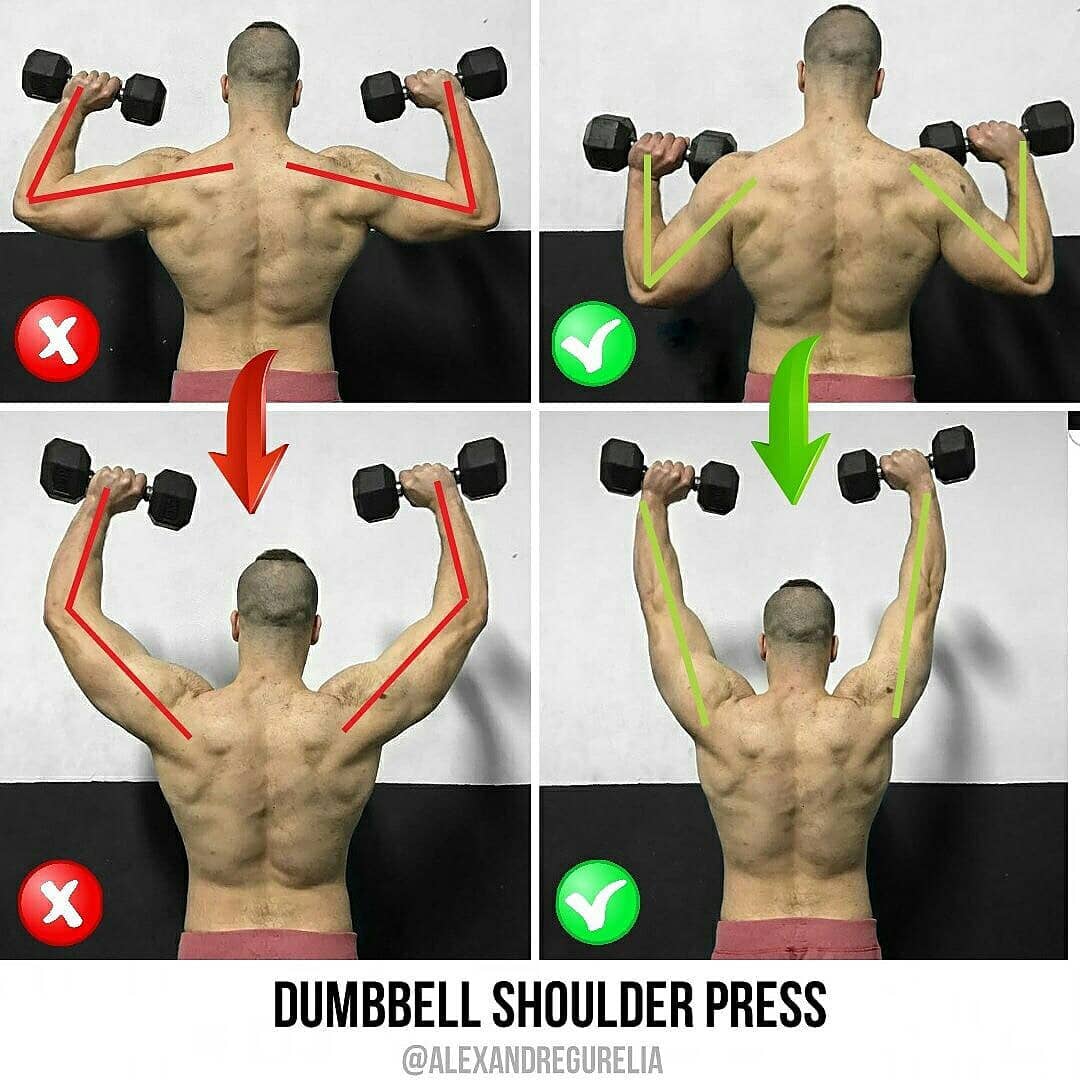
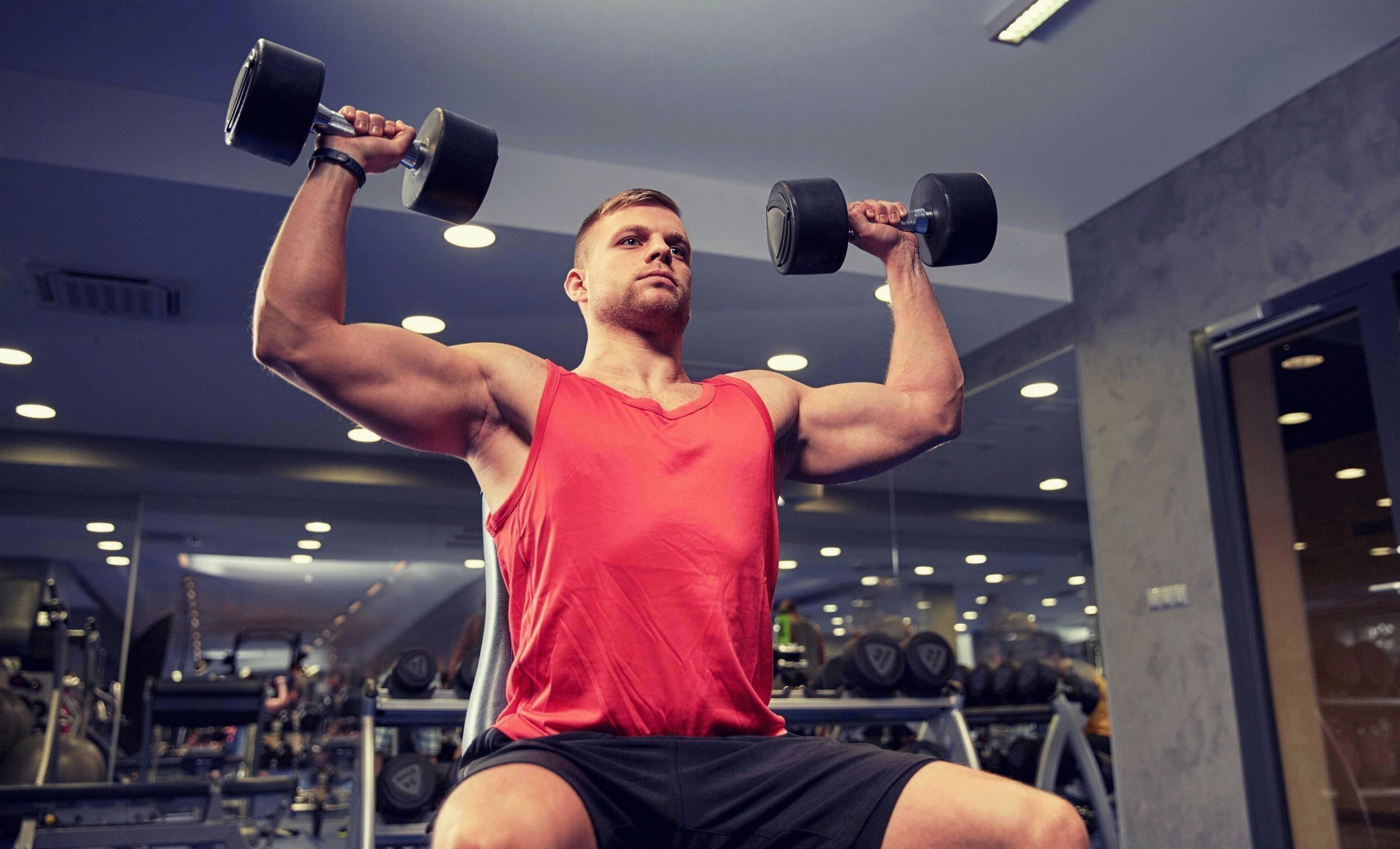
The dumbbell shoulder press, also known as shoulder press db, targets the deltoid muscles in the shoulders. To perform it correctly, select suitable weights, stand or sit with feet shoulder-width apart, and lift the dumbbells to shoulder height. Engaging the core and keeping the back straight is crucial. Avoid common mistakes like excessive weight, which leads to poor form. Incorporate this exercise to enhance muscle mass and strength, improving upper body stability and functional strength. Beginners should start light, gradually increasing weight as they master the form.

What is the Arnold Shoulder Press and How is it Different from a Regular Shoulder Press?

The Arnold Shoulder Press is a unique variation of the traditional shoulder press, specifically designed to engage the deltoids, especially the anterior and medial parts, through a twisting wrist motion. This movement provides enhanced shoulder engagement and an increased range of motion, contributing to better muscle definition. It’s a favored exercise among bodybuilders for comprehensive shoulder development, offering distinct benefits compared to standard presses. Beginners can attempt it with light weights and proper form to minimize injury risks.

What Are Hammer Curls and How Do They Differ from Regular Bicep Curls?

A bicep curl hammer is a variation of the traditional exercise targeting upper arm and forearm muscles, using a neutral grip. Hammer curls engage the brachialis and brachioradialis, enhancing arm size, strength, and grip while minimizing imbalances. They’re suitable for beginners and can be done at home.

Shoulder Press 101: Everything You Need to Know About This Essential Exercise

The shoulder press is a strength training exercise targeting the deltoid muscles, also engaging triceps and upper chest. It can be performed using equipment like dumbbells or a machine, either seated or standing. Benefits include enhanced shoulder strength, posture, and functional fitness. Proper form is critical to avoid injury.

What is a Bench Press Table and How is it Used?

A bench press table is a crucial gym equipment designed to provide a stable surface for bench press exercises, ensuring safety and proper form. Unlike regular benches, it includes features for supporting heavy lifting. Consider weight capacity, adjustability, and stability when choosing one. Beginners can use it, focusing on form with lighter weights. Regular maintenance is essential, and it allows for various exercises beyond bench pressing. Prioritizing safety and form over weight helps maximize workout effectiveness.

What Is the Optimal Incline Angle for Bench Press?

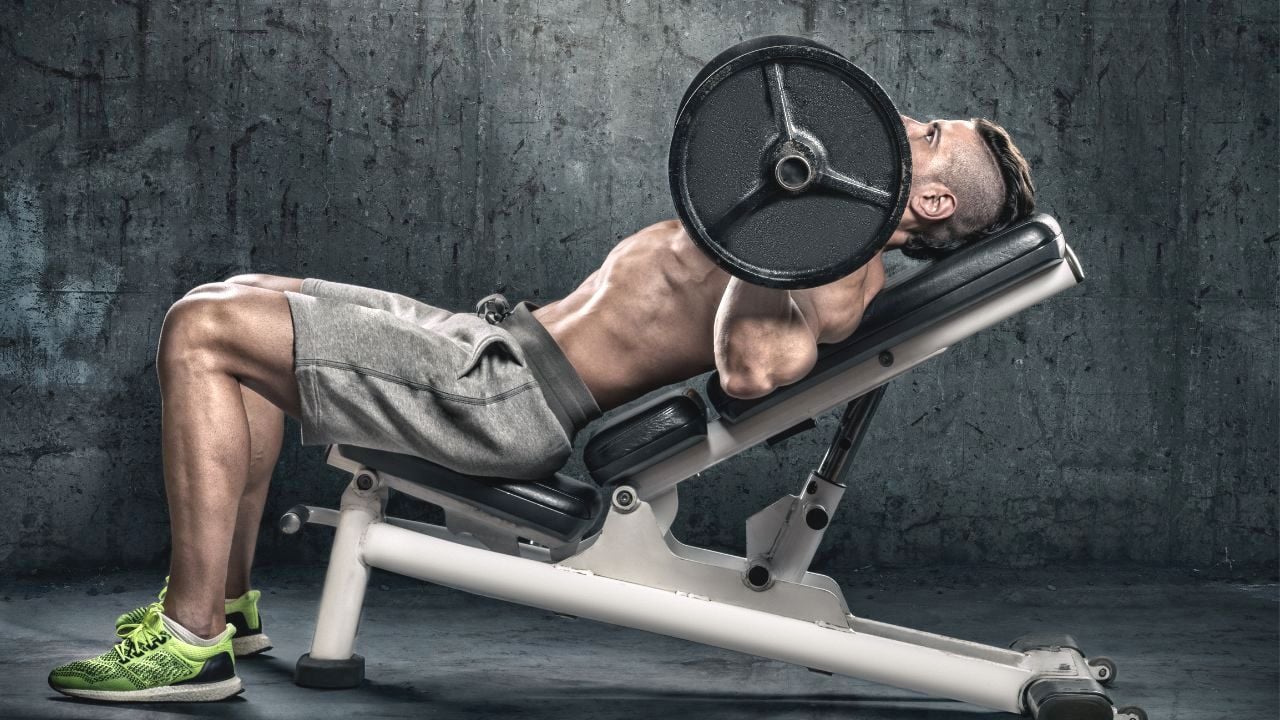
The incline angle of a bench press, typically ranging from 15 to 45 degrees, can influence which parts of the chest and shoulders are targeted during a workout. A 30-degree angle is popular for focusing on the upper chest without straining the shoulders. Adjusting the incline allows for varied muscle activation and strength gains, but it’s essential to choose the right angle to avoid ineffective workouts or injury, especially for beginners. Always aim for proper form and consult a fitness professional if needed.

Why Does My Shoulder Hurt During Bench Press? Common Causes and Solutions

Bench press shoulder pain occurs due to poor form, muscle imbalances, or pre-existing conditions. Prevent it by maintaining proper technique, such as keeping elbows at a 45-degree angle, and strengthening rotator cuffs. If pain persists, stop and consult a professional. Variations like dumbbell presses may help reduce strain.

What is the Current Bench Press World Record?

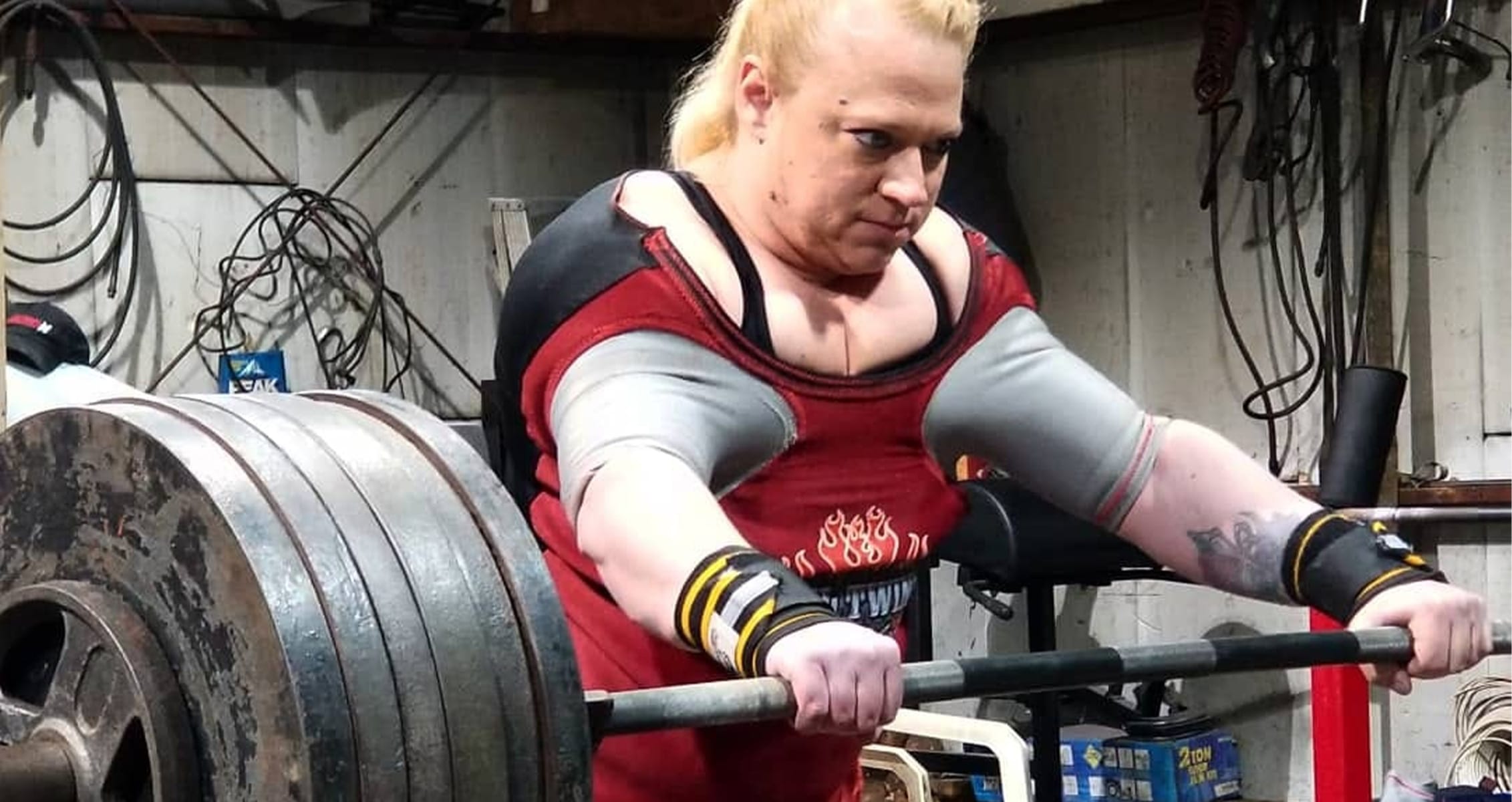
The current bench press world record is a monumental raw lift of 1,135 pounds (515 kg) by Jimmy Kolb. Equipped bench press records exceed raw lifts due to specialized gear, with Will Barotti holding the record at 1,105 pounds (501 kg). Differentiation between raw and equipped lifting is crucial in powerlifting.

What Muscles Does the Bench Press Primarily Target?

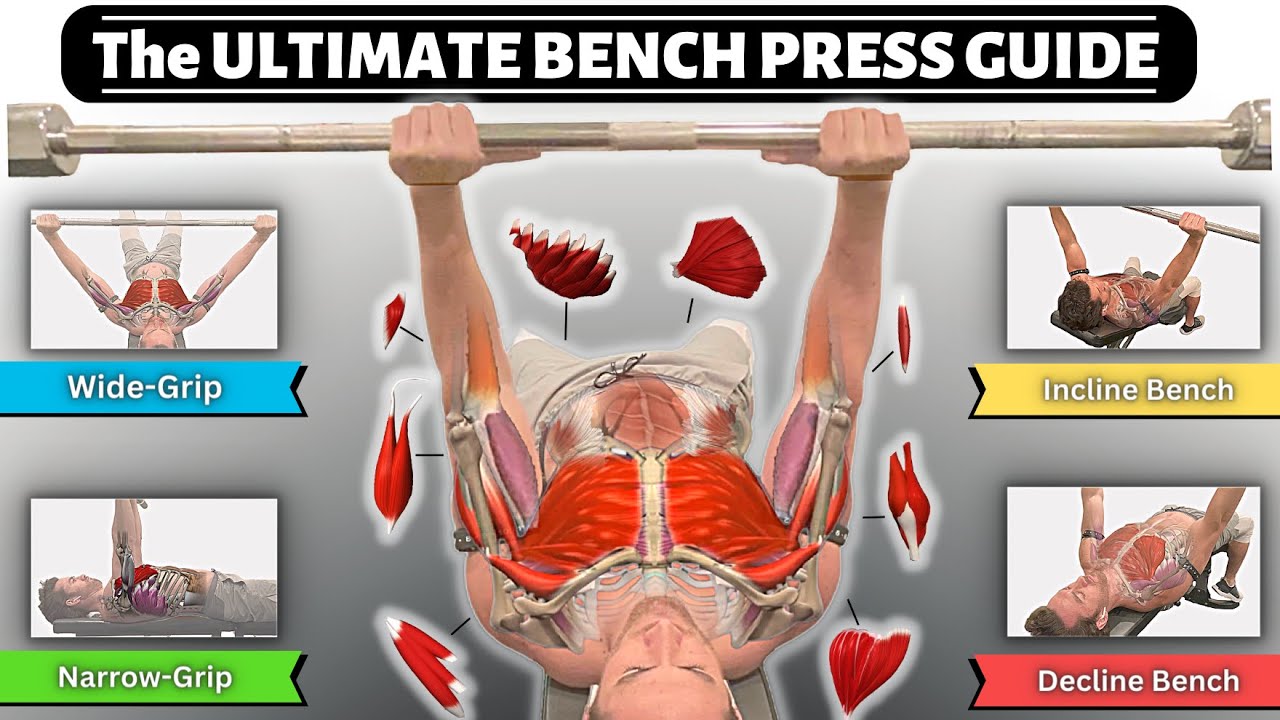
The bench press primarily targets the pectoralis major muscles, responsible for pushing movements. Besides the chest, it involves the deltoids and triceps. Proper form ensures effective muscle engagement, while varying angles or hand placement can shift focus to different muscle groups, enhancing upper body strength.

What is a Decline Bench Press and How Does it Differ from Other Variants?

The decline bench press is a powerful variation of the traditional bench press that focuses on the lower pectoral muscles, enhancing overall chest development. Unlike flat or incline presses, it shifts emphasis away from the shoulders, reducing strain and offering a safer alternative for those with shoulder issues. Proper form is crucial to maximize benefits and avoid injuries. When integrated into a routine, it helps improve chest fullness, upper body strength, and muscle definition. Beginners should start with 3 sets of 8-12 reps, gradually increasing intensity.

What Primary Muscles Are Worked During a Deadlift?

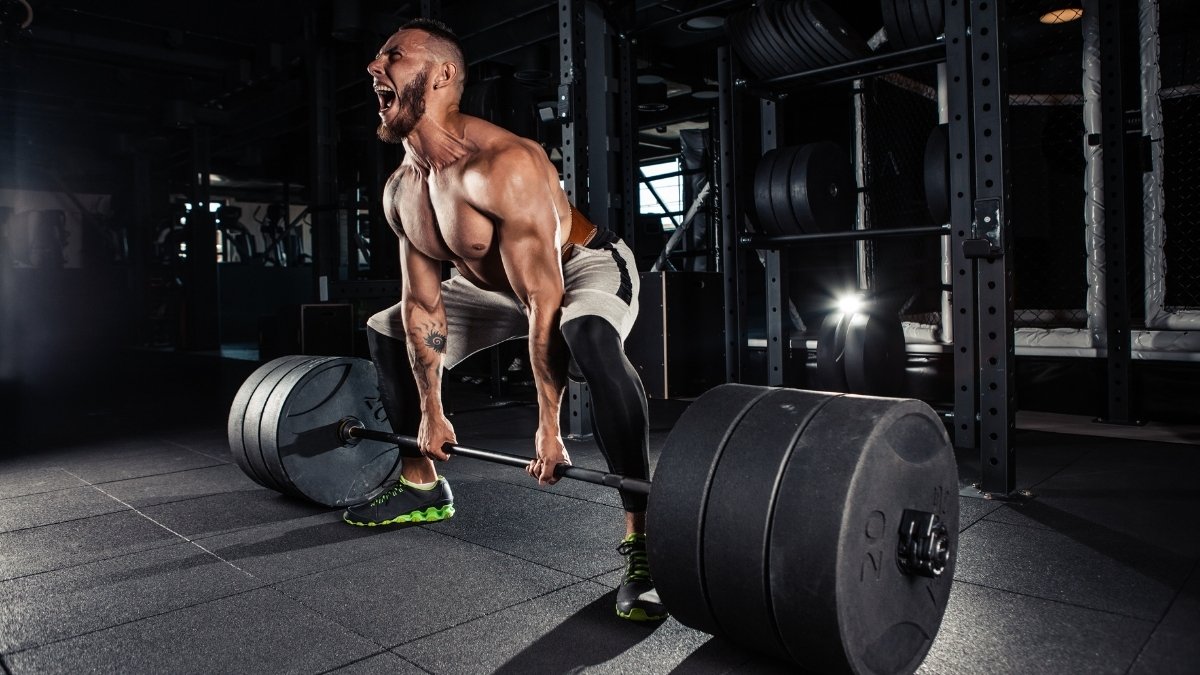
The deadlift primarily targets the posterior chain, which includes the glutes, hamstrings, and lower back. Additionally, it engages the quadriceps, core, traps, and forearms, making it a highly effective compound lift for simultaneous muscle group engagement. Deadlifts enhance lower body strength, benefiting the glutes, hamstrings, and quadriceps, which can improve athletic performance and support injury prevention.

What is the Farmer’s Walk and How Does it Benefit Your Fitness Routine?

The farmers walk exercise is a strength-training move involving carrying heavy weights in each hand while walking a set distance or duration. This exercise targets the shoulders, core, and legs, also requiring grip strength and balance. It offers benefits like improved muscle strength, endurance, and cardiovascular health, besides being a functional workout suitable for various levels, including beginners. Regular incorporation, 2-3 times a week, can significantly enhance overall athleticism and daily functional fitness.

What Are the Top Benefits of Including Deadlifts in My Workout Routine?

Deadlifts offer numerous benefits, including building strength, core stability, and improving posture by engaging multiple muscle groups like glutes, hamstrings, and lower back for comprehensive lower body development. They are effective for muscle mass growth and burning calories, enhancing functional fitness, strength, and athletic performance.

Top 5 Deadlift Alternatives: Boost Your Strength Without the Barbell

Here is a 250-character excerpt based on the article:

“There are several exercises that serve as effective alternatives to a deadlift, such as the Romanian deadlift, kettlebell swing, leg press, barbell hip thrust, and trap bar deadlift. These target similar muscle groups but may offer different benefits or reduce injury risks.”

Smith Machine Deadlift: Is It Right for Your Workout?

A deadlift on the Smith machine is a variation of the traditional deadlift performed using a barbell fixed within steel rails, allowing for vertical movement only. It’s popular for building strength, targeting muscles like the hamstrings and glutes. While beneficial for beginners, it requires less stabilization than free weights.

What is the Current Deadlift World Record and Who Holds It?

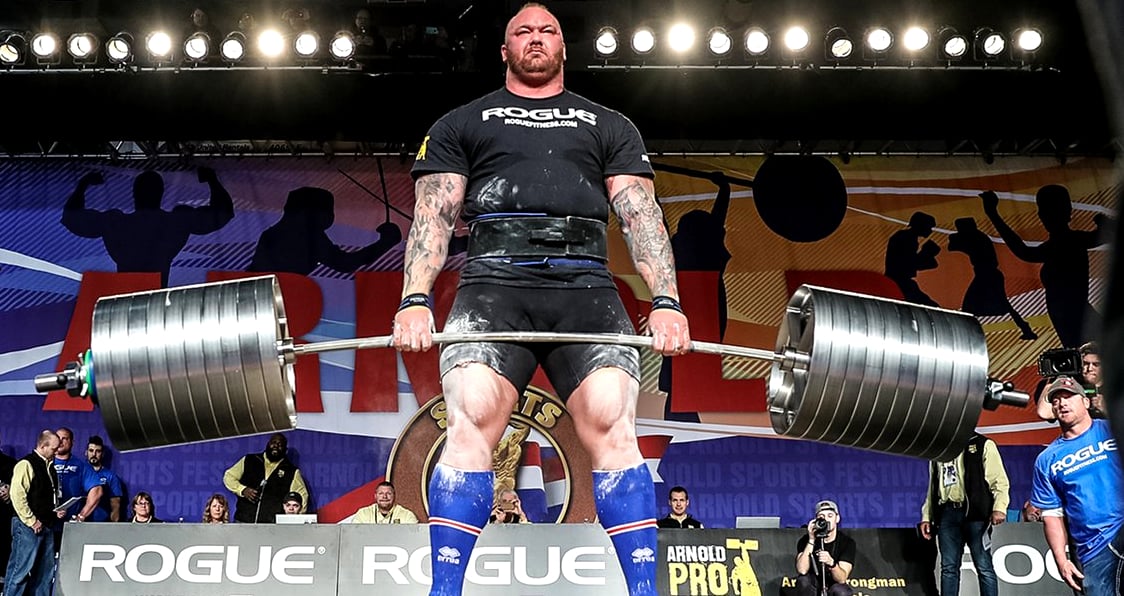
As of October 2023, Hafþór Júlíus Björnsson holds the deadlift world record with a lift of 501 kg (1,104 lbs), achieved in May 2020. The previous record of 500 kg was set by Eddie Hall in 2016. Training for such feats involves years of dedication, muscle building, and technique refinement.

Left Menu Icon
Your Cart